Optimizing Freight Operations Through Digital Integration
Friday, October 30 2026
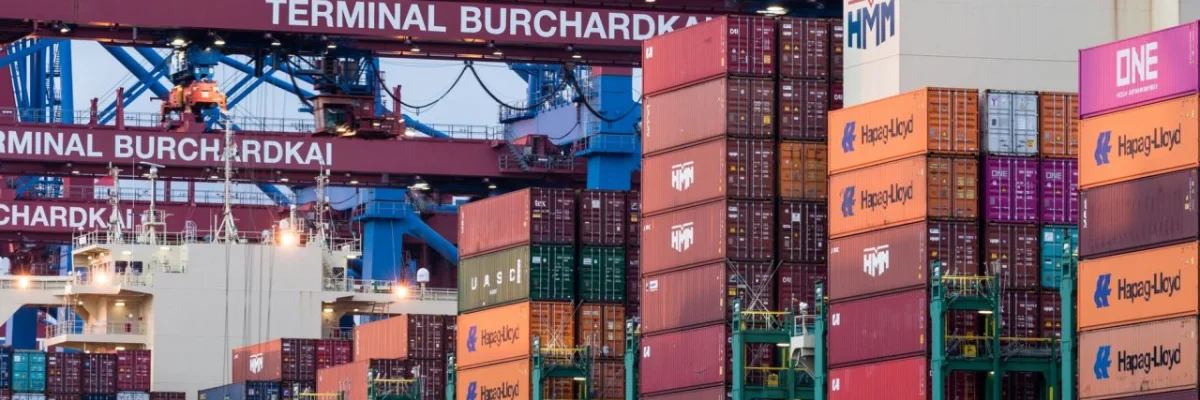
The modern logistics landscape demands unprecedented levels of connectivity and speed to remain competitive in a volatile global market. Freight forwarders often struggle with fragmented legacy systems that impede operational visibility and slow down critical decision-making processes. By adopting a cloud-based infrastructure, companies can bridge these technological gaps, fostering seamless collaboration across international borders. Digital transformation is no longer a luxury but a fundamental necessity for firms aiming to scale efficiently while reducing overhead costs. This article explores how advanced software integrations empower logistics professionals to transform complex supply chain challenges into streamlined, automated workflows that drive long-term business growth.
Unified Data Systems
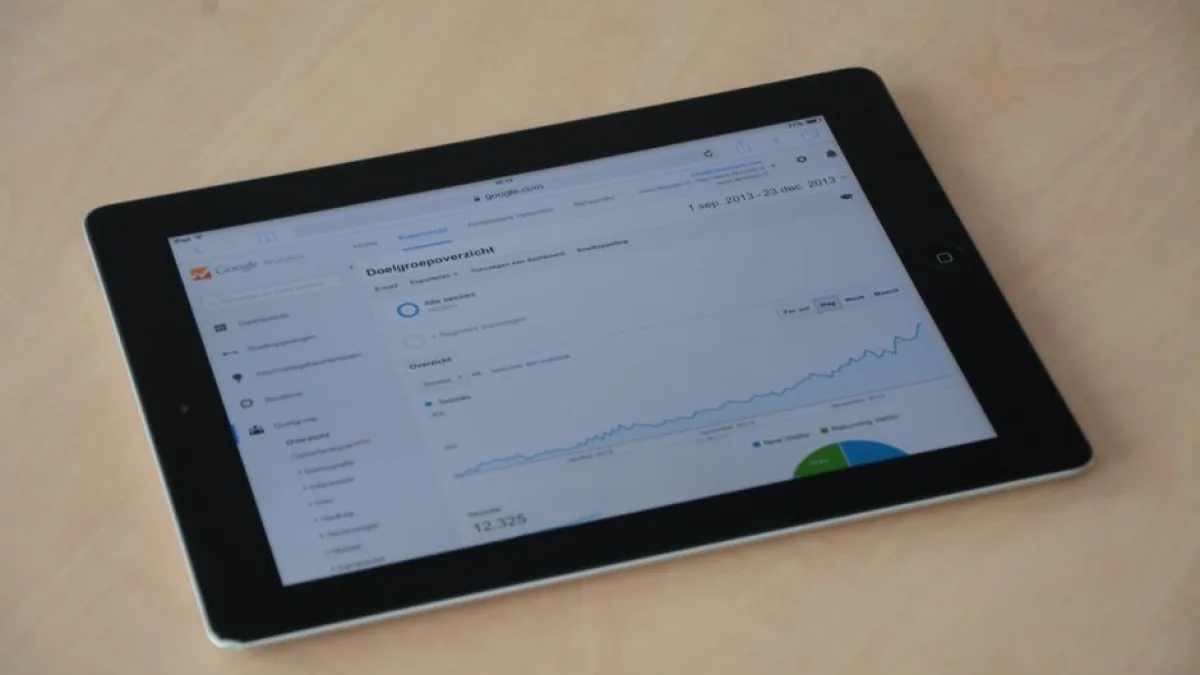
Centralizing data flows is essential for removing silos within your organization. When disparate systems communicate effectively, teams gain real-time visibility into shipments, which allows for proactive management and rapid responses to potential bottlenecks before they escalate into costly shipping delays.
- Seamless Cloud Integration: Connecting your core freight platform with carrier APIs allows for instant rate retrieval and automated status updates that keep your global teams perfectly aligned at all times.
- Centralized Documentation Storage: Maintaining all digital bills of lading and customs forms in a single repository eliminates physical paperwork and ensures that compliance audits proceed without any unnecessary friction.
- Automated Data Synchronization: Synchronizing information across modules prevents manual entry errors while ensuring that every department works with the same current shipment data to maintain operational accuracy throughout.
- Real-time Reporting Tools: Utilizing integrated reporting features provides management with immediate insights into profit margins and shipment performance metrics to support data-driven decisions during every phase of transit.
- Enhanced Team Collaboration: Providing all staff members with instant access to the same live information fosters better internal communication and improves the speed of service for international clients.
Investing in unified software architecture creates a solid foundation for operational excellence. By eliminating manual data entry tasks and reducing the reliance on scattered spreadsheets, your team can focus on higher value strategic planning. This shift towards a centralized digital ecosystem not only improves day-to-day productivity but also positions your freight forwarding business to adapt quickly to evolving market demands and client expectations.
Automating Shipment Workflows

Automation serves as the backbone of modern logistics by replacing repetitive manual tasks with intelligent software logic. When you automate repetitive workflows, you liberate your staff from administrative burdens, allowing them to focus on complex problem solving and building strong relationships.
- Automated Booking Triggers: Setting up automated alerts ensures that booking confirmations and carrier notifications are sent immediately upon receipt of customer orders to improve response times for shippers.
- Dynamic Route Planning: Utilizing smart algorithms to suggest the most cost-effective shipping routes helps your team reduce transit times and minimize unnecessary fuel consumption for every load.
- Customs Compliance Automation: Implementing automated checks for required documentation ensures that your shipments meet all international trade regulations before they even arrive at the port or terminal.
- Instant Invoice Generation: Creating invoices automatically based on verified shipment data ensures that billing remains accurate and helps accelerate the payment cycle for your finance team members.
- Proactive Milestone Alerts: Sending automatic notifications to clients regarding shipment status updates builds trust and reduces the volume of manual status inquiry emails handled by customer support.
Leveraging automation technology empowers freight forwarders to handle higher volumes without increasing their headcount. By automating standard operating procedures, your company achieves a consistent level of quality that sets you apart from competitors relying on manual processes. This transition to automated logistics management is essential for maintaining agility, ensuring that your business can scale effectively while providing a superior service experience for partners.
Enhancing Customer Visibility

Transparency is the hallmark of professional freight services in the current digital era. Clients expect instant updates on the location and status of their high-value cargo, necessitating robust tracking integrations that provide a reliable and comprehensive view of the supply chain.
- Live Tracking Dashboards: Offering clients an intuitive online portal allows them to track their shipments in real-time, which significantly improves satisfaction levels and reduces common support ticket volume.
- Personalized Client Notifications: Configuring bespoke alerts ensures that your customers receive exactly the information they need about their specific shipments at the most critical points in transit.
- Self-Service Portal Access: Granting your clients the ability to download their own documents and reports empowers them and minimizes the administrative workload for your account management team.
- Secure Data Sharing: Using encrypted cloud environments to share sensitive information ensures that your client data remains protected while allowing for quick access by authorized shipping stakeholders.
- Improved Service Satisfaction: Providing consistent and honest visibility into the shipping process fosters long-term loyalty and makes your company the preferred partner for complex global logistics projects.
True visibility is the key to building lasting partnerships in the logistics industry. By providing your customers with clear, real-time insights into their supply chain, you demonstrate professionalism and reliability. This commitment to transparency helps differentiate your brand in a crowded market, ultimately leading to increased client retention rates and stronger business relationships as you prove your value through consistent communication and performance.
Scalable Infrastructure Growth

Building a scalable foundation means choosing software that grows alongside your business requirements. As your shipment volume expands, your infrastructure must adapt to handle increased complexity without experiencing downtime or performance issues that could jeopardize your reputation with key global partners.
- Modular Software Design: Selecting a platform with modular components allows you to add features like warehouse management or accounting integrations exactly when your business needs them most.
- Cloud-based System Reliability: Hosting your operations on secure cloud servers ensures that your team can work from anywhere while maintaining high levels of uptime for critical tasks.
- Flexible User Permissions: Managing secure access levels for your growing team ensures that data remains safe while allowing new hires to contribute to the operation immediately upon boarding.
- API Driven Ecosystems: Utilizing open APIs allows your software to connect with a wide range of external tools to ensure you can integrate new technologies very easily.
- Regular System Updates: Leveraging a cloud provider that handles software maintenance ensures that your business always benefits from the latest security patches and newly released feature updates.
Preparing for growth requires a proactive approach to technology adoption. By selecting a flexible and robust software platform, you ensure that your firm can handle increased volumes and complex international challenges with ease. This forward-thinking strategy allows you to focus on expanding your service offerings and entering new markets, confident that your underlying technological infrastructure is capable of supporting every future ambition.
Conclusion
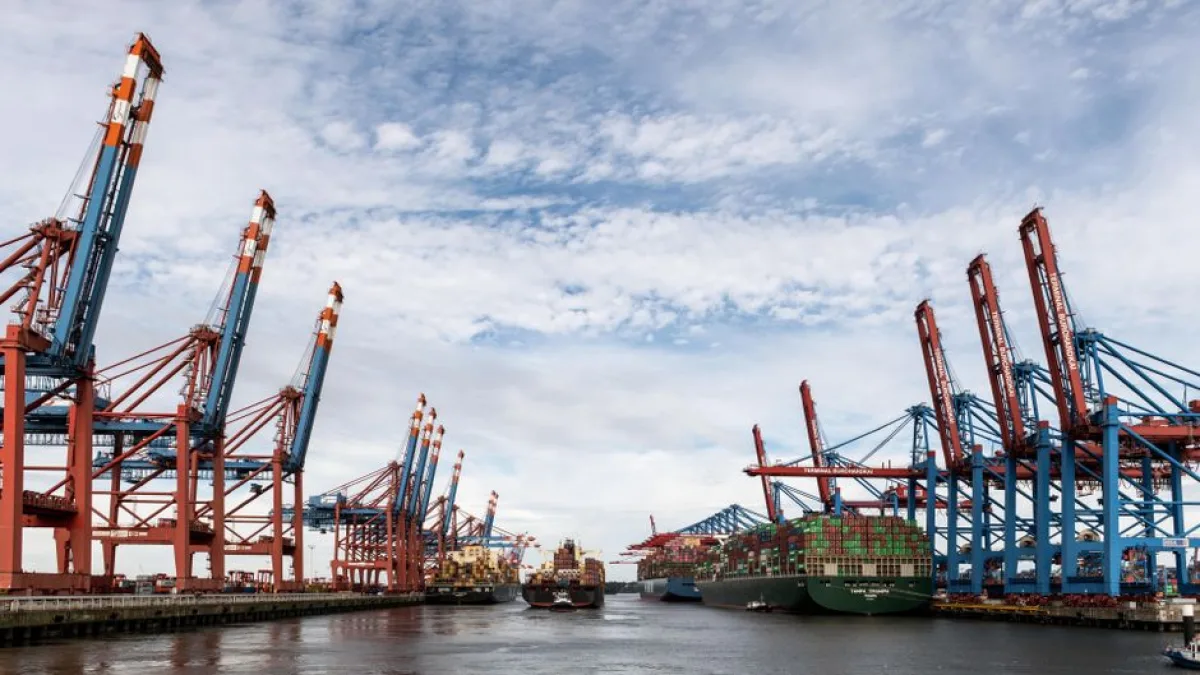
Transforming your freight forwarding business through strategic technology integration is the most effective way to ensure long-term success. By unifying your data, automating complex workflows, and providing unmatched visibility to your clients, you build a resilient foundation for future expansion. Start modernizing your operations today to gain a significant competitive edge and deliver exceptional value to your partners in the global supply chain.