Optimizing Freight Operations Through Digital Technology and Integration
Saturday, July 25 2026
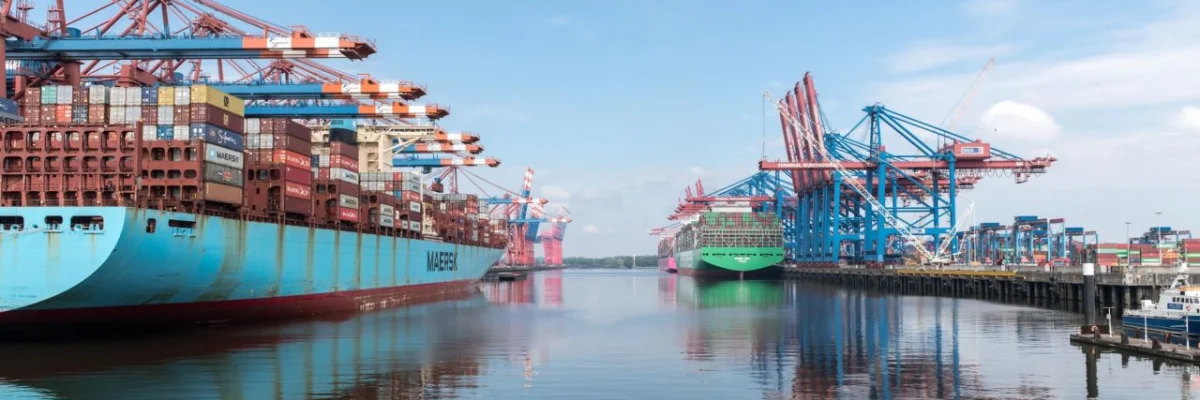
Modern freight forwarding relies on the seamless flow of data across complex global supply chains. As businesses face increasing pressure to provide real time transparency and efficiency, manual processes have become a significant bottleneck that stifles growth. By adopting cloud based logistics software, freight forwarders can connect disparate systems into a unified platform, significantly reducing errors while accelerating operational cycles. This digital transformation is no longer a luxury for industry leaders but a fundamental requirement for staying competitive in a volatile market. Embracing integrated technology empowers teams to focus on strategic customer service rather than tedious data entry and administrative tasks.
The Power of Connectivity
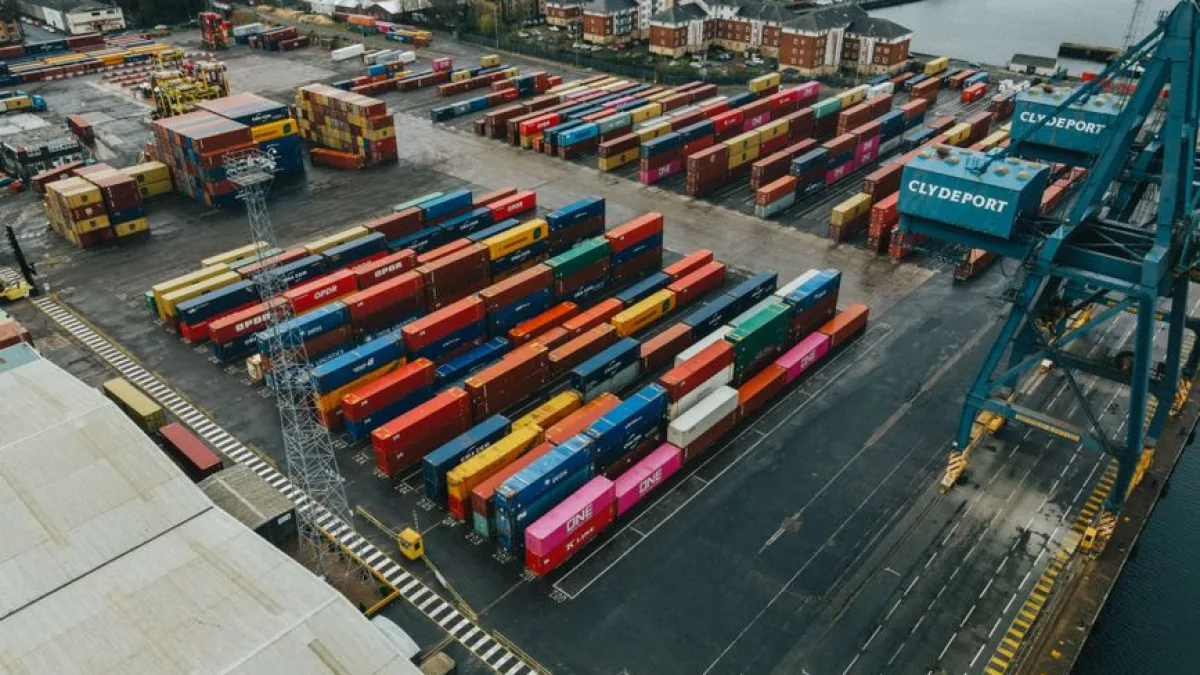
Interconnected systems eliminate the traditional data silos that plague many logistics companies. When every node in your software ecosystem communicates automatically, your team gains a single source of truth for all shipment data and client documentation requirements.
- Seamless Data Sync: Automated systems ensure that shipment information flows instantly between platforms to prevent manual entry errors and maintain accurate records for all stakeholders throughout the entire shipping process.
- Real Time Visibility: Integrated modules provide live updates on vessel locations and cargo status to ensure that your customers receive precise tracking data without needing constant status update requests.
- Reduced Operational Latency: Eliminating manual data rekeying minimizes the time spent on administrative chores while allowing staff to dedicate their energy to higher value tasks like client relationship management.
- Enhanced System Accuracy: Centralized digital platforms drastically reduce the risk of human error by standardizing input fields across every department to maintain data integrity from pickup to final delivery.
- Streamlined Workflow Automation: Automated triggers allow your software to notify relevant parties when milestones occur to keep operations moving without needing constant oversight from your logistics management team members.
Achieving total connectivity within your freight forwarding platform provides a foundation for long term success. When your operational systems communicate without friction, you experience fewer delays and significantly higher productivity across every department. This technological alignment creates a robust environment that supports scalability during periods of rapid growth while keeping overhead costs manageable. Start integrating your core systems today to unlock your full potential.
Automating Documentation Processes

Documentation is often the most time consuming aspect of freight management due to complex compliance regulations. Implementing smart automation tools helps forwarders generate and manage shipping documents with precision while ensuring that all regulatory requirements are met accurately every time.
- Automated Document Generation: Intelligent software templates create bills of lading and commercial invoices automatically by pulling existing data from your system to save hours of repetitive manual typing tasks.
- Regulatory Compliance Checks: Built in validation tools scan your documents for potential errors or missing information before they reach customs officials to prevent costly delays at critical border crossings.
- Instant Digital Archiving: Secure cloud storage ensures that all your critical logistics documentation remains organized and accessible for future audits or client requests without needing physical filing cabinets.
- Client Portal Integration: Providing customers with direct access to their documentation via a secure portal builds trust and reduces the volume of email inquiries sent to your team.
- Electronic Signature Support: Enabling digital sign offs on all your shipping documents speeds up the approval process significantly compared to traditional paper based signing and scanning workflows used previously.
By shifting to automated document workflows, you replace slow and error prone manual methods with a high speed digital process. This reduction in administrative effort allows your team to handle larger shipment volumes without increasing headcount. Accuracy improves instantly when software manages the heavy lifting of compliance and data management. Investing in these digital tools provides a tangible return on your operational investment.
Optimizing Warehouse and Yard Efficiency
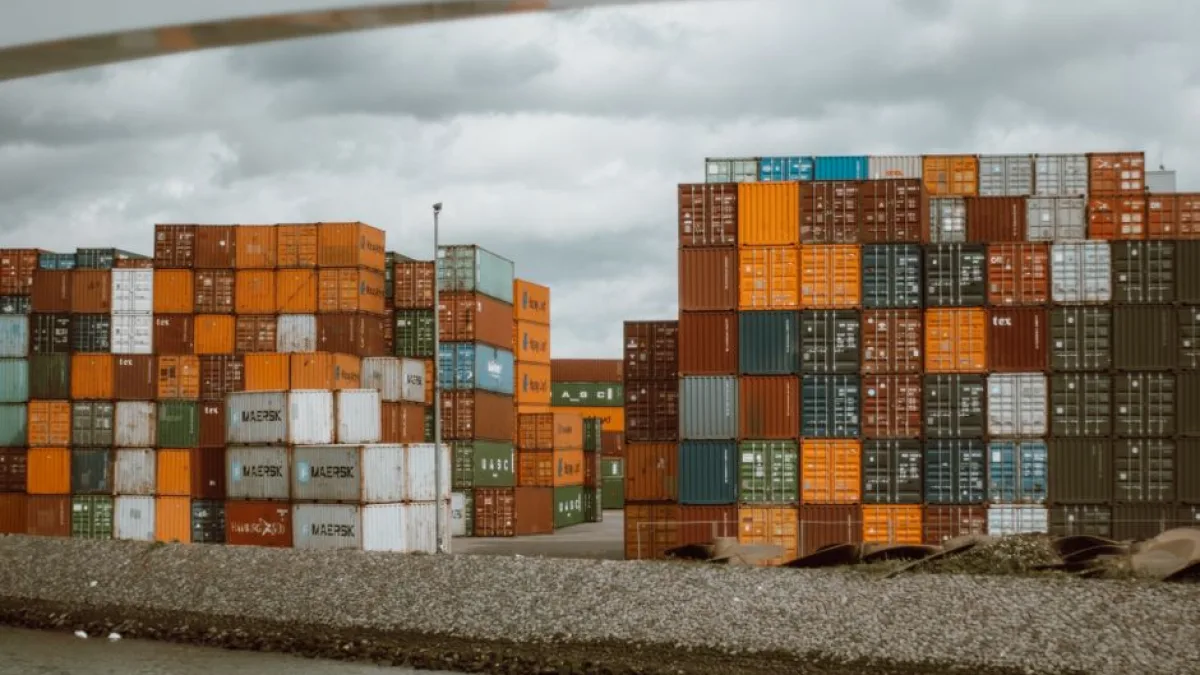
Efficient movement of goods requires precise coordination between your warehouse floor and your digital management tools. Modern software provides the visibility needed to optimize yard operations and ensure that every container is tracked with absolute precision during its stay.
- Real Time Yard Mapping: Digital floor plans allow your warehouse staff to locate specific containers instantly to reduce the time spent searching through physical inventory during busy operational periods.
- Smart Inventory Allocation: Intelligent algorithms suggest the best storage locations based on turnover rates to maximize the available space and minimize movement distance for your warehouse forklift operators.
- Automated Load Optimization: Calculation engines help your team maximize container capacity to ensure every shipment is cost effective and meets the specific weight limits required for international transport.
- Safety Compliance Monitoring: Integrated digital tracking ensures that all hazardous materials are stored in designated areas according to strict safety protocols to keep your facility compliant and secure.
- Performance Tracking Metrics: Advanced dashboards provide insight into warehouse throughput rates so you can identify bottlenecks quickly and adjust your operational strategies based on actual data performance trends.
Streamlined yard management transforms how your team interacts with physical inventory every single day. By using software to direct warehouse movements and track assets, you eliminate wasted time and improve the overall flow of goods through your facility. This level of control reduces stress on your floor staff and ensures that customers receive their cargo promptly. It is time for a digital upgrade.
Leveraging Advanced Data Analytics

Data is the most valuable asset in the modern freight industry when managed correctly. Advanced analytics tools allow you to transform raw shipment logs into actionable insights that drive better decision making and improve your bottom line performance overall.
- Trend Forecasting Models: Predictive analytics examine historical shipping data to help you anticipate seasonal demand surges and prepare your resources accordingly for upcoming peak season logistics activity cycles.
- Cost Management Analysis: Detailed financial reports highlight which shipping lanes or carrier partners offer the best value to help you optimize your procurement strategies and improve profit margins.
- Customer Behavior Insights: Analyzing client shipping patterns allows your sales team to offer customized solutions that meet specific needs and increase overall customer satisfaction through proactive account management.
- Vendor Performance Scoring: Quantitative metrics provide an objective view of how your carriers perform on reliability and pricing to ensure that you always work with the best partners.
- Customized Reporting Tools: Generate tailormade reports for your internal management team or external clients to demonstrate the value provided by your services and foster deeper business partnerships.
Data analytics provide the clarity needed to navigate an unpredictable global logistics landscape with confidence. By translating complex data sets into clear visual reports, you gain a massive advantage over competitors who rely on guesswork. Using these insights to drive every decision ensures that your operations remain profitable and customer centric. Make data your primary guide to achieving excellence in all freight forwarding activities.
Conclusion

Adopting integrated technology is the most effective way to modernize your freight forwarding business. By connecting systems, automating documentation, optimizing warehouse flow, and leveraging data, you create a sustainable advantage. The transition to cloud software allows your team to overcome traditional limitations while focusing on high value growth opportunities. Implement these digital strategies today to build a faster, smarter, and more profitable logistics future for your company.