Optimizing Freight Operations Through Digital Technology and Integrations
Sunday, July 26 2026

The logistics landscape is evolving at a rapid pace as global supply chains demand higher transparency and speed from freight forwarders. Relying on manual data entry and disjointed legacy systems creates bottlenecks that hinder growth and customer satisfaction. Modern freight forwarders must embrace digital transformation to remain competitive in a landscape driven by data precision and real time updates. By leveraging advanced cloud platforms and seamless integrations, companies can eliminate silos and gain full visibility into their operations. This shift is not just about adopting new tools but fundamentally reimagining how cargo moves across the world through smarter technology.
The Power of Cloud Connectivity
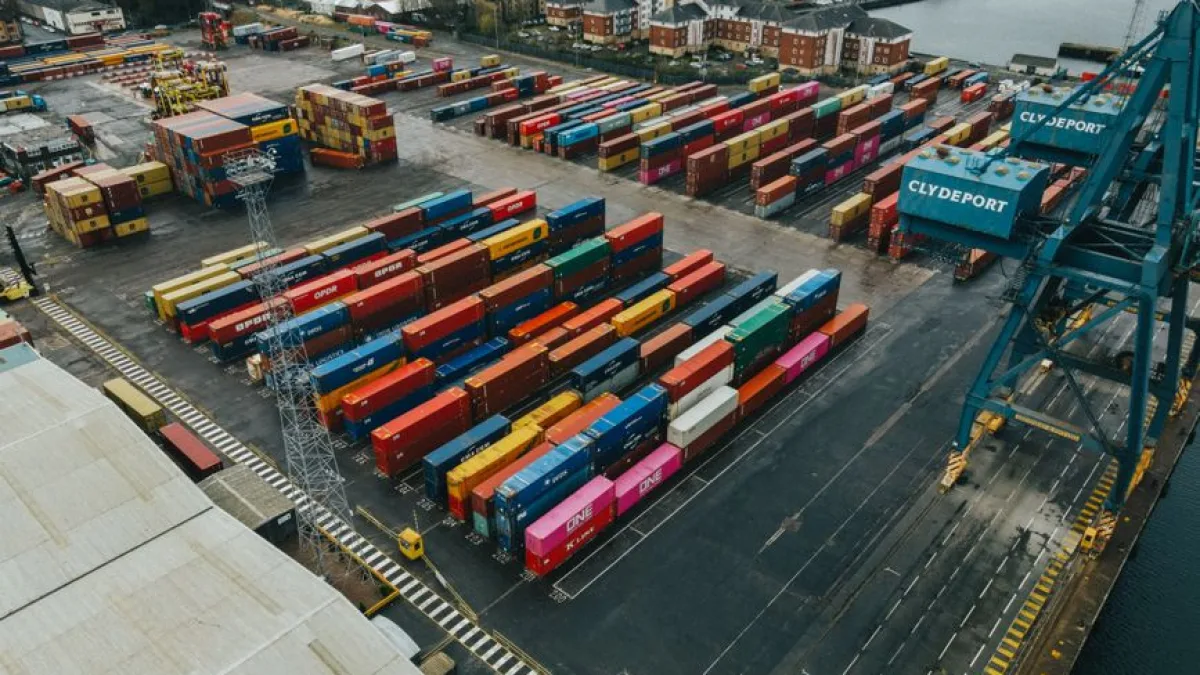
Cloud infrastructure serves as the backbone for modern shipping logistics by centralizing critical data into one accessible portal. When teams access the same source of truth, efficiency gains manifest through reduced communication errors and faster response times for international clients.
- Centralized Data Management: Storing all shipment details in a unified cloud environment ensures that your entire team stays synchronized regardless of their physical location during daily operations.
- Real Time Collaboration: Teams can update shipment statuses simultaneously, providing stakeholders with immediate information without the need for endless email threads or repetitive phone status check calls.
- Enhanced Data Security: Advanced cloud providers offer robust encryption protocols and automated backup services that protect your sensitive customer information against evolving cyber threats and physical data loss.
- Scalable Infrastructure Options: Growing freight forwarding businesses can easily expand their storage and processing power as transaction volumes increase without requiring significant upfront capital for internal server hardware.
Adopting cloud connectivity fundamentally changes how forwarders interact with their global agents and local partners. By removing the limitations of local software, businesses become more agile and responsive to market fluctuations. This transformation facilitates a smoother workflow, allowing your staff to focus on strategic client relations rather than resolving technical glitches or managing disparate software versions across multiple office locations globally.
Automating Complex Documentation Flows

Documentation remains a significant pain point for many forwarding firms because paper based tasks are prone to human error. Automating these flows via integrated software significantly reduces the time spent on repetitive data entry and compliance related verification.
- Automated Bill Creation: Smart software extracts data directly from bookings to generate accurate bills of lading, which drastically cuts down on manual typing and potential clerical errors.
- Compliance Verification Tools: Built in logic checkers automatically validate trade documentation against international regulations to ensure that every shipment avoids costly delays at customs clearance checkpoints.
- Template Management Systems: Standardized document templates allow users to prepare recurring shipments with pre-filled details, saving valuable hours that are better spent on developing new business.
- Digital Signature Integration: Secure electronic signature platforms expedite the approval process for shippers and carriers, eliminating the wait time typically associated with physical document mailing or scanning.
Efficient documentation automation is the key to maintaining high throughput during busy shipping seasons. When your software handles the repetitive preparation of labels, invoices, and customs declarations, your operations team can handle larger volumes with existing staff levels. This improvement in productivity directly impacts your bottom line and improves the speed at which your cargo reaches its intended final destination.
Seamless API Integration Advantages

Integrations connect your platform to carrier networks and financial software to create a frictionless ecosystem. When disparate systems talk to each other, the manual effort required to move information from one database to another vanishes entirely for users.
- Carrier System Syncing: Connecting directly to ocean and air carrier portals allows for automatic tracking updates and booking confirmations without leaving your core software interface platform.
- Financial Software Linking: Automating the transfer of invoice data from your freight platform into accounting systems ensures that your books are always accurate and reconciled properly.
- Custom API Connections: Tailored integrations enable your business to connect with unique vendor tools or client proprietary systems to create custom solutions that drive long-term loyalty.
- Reduced Manual Entry: Eliminating the need to retype information between platforms prevents common data discrepancies that often lead to billing errors or shipments being sent incorrectly.
The strategic use of APIs transforms your software from a isolated tool into the central nervous system of your logistics enterprise. By linking your operations with carrier and accounting tools, you create a cohesive environment where data flows without friction. This connectivity allows forwarders to offer superior service levels while simultaneously lowering the operational overhead associated with managing complex international shipments.
Data Driven Strategic Decision Making

Accessing accurate performance metrics allows management to identify trends and improve profitability. When logistics software tracks every touchpoint, the resulting data provides actionable insights that help refine service offerings and improve vendor management strategies for the future.
- Performance Analytics Dashboards: Visual reports highlight key performance indicators such as transit times and profit margins, giving management a clear view of where optimizations are most needed.
- Predictive Capacity Planning: Historical data analysis assists in forecasting peak seasons and space requirements, ensuring you have enough capacity to meet client demands during high traffic periods.
- Vendor Performance Scoring: Detailed reporting on carrier reliability helps you choose the most efficient partners, ensuring your customers receive consistent service while you maintain healthy profit margins.
- Margin Analysis Reporting: Tracking costs versus revenue for every shipment enables you to identify which routes or services are the most profitable for your specific company.
Data driven insights turn reactive forwarding operations into proactive profit centers. By consistently monitoring your metrics, you can make informed decisions that optimize every aspect of your supply chain. This approach not only enhances current efficiency but also provides a roadmap for sustainable growth, ensuring that your freight forwarding business remains resilient and profitable in a fast changing global market.
Conclusion

Embracing technology and integration is the most effective way to scale your freight forwarding business in the modern age. By centralizing operations and automating your workflows, you create a robust foundation for success. We invite you to explore how MakeCargo supports these digital advancements to transform your daily operations. Start your journey toward a more efficient and connected logistics future today by contacting our team.