Optimizing Freight Operations Through Digital Technology Integrations
Sunday, October 4 2026
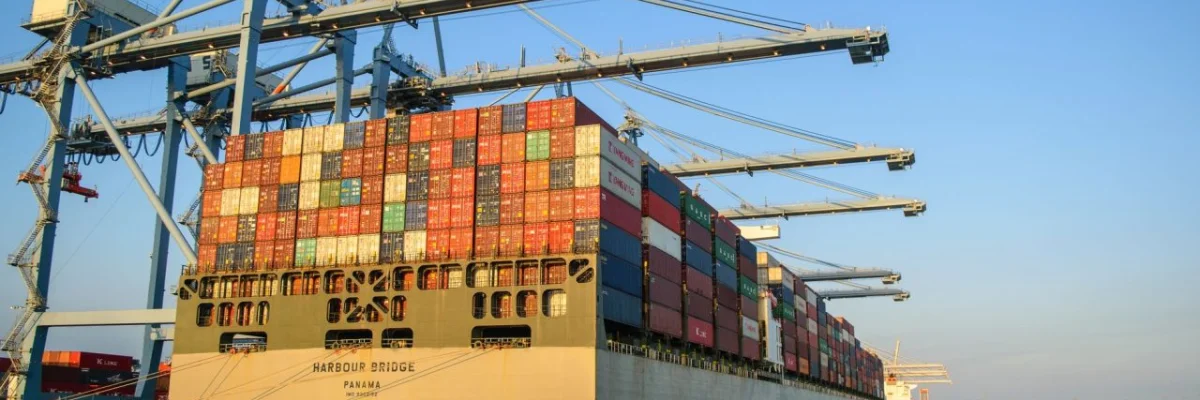
The global logistics industry is undergoing a profound transformation as traditional manual processes are rapidly replaced by sophisticated cloud software. For modern freight forwarders, the ability to manage complex supply chains relies heavily on seamless data flow and real time visibility. Leveraging advanced technology platforms allows companies to break down data silos, reduce operational bottlenecks, and provide superior client experiences. By integrating modular software solutions, forwarders can now automate tedious tasks, minimize human error, and focus on strategic growth. This evolution is no longer just a competitive advantage but a fundamental necessity for businesses aiming to remain relevant in a highly volatile market.
Automating Workflow Efficiency

Modern digital tools enable teams to automate repetitive administrative duties that previously consumed valuable time. By connecting core operational systems, forwarders can streamline documentation handling, booking requests, and invoicing workflows, significantly reducing the dependency on manual data entry and email communication chains.
- Seamless Data Sync: Automated systems ensure that shipment information remains consistent across all platforms, eliminating redundant entry tasks and preventing costly errors during the sensitive booking or customs documentation phases.
- Reduced Manual Tasks: Implementing smart automation allows your team to focus on high value activities like client relationship management rather than spending hours on repetitive data inputting chores.
- Faster Document Processing: Digital document management allows for instant retrieval and sharing of shipping papers, ensuring that all parties have access to necessary files without delays or confusion.
- Optimized Task Allocation: Intelligent software routes specific tasks to the appropriate team members based on their expertise, ensuring that operational bottlenecks are identified and resolved with minimal downtime.
Adopting automation is the primary step toward scaling your freight forwarding business effectively. When your staff is liberated from mundane administrative burdens, they gain the bandwidth to handle more shipments and build stronger relationships with existing clients. This shift not only improves internal productivity but also directly impacts your bottom line by reducing operational overhead and accelerating the overall velocity of your business model.
Enhancing Real Time Visibility
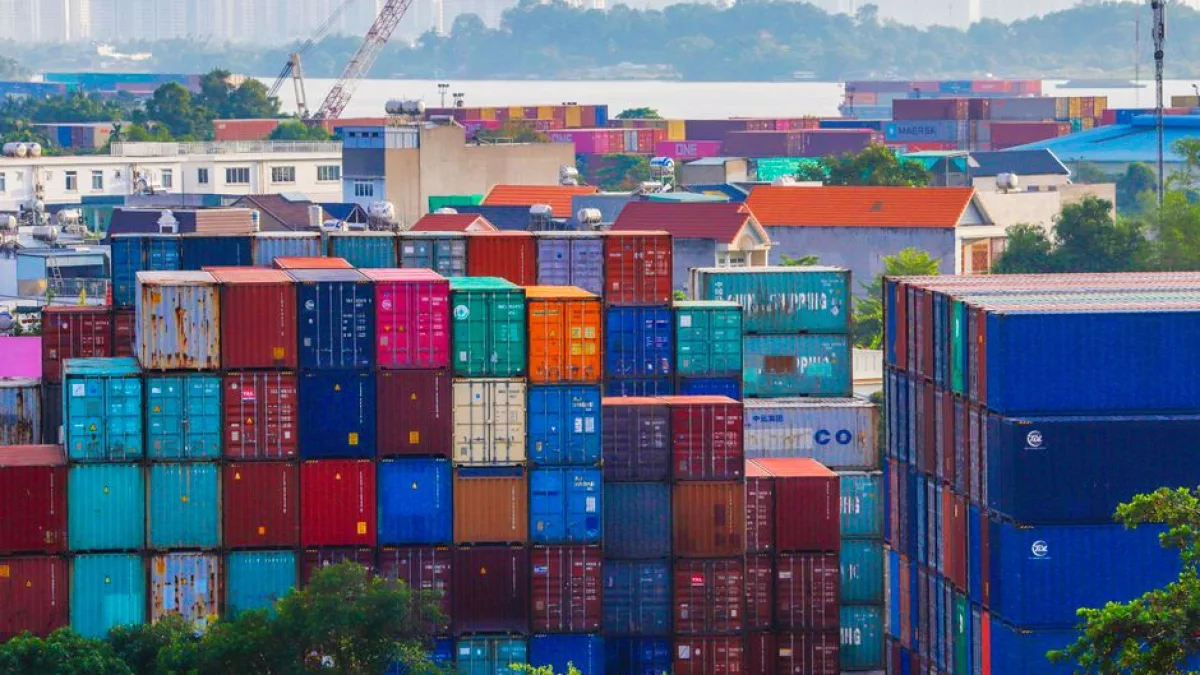
Transparency has become the most sought after commodity in logistics, as clients demand immediate updates on their cargo status. Integrated tracking solutions provide a unified view of shipments, allowing forwarders to proactively manage expectations and respond swiftly to any disruptions.
- Live Cargo Tracking: Clients gain confidence when they can view the current status of their goods in real time, reducing the need for constant phone calls or status emails.
- Proactive Exception Management: Modern platforms alert your staff the moment a deviation occurs, allowing for rapid decision making that minimizes delays and keeps the entire supply chain moving.
- Unified Communication Hubs: Centralized dashboards pull information from carriers and terminals, giving your team a single source of truth for every shipment across every mode of transport.
- Automated Status Alerts: Proactive notifications sent directly to stakeholders keep everyone informed, which significantly increases customer loyalty by providing an effortless and highly transparent service experience throughout transit.
Visibility is the foundation of trust in the freight industry. By providing your customers with clear, accurate information via an integrated portal, you distinguish your services from competitors who still rely on fragmented manual tracking methods. Investing in these digital tools ensures that you maintain control over the shipment lifecycle while providing the high quality communication that modern shippers expect from their partners.
Unifying Supply Chain Ecosystems

Connecting various software ecosystems is essential for creating a cohesive operational environment. Through robust API integrations, freight forwarders can link their internal systems with carrier networks, customs authorities, and financial platforms, creating a powerful engine for seamless global trade.
- Scalable API Connections: Robust integrations allow your software to communicate effortlessly with third party applications, ensuring that information flows between your systems and partners without any manual intervention.
- Custom Software Stacks: Businesses can build a tailored technology stack that addresses their specific operational requirements while remaining flexible enough to adapt as market demands continue to change.
- Synchronized Carrier Data: Direct links to ocean and air carriers provide instant access to schedules and pricing, allowing for more informed decision making during the booking process today.
- Improved System Security: Centralized integrations often provide better security protocols and data encryption standards, protecting sensitive business information and customer details from potential cyber threats or data breaches.
Building a connected ecosystem is about more than just convenience; it is about creating a resilient foundation for your company. As global supply chains become more complex, the ability to integrate diverse data sources will define the leaders of the industry. This unified approach allows forwarders to move faster, act more decisively, and provide a comprehensive service that covers every single logistical requirement.
Driving Data Driven Decisions

Transforming raw shipping data into actionable insights is the ultimate goal of modern logistics software. By analyzing trends in performance, costs, and carrier reliability, freight forwarders can make smarter decisions that improve profitability and optimize their entire service portfolio for long term success.
- Detailed Performance Reports: Advanced analytics provide clear insights into operational performance, highlighting areas where your team is excelling and identifying specific processes that need further optimization or improvements.
- Cost Management Clarity: Monitoring every expenditure through integrated financial tools allows you to control overheads effectively while maximizing profit margins on every single shipment you manage for clients.
- Carrier Reliability Metrics: Reviewing historical data helps you select the best partners for specific routes, ensuring that you consistently provide reliable service based on real performance evidence instead.
- Strategic Business Planning: High level dashboards empower management to set realistic growth goals, plan resource allocation efficiently, and execute strategies that align with current market conditions and opportunities.
Data is the most valuable asset in your digital arsenal. When you move away from gut feeling and rely on hard metrics to guide your operations, you position your business to capture more market share. Leveraging these analytical insights ensures that you remain agile in the face of shifting trade routes and economic fluctuations while consistently delivering superior value to your customers.
Conclusion

Embracing digital integration is essential for freight forwarders who want to thrive in a modern, fast paced logistics environment. By automating workflows, increasing visibility, unifying your ecosystem, and utilizing data analytics, you build a foundation for sustainable growth. Start your digital transformation today to improve operational efficiency and provide the high level service that your global clients demand and deserve.