Optimizing Freight Operations Through Digital Transformation
Tuesday, August 11 2026

Freight forwarding is currently navigating a period of unprecedented complexity, requiring logistics providers to transition from legacy manual processes toward agile digital frameworks. As global supply chains face constant disruptions and rising customer expectations for real-time visibility, operations teams must leverage cloud-based platforms to remain competitive. By centralizing documentation, automating repetitive workflows, and enhancing data transparency, forwarders can significantly reduce overhead costs while improving service delivery standards. Embracing a modern technological stack is no longer a luxury for industry leaders but a fundamental requirement for operational resilience in a fast-paced market that demands accuracy and speed from every logistics partner.
Automating Documentation Processes

Manual document management remains one of the most time-consuming aspects of freight forwarding, often leading to bottlenecks and human errors. Shifting toward automated data capture and cloud storage ensures that every shipping document is securely processed, indexed, and accessible to authorized stakeholders instantaneously.
- Reduced Data Entry: Automating the transfer of information from bills of lading into your system minimizes manual typing errors and saves hours of administrative labor for your operations staff.
- Centralized Document Storage: Keeping all shipping files within a single cloud-based repository allows teams to collaborate effectively while ensuring compliance with international trade regulations and audit requirements daily.
- Faster Processing Times: Digital workflows accelerate the movement of documents between carriers and clients, effectively reducing the lead time required for final cargo clearance and delivery status updates.
- Enhanced Data Accuracy: Automated validation tools verify that information entered by partners matches your internal requirements before documents are submitted to customs authorities for final processing steps.
By removing the burden of manual data entry, your team can focus on complex problem solving rather than redundant administrative tasks. Digital transformation allows for seamless document flow, ensuring that information is always accurate and ready for review. Investing in these automated solutions ultimately stabilizes your internal operations, fosters better relationships with international clients, and positions your firm as a leader in modern global logistics services.
Real-Time Cargo Visibility
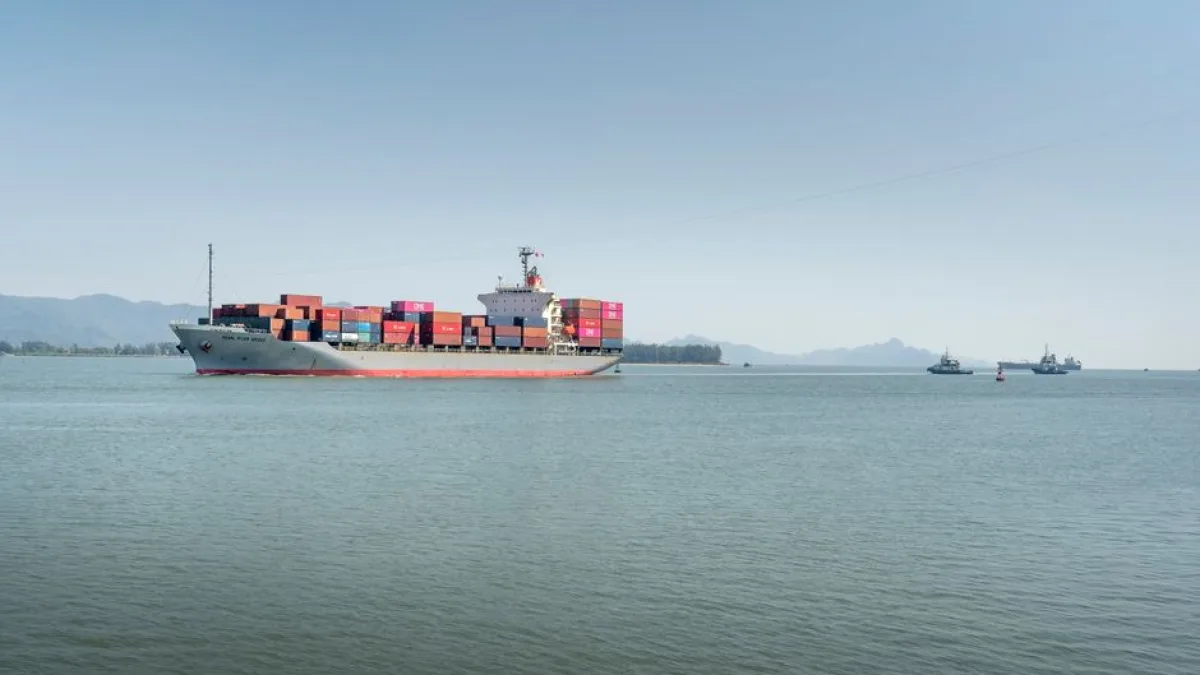
Tracking cargo movement across global routes requires robust digital tools that integrate data directly from carriers. Providing clients with live status updates reduces communication volume, builds long-term trust, and allows for proactive management when unexpected delays or shipping route changes inevitably occur.
- Proactive Delay Alerts: Advanced tracking systems automatically notify your team and clients about transit delays, allowing for quick adjustments to supply chain schedules before problems become critical issues.
- Live Location Tracking: Integration with carrier APIs ensures that you always know the exact geographic location of your customer shipments while they are in active transit.
- Enhanced Client Transparency: Offering a self-service portal for customers creates a transparent environment where they can monitor their shipment status without constant email or phone inquiries.
- Improved Exception Management: Automated dashboards highlight shipments that deviate from original plans, allowing operations teams to intervene early and resolve logistics issues with minimal client impact.
Visibility serves as the backbone of modern freight forwarding services, transforming how you communicate with clients during turbulent shipping periods. When your customers have access to live data, they experience higher satisfaction levels and lower anxiety regarding their cargo status. By mastering real-time tracking, your business effectively differentiates itself from traditional forwarders who rely on outdated methods and fragmented communication channels for updates.
Streamlining Carrier Communications

Communication breakdowns between forwarders and carriers often cause delays and misaligned shipping expectations. Establishing a digital hub for all carrier interactions ensures that every update, quote request, and booking confirmation is recorded, tracked, and accessible to the entire logistics operation team.
- Unified Messaging Hub: Consolidating all carrier emails and chat logs into a single platform prevents critical information from being lost in personal employee inboxes or isolated folders.
- Digital Booking Requests: Submitting booking requests through standardized digital forms ensures that carriers receive all necessary shipment details, reducing the need for back-and-forth clarification emails.
- Instant Quote Comparisons: Integrated platforms allow you to compare multiple carrier quotes side-by-side, helping your team select the most cost effective or fastest route for every shipment.
- Standardized Carrier Updates: Establishing a unified reporting structure ensures that carriers provide consistent information format updates, making it easier to parse data and sync with client systems.
Efficient communication is the cornerstone of a smooth supply chain operation, reducing confusion and preventing costly errors. By standardizing how your team interacts with global carriers, you create a more predictable environment for your operations. This transition to a unified communication strategy empowers your staff to manage multiple shipping partners with ease, ensuring that every booking remains perfectly aligned with client requirements.
Scaling Operations Through Cloud Technology

Scaling a freight forwarding business requires infrastructure that grows alongside your cargo volume and customer base. Cloud-based platforms provide the flexibility to add new users, integrate with additional carrier systems, and support remote team operations without the need for expensive hardware or constant software maintenance.
- Global System Access: Cloud infrastructure allows your entire team to access operational data from any location, supporting distributed teams and ensuring business continuity across different time zones.
- Seamless Software Updates: Using SaaS-based logistics tools ensures that your platform is always running the latest version, incorporating the newest security patches and feature enhancements automatically.
- Scalable Storage Solutions: As your document and shipment volumes increase, cloud platforms offer flexible storage upgrades that adapt to your business needs without significant capital expenditure requirements.
- Integrated API Connections: Cloud platforms facilitate easy connections with third-party accounting, CRM, and customs software, creating a comprehensive ecosystem that automates data flow across your entire company.
Cloud technology is the foundation for future-proofing your freight forwarding business in a digital world. By leveraging flexible software solutions, you gain the ability to react quickly to market shifts while maintaining high performance standards across your operations. As your firm expands, these tools provide the stability and scalability needed to handle increased volume efficiently while maintaining focus on delivering exceptional service.
Conclusion
Transforming your freight operations requires a commitment to digital tools that enhance efficiency and transparency across the entire supply chain. By prioritizing automation, real-time visibility, and centralized communication, forwarders can overcome industry challenges while delivering superior value to their global customers. Start optimizing your workflows today with MakeCargo to ensure your logistics business remains competitive, scalable, and fully prepared for the future of international trade.