Optimizing Freight Operations Through Digital Transformation
Saturday, August 22 2026
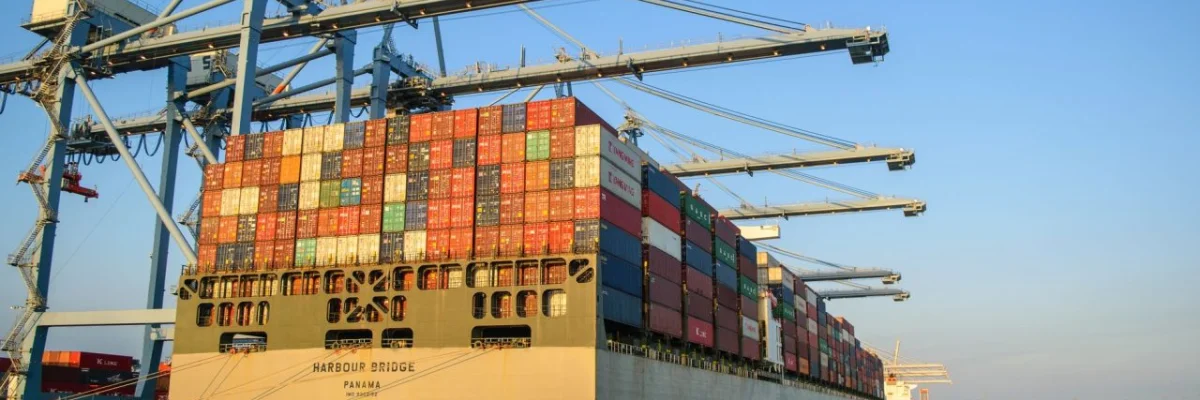
Modern freight forwarding relies on speed, accuracy, and transparent communication across global supply chains. As global trade volumes fluctuate, freight forwarders must abandon legacy manual processes that lead to costly human errors and lost operational efficiency. Adopting a unified cloud platform allows teams to manage complex logistics, documentation, and carrier interactions from a single source of truth. By leveraging automated workflows and real-time tracking, forwarders can reclaim valuable time to focus on strategic client relations. This transformation is not merely about upgrading software but fundamentally changing how your logistics organization delivers value in a highly competitive and interconnected international marketplace.
Prioritizing Data Automation

Integrating automated data processing tools significantly reduces the time spent on manual entry tasks. By centralizing documentation, your team eliminates redundant verification steps and ensures that all stakeholders have access to the latest shipment updates without constant email back-and-forth communication.
- Automated Data Entry: Implement software that automatically extracts details from commercial invoices and packing lists to ensure total accuracy across every document generated within your logistics operations platform.
- Centralized Document Storage: Maintain a secure cloud repository where all shipping documentation is stored, categorized, and easily accessible to authorized team members, clients, and relevant customs authorities.
- Real-time Data Sync: Ensure that every system update is instantly reflected across your dashboard so that no shipment detail remains outdated during critical stages of international transit.
- Error Reduction Protocols: Use digital validation rules to flag missing information or inconsistent data formats before files are submitted to carriers or regulatory agencies for clearance.
Investing in automation allows your staff to focus on complex problem solving rather than repetitive administrative chores. When data flows seamlessly between your logistics system and carrier partners, you minimize the risk of costly discrepancies. This shift empowers your team to handle higher shipment volumes while maintaining high standards of accuracy, ultimately leading to improved service reliability for your global customer base.
Enhancing Shipment Visibility
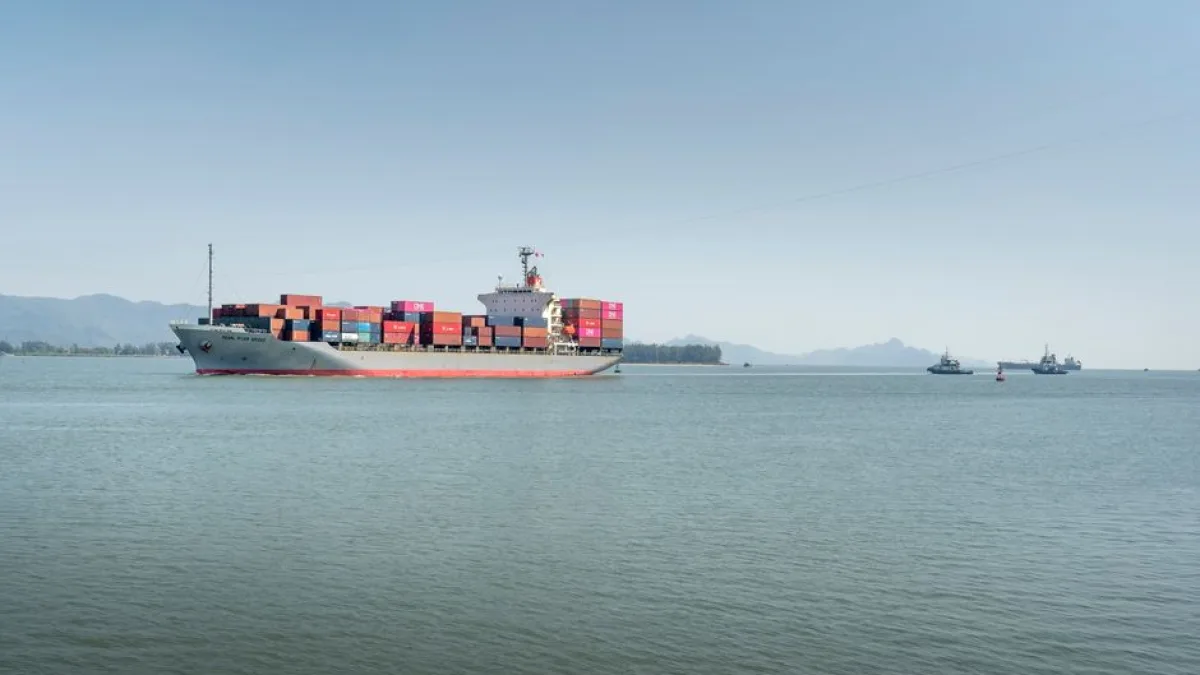
End-to-end visibility has become the most important requirement for modern shippers who demand constant updates. Providing your clients with a transparent view of their cargo location builds trust and allows for proactive management of potential delays during transit.
- Live Tracking Updates: Utilize API integrations to pull real-time movement data directly from carriers into your platform, providing immediate location updates to your internal operations team.
- Proactive Delay Alerts: Configure automated notification systems that trigger alerts when a vessel deviates from its planned schedule, allowing you to inform clients before issues escalate.
- Custom Client Portals: Give your customers direct access to a branded portal where they can monitor their shipments and download essential documents without requesting manual assistance.
- Milestone Event Monitoring: Track every critical event from warehouse departure to final delivery to maintain a comprehensive audit trail that supports your team and your clients.
Visibility serves as a powerful competitive advantage in a world where speed and information are king. By transforming raw tracking data into actionable intelligence, you help your clients manage their own inventory cycles with far greater precision. This level of transparency keeps customers coming back, as they feel fully informed and confident that their cargo is in capable, digitally managed hands.
Standardizing Communication Channels

Email clutter often obscures critical shipping details and creates confusion within fast-paced logistics teams. Moving communication to a unified platform ensures that every message, request, and status update is linked directly to the relevant shipment record for transparency.
- Contextual Message Threads: Attach all communication threads directly to specific shipment files to ensure that all relevant parties have the necessary background for every task completed.
- Internal Team Collaboration: Use built-in messaging tools to discuss shipment nuances with colleagues without needing to switch between different email clients or internal chat apps.
- Standardized Response Templates: Deploy professional email templates for common client inquiries to ensure that your communication remains consistent, professional, and clear during every client interaction.
- Secure Sharing Features: Exchange sensitive documents and messages through a protected platform interface rather than relying on unsecured email attachments that risk potential data exposure.
Streamlined communication prevents the loss of information that frequently occurs when threads are fragmented across different accounts. When your entire team accesses information from a single point of truth, response times improve and internal friction disappears. This creates a cohesive environment where everyone understands their responsibilities, resulting in a significantly smoother flow of information that drives productivity forward every single day.
Scalable Infrastructure Growth

Scaling your freight forwarding business requires a flexible infrastructure that grows alongside your cargo volume. Cloud based platforms remove the limitations of local servers, allowing your organization to expand globally without the burden of expensive, complex hardware maintenance or upgrades.
- Cloud Infrastructure Flexibility: Access your logistics platform from any location globally, supporting remote teams and branch offices as you expand your footprint into new international markets.
- Seamless Platform Scaling: Upgrade your subscription or feature set dynamically to accommodate sudden surges in shipment volumes during peak seasonal demands without any significant downtime required.
- Unified Global Operations: Implement a single standard operating procedure across all global offices by using a centralized cloud system that enforces consistent workflows for every agent.
- Cost Efficiency Gains: Eliminate the need for dedicated IT staff to manage local server maintenance by leveraging software providers that handle all security and updates.
A scalable software foundation is essential for forwarders who aim to capture new market opportunities while maintaining service quality. By removing technical barriers to growth, your firm can adapt to changing industry requirements and capture more business without increasing your overall overhead costs. Focus on scaling your reach while knowing that your core operational tools are designed to support sustained long-term success.
Conclusion

Embracing digital innovation is essential for any forwarder aiming to stay relevant in an evolving logistics landscape. By focusing on data automation, end-to-end visibility, standardized communication, and scalable infrastructure, your firm can overcome traditional obstacles to drive meaningful growth. Start your transformation today by assessing which manual processes currently hinder your efficiency and explore cloud solutions that align with your long-term business objectives.