Optimizing Freight Operations Through Digital Transformation
Monday, September 14 2026
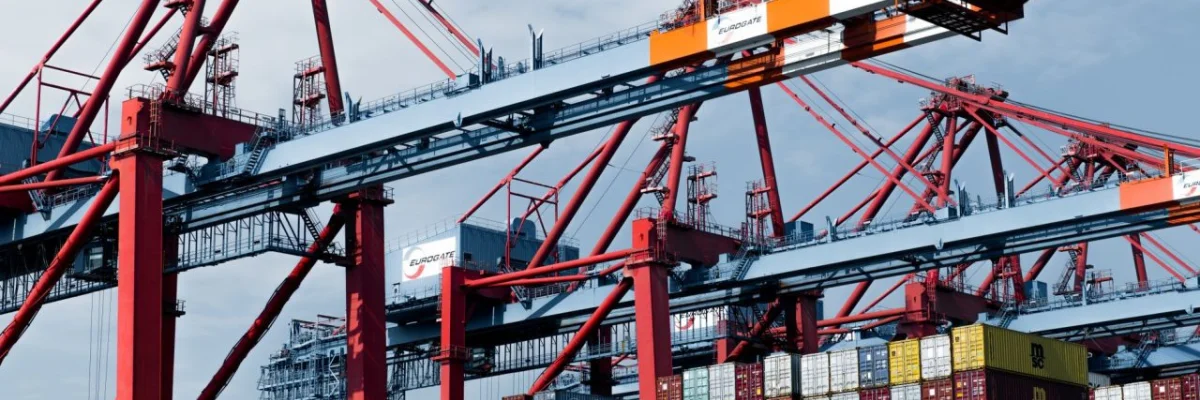
Modern freight forwarding is undergoing a profound evolution as traditional manual processes give way to high speed cloud technologies. For logistics companies, the pressure to maintain margins while meeting increasing customer expectations for transparency and speed is higher than ever before. Successful firms are now leveraging integrated software platforms to replace fragmented spreadsheets and paper trails with automated, data driven workflows. This transition is not merely about adopting new tools, but rather about reimagining the entire operational structure to ensure scalability and efficiency. Embracing these digital advancements is the defining factor for companies that want to stay relevant in a competitive market.
Centralizing Data Streams
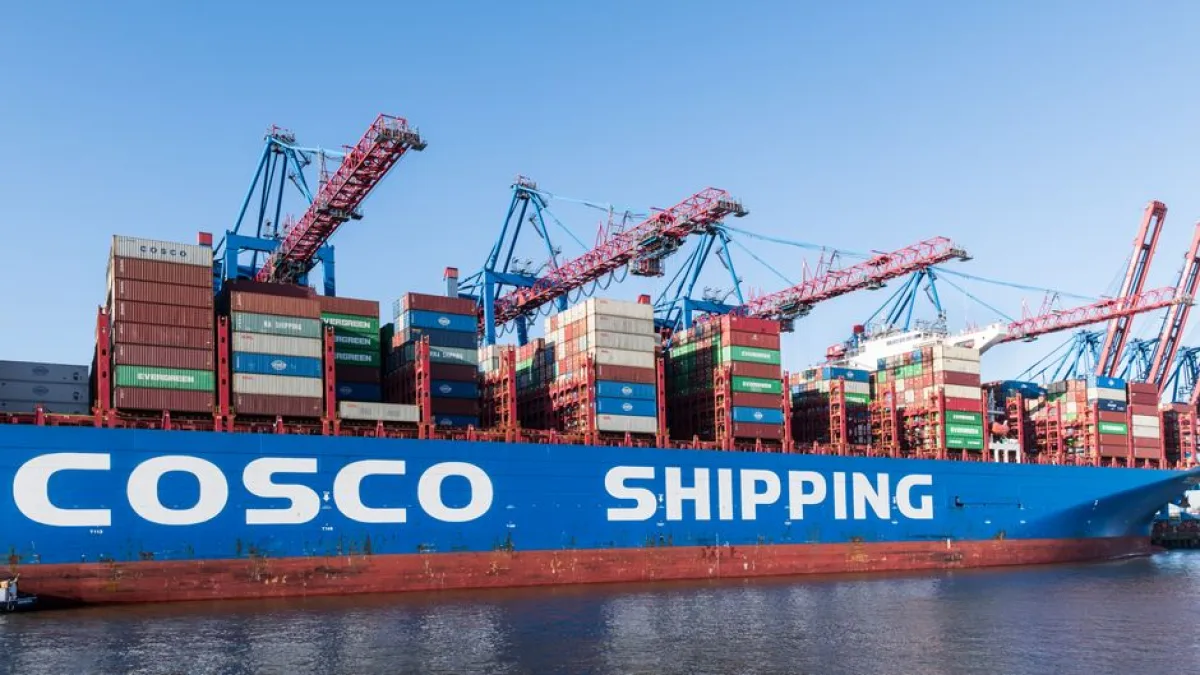
Centralizing data within a single platform eliminates the common issue of siloed information across different departments. By integrating every shipment detail into one interface, teams can access accurate, real-time updates without having to toggle between disconnected software applications or legacy systems.
- Single data source: By consolidating all shipment information in one location, employees avoid data discrepancies and save time on manual entry tasks while ensuring accuracy across every individual shipment.
- Real-time visibility: Providing instant access to live tracking status updates allows logistics managers to make informed decisions faster when unexpected delays or route changes happen during transit.
- Automated record keeping: Digital document management systems store all bills of lading, invoices, and customs documents securely, making audits and retrieval processes incredibly simple for your operational staff.
- Improved team collaboration: When everyone works from the same set of data, communication becomes more seamless, reducing internal friction and ensuring that every stakeholder is fully aligned daily.
When you unify your data streams, the operational benefits ripple across your entire organization immediately. By removing the friction of manual data entry, your staff can focus on high-value tasks like customer service and strategic growth. This architectural shift creates a robust foundation that supports long-term stability and empowers your team to handle larger volumes of cargo without increasing your overall overhead costs.
Automating Manual Documentation

Paper based documentation remains one of the largest bottlenecks in global trade today. Automating these repetitive tasks using cloud software significantly reduces human error and accelerates the overall transit speed of cargo across various international borders and customs checkpoints.
- Reduced human error: Automated data extraction tools read key documents and input details directly into the system, which prevents the common mistakes associated with manual typing and formatting.
- Faster custom filing: Digital platforms can automatically populate necessary forms for customs authorities, significantly reducing the waiting times and bureaucratic hurdles often found at port entries globally.
- Standardized document templates: Using consistent digital templates ensures that every invoice and manifest is perfectly structured, which helps in passing regulatory checks much more quickly and reliably.
- Secure cloud storage: Moving sensitive shipping documentation to the cloud guarantees that vital records are always backed up and available to authorized users from any location worldwide.
By shifting to digital documentation, forwarders reclaim thousands of hours annually that were previously spent on tedious administrative work. This level of automation does not just save time, it also elevates the professional standard of your operations. Clients expect digital precision and these improvements ensure that you meet those demands consistently while reducing the risk of costly administrative delays during the shipping cycle.
Enhancing Carrier Communication
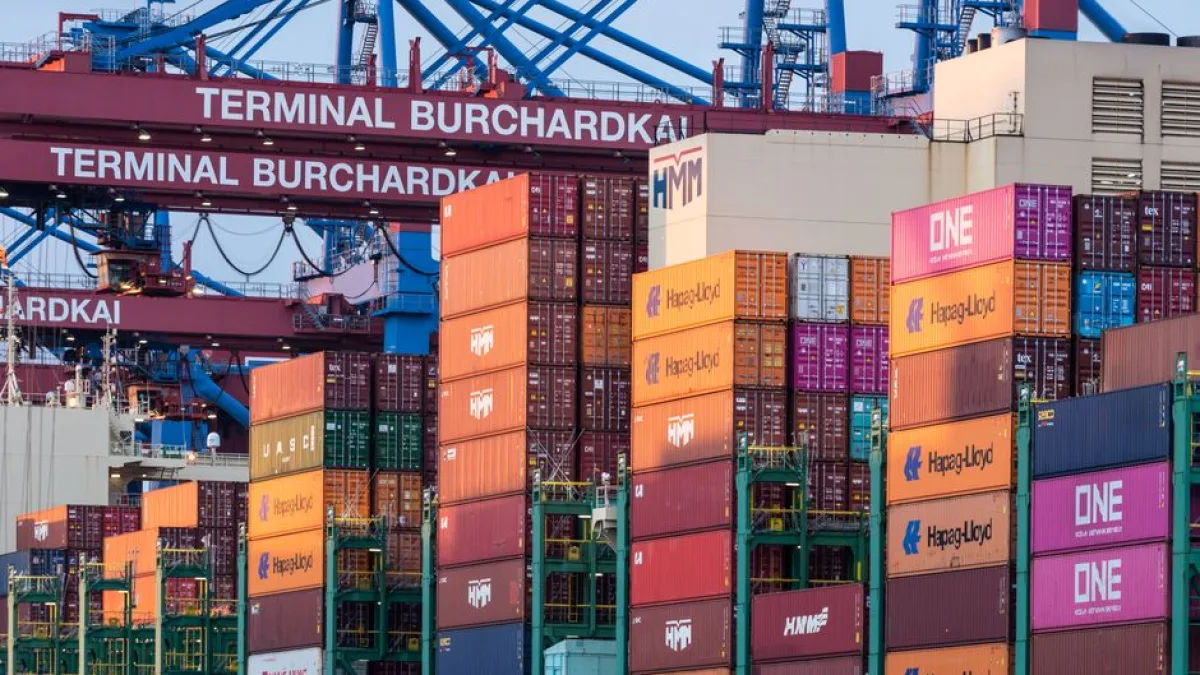
Clear communication with carriers is essential for seamless freight operations. When you utilize cloud platforms to manage these relationships, you ensure that every update regarding space allocation or pricing is communicated clearly to avoid costly misunderstandings or shipment delays.
- Streamlined carrier portals: Dedicated portals allow your carriers to submit quotes and vessel schedules directly into your system, creating a transparent and efficient two way digital flow.
- Automated status notifications: Your system can push automated alerts to carriers to confirm pick up times or delivery windows, ensuring that both parties remain on the same page.
- Consistent rate management: Digital freight platforms allow you to compare carrier rates in real time, helping your team choose the most cost effective shipping options for clients.
- Instant messaging features: Integrated chat functions tied to specific shipments keep all communication logs in one place, which prevents vital information from being buried in endless emails.
Strong communication protocols turn standard carrier interactions into strategic partnerships that drive value for your customers. By leveraging digital tools to manage these relationships, you create a responsive operational environment where issues are resolved before they escalate. This focus on clear and instant communication ensures that your freight forwarder firm remains reliable, builds stronger trust with your partners, and secures long-term business growth.
Scaling Through Cloud Systems

Scalability requires infrastructure that grows alongside your business requirements. Cloud based freight software provides the elasticity needed to handle fluctuating volumes, allowing your team to scale operations up or down without needing significant capital investments in hardware or local infrastructure.
- Flexible resource allocation: Cloud platforms scale effortlessly to accommodate your seasonal shipping spikes, ensuring that your software performance remains stable even during the busiest peak trade periods.
- Global remote access: Your logistics team can manage global operations from any office or remote location, providing the flexibility needed to operate in a modern work environment.
- Automatic software updates: The platform updates automatically to reflect new regulations or features, so your team always uses the latest version without requiring manual software maintenance cycles.
- Cost effective pricing: Cloud subscriptions are generally more affordable than installing on site servers, making high end technology accessible to both smaller firms and large established companies.
Transitioning to cloud based systems provides a competitive edge that is essential in the fast moving logistics sector. It allows your freight forwarding company to focus on scaling and customer acquisition rather than worrying about the underlying technical limitations. With a cloud first approach, you maintain the agility to pivot your business strategy based on market trends while keeping operational overhead lean and efficient.
Conclusion

Optimizing your freight operations is a continuous journey that begins with the right technology choices. By centralizing data, automating documentation, improving carrier communication, and scaling via the cloud, your firm can achieve unprecedented efficiency. Embrace these digital tools today to enhance your service quality and provide superior value to your clients. Start your transformation with MakeCargo to simplify your freight management operations today.