Optimizing Operations: The Strategic Role of Cloud Integrations in Freight Forwarding
Monday, September 21 2026
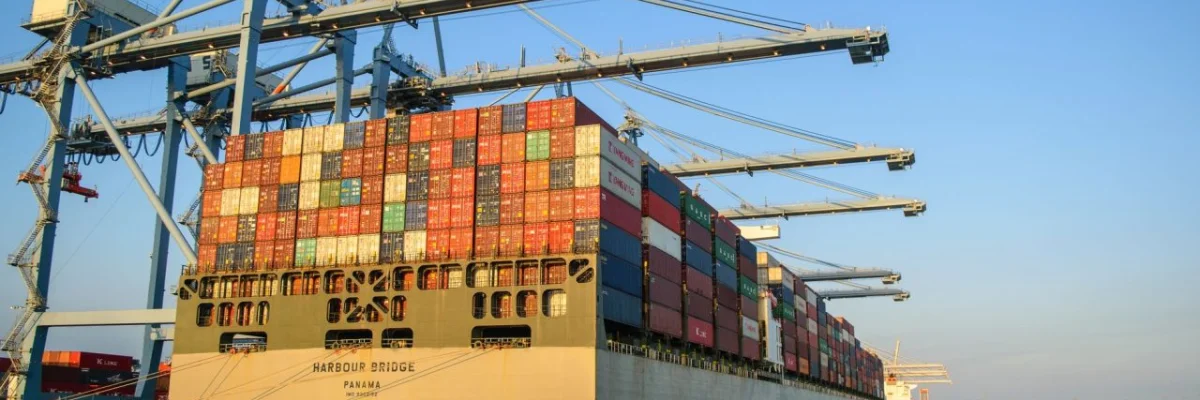
The global logistics landscape is undergoing a massive transformation where digital connectivity has transitioned from a luxury to a baseline requirement for survival. Freight forwarders are managing increasingly complex supply chains that demand real-time visibility, instant communication, and seamless data exchange between disparate stakeholders. By leveraging cloud-based platforms, professionals can now bridge the gap between carriers, shippers, and customs authorities with unprecedented speed. This article explores how strategic software integrations serve as the backbone for modern logistics, enabling forwarders to reduce manual errors, accelerate document processing, and drive significant operational efficiency across their entire international trade business model.
Unified Data Ecosystems

Connecting fragmented data sources into a single cloud environment allows teams to view the entire supply chain from one screen. This digital synchronization eliminates the need for manual spreadsheet updates and ensures that all departments operate using identical, accurate shipment records.
- Seamless API Connectivity: Modern cloud platforms use robust APIs to talk directly with shipping lines and customs systems to ensure data flows without requiring manual re-entry or human intervention.
- Centralized Documentation Storage: Maintaining all digital bills of lading and commercial invoices in one secure location prevents loss and ensures that teams access only the most current version.
- Automated Workflow Sync: Synchronizing tasks between logistics coordinators and accounting departments ensures that billing cycles trigger immediately upon shipment delivery, thereby improving overall company cash flow performance.
- Enhanced Visibility Tools: Integrating tracking data directly into the platform provides stakeholders with instant updates regarding shipment status without needing to visit multiple carrier portals or external websites.
- Collaborative Stakeholder Portals: Providing shippers with secure access to view their own freight status reduces inbound email inquiries and boosts client satisfaction through transparent, self-service information sharing systems.
Establishing a unified ecosystem changes how your staff interacts with daily tasks. When information is no longer siloed, your team can pivot away from repetitive data entry and focus instead on high-value client relationship management. This shift not only reduces burnout among logistics coordinators but also creates a scalable framework that supports organizational growth without necessitating a proportional increase in administrative head count.
Real-Time Tracking Capabilities
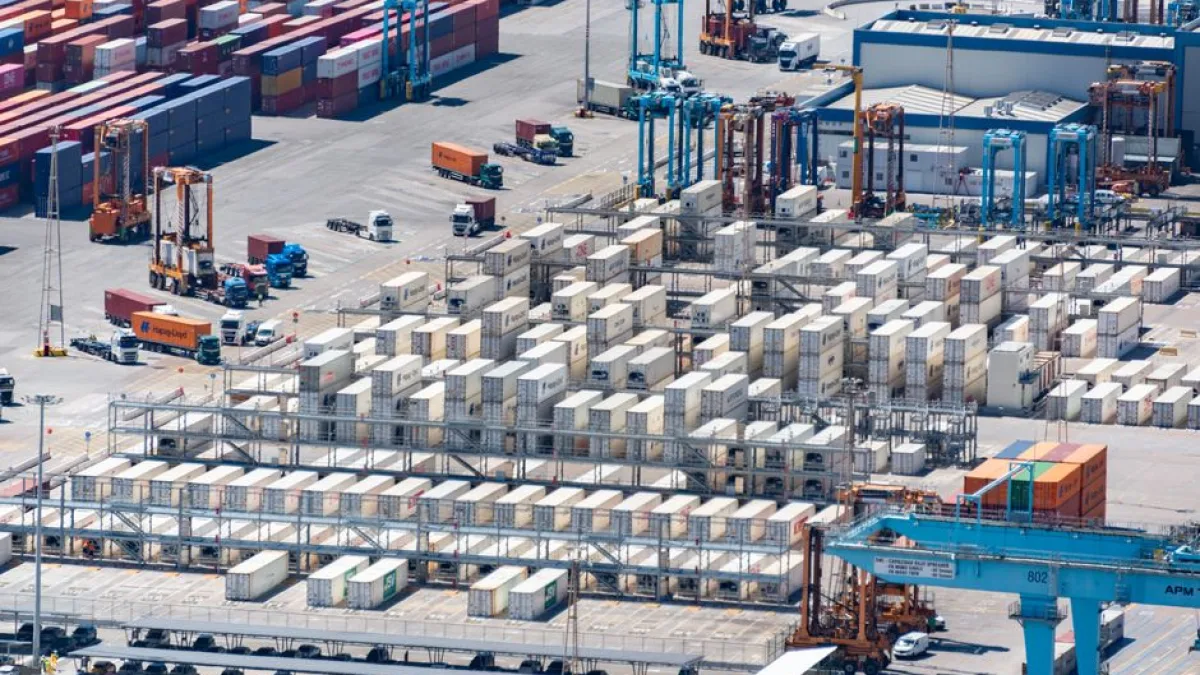
Real-time tracking provides a competitive advantage by transforming shipment updates into actionable insights. By integrating GPS and carrier status updates into your management software, you can proactively manage exceptions before they become costly service failures for your global logistics clients.
- Instant Status Alerts: Automated notifications keep your team informed about every milestone, allowing for rapid communication if a shipment encounters an unexpected delay at a major terminal.
- Carrier Portal Integration: Connecting directly to major shipping line databases pulls real-time tracking events into your dashboard, eliminating the need to manually check status updates across websites.
- Predictive Delay Mitigation: Analyzing live tracking data helps your dispatch team forecast potential bottlenecks, allowing you to suggest alternative routing options to shippers well before delivery deadlines.
- Dynamic Milestone Monitoring: Mapping arrival times against predefined schedules allows software to flag discrepancies, ensuring that your team can address container movement issues with precision and speed.
- Transparency For Shippers: Sharing live tracking links directly with customers builds immense trust, as they can monitor their cargo progress without waiting for a manual email update.
Adopting advanced tracking capabilities ensures your operations remain resilient against unforeseen logistical challenges. By converting passive status data into active notifications, you move from being a reactive service provider to a proactive logistics partner. This maturity in your service offering strengthens client retention and positions your forwarding business as a sophisticated operator capable of handling complex cargo requirements with reliable precision.
Automated Compliance Management

Navigating international trade regulations requires extreme precision. Cloud software automates the compliance process by validating data against customs databases, ensuring that your documentation meets legal standards for every country of import and export throughout the global supply chain.
- Automated Tariff Classification: Intelligent software tools suggest correct HS codes based on item descriptions, minimizing the risk of customs penalties resulting from incorrect tariff filings or descriptions.
- Real-Time Regulatory Updates: Integration with global trade intelligence databases ensures your team always works with the latest duty rates and changing import requirements for various regions.
- Electronic Document Filing: Filing manifests and declarations directly through the platform speeds up the customs clearance process and reduces the reliance on paper-heavy manual submission methods.
- Risk Mitigation Safeguards: Built-in validation checks flag missing mandatory data fields during document preparation, preventing shipments from being held at borders due to simple clerical or administrative errors.
- Audit Trail Integrity: Maintaining a comprehensive digital history of every compliance filing provides peace of mind during internal reviews or government-led audits of your forwarding firm.
Reducing manual compliance tasks protects your company from fines and prevents expensive cargo delays. By automating the validation of customs paperwork, you ensure that every export is compliant and ready for rapid clearance. This commitment to accuracy builds your reputation as a reliable and professional freight forwarder, which is essential for winning larger enterprise contracts that demand rigorous adherence to international trade laws.
Scalable Financial Operations

Integrating financial tools into your logistics platform ensures that accounting accurately reflects operational reality. This connection bridges the gap between completed shipments and processed invoices, ensuring that your business maintains healthy cash flow and remains profitable even during periods of heavy volume.
- Instant Invoice Generation: Triggering invoices automatically when shipments reach key milestones speeds up the billing process, reducing the days sales outstanding for your logistics company quite significantly.
- Currency Conversion Automation: Handling multi-currency invoicing with real-time exchange rates protects your margins from volatility, ensuring accurate billing regardless of the international trade lanes being utilized daily.
- Detailed Profitability Reports: Analyzing the cost of every shipment relative to the revenue generated allows your management team to identify high-margin lanes versus underperforming business segments quickly.
- Supplier Payment Integration: Managing vendor payouts within the same system used for client billing creates a seamless loop that simplifies reconciliation tasks for your dedicated accounting team.
- Tax Compliance Accuracy: Applying correct regional tax rules to every invoice ensures that your accounts are always in balance and prepared for local government tax filing requirements.
Financial integration is the final piece of a truly digital freight forwarding business. When your operational and financial systems communicate perfectly, your management team gains a clear view of business health at any moment. This clarity empowers you to make data-driven decisions that improve profitability, optimize overhead costs, and prepare your logistics organization for future expansions into new and profitable global markets.
Conclusion

Integrating cloud technologies is no longer an optional path for freight forwarders. By centralizing data, automating compliance, and synchronizing financial records, you create a robust foundation for sustainable business growth. Modern software solutions from platforms like MakeCargo empower your team to focus on strategy rather than paperwork. Start your digital transformation today to remain competitive and deliver exceptional service to your logistics clients.