Optimizing Freight Operations with Cloud Software
Saturday, September 26 2026

The modern logistics landscape demands unprecedented speed and transparency to keep global supply chains moving efficiently. Freight forwarders often struggle with fragmented communication and manual data entry processes that lead to costly errors and shipment delays. By transitioning to a robust, cloud-based platform, businesses can centralize their operations, automate repetitive tasks, and provide real-time visibility to all stakeholders. This shift not only reduces overhead costs but also empowers teams to focus on strategic growth and customer satisfaction. Adopting the right digital tools is no longer a luxury but a fundamental necessity for staying competitive in today-s fast-paced international shipping market.
Automating Documentation Workflows

Automating your documentation is the first step toward reclaiming lost hours. By digitizing paperwork, you eliminate the risk of manual typos while ensuring that all your compliance records remain secure and easily accessible within the cloud interface for quick retrieval.
- Instant Document Creation: Generate essential shipping forms automatically using existing booking data to save time and reduce the potential for human error in critical export or import documentation.
- Centralized Record Storage: Maintain a secure cloud repository for every shipment file so your team can access vital documents from anywhere in the world without any physical delays.
- Real-time Compliance Checks: Use automated validation tools to ensure that every document meets international customs requirements before submission, which helps to avoid expensive fines and border detentions.
- Seamless File Sharing: Send invoices and bills of lading to clients instantly via integrated portals, ensuring that communication remains fast and professional throughout the entire lifecycle of shipping.
Transitioning away from manual paper processes enables your team to process higher volumes of cargo with greater accuracy. When documentation flows smoothly, your staff can dedicate their efforts to resolving complex logistics challenges rather than wrestling with spreadsheets. This transition represents a significant upgrade in operational efficiency that directly impacts the bottom line, allowing your business to scale operations effectively during busy seasonal demand periods.
Enhancing Real-time Shipment Tracking
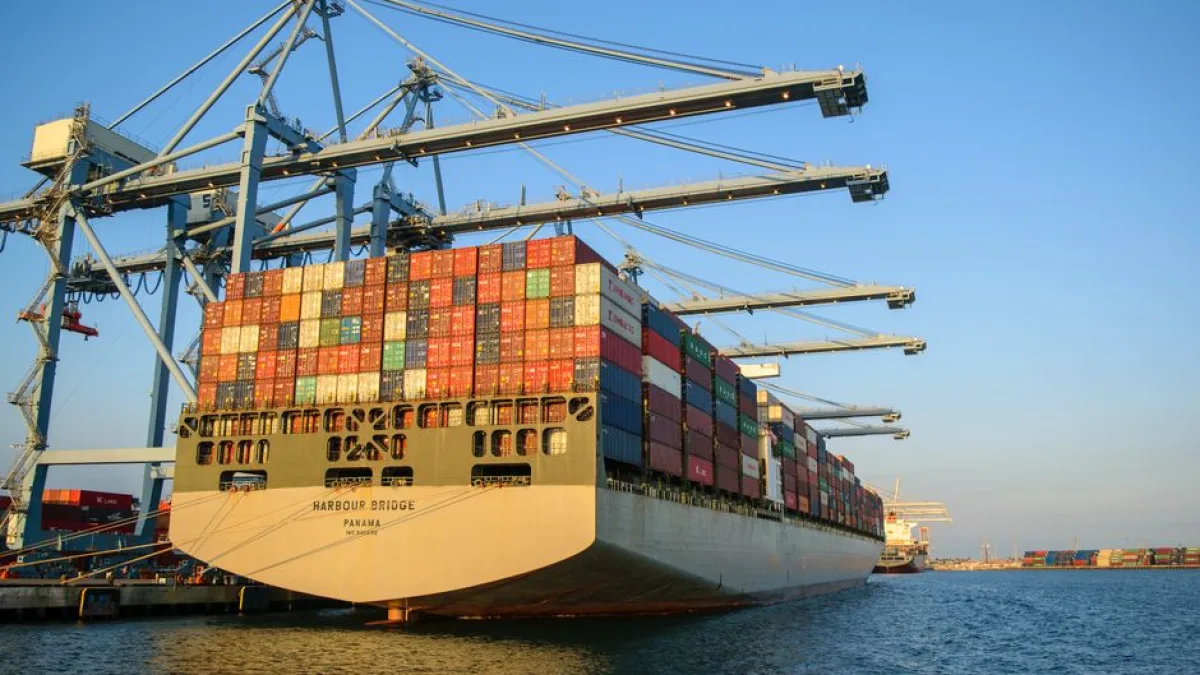
Providing clients with accurate shipment data builds trust and reinforces your reliability as a partner. Modern cloud platforms integrate with carrier APIs to deliver live status updates directly to a dashboard, keeping all parties informed about their exact cargo locations.
- Live Carrier Integration: Connect directly to major shipping lines and airlines to retrieve accurate status updates, eliminating the need to manually email carriers for basic shipment tracking information.
- Client Visibility Portals: Give your customers secure access to a branded portal where they can track their cargo independently, which significantly reduces the volume of status inquiries.
- Automated Status Alerts: Configure the software to trigger automatic email or SMS notifications for clients whenever a milestone is reached, keeping them updated without any extra manual effort.
- Exception Management Alerts: Receive instant notifications when a shipment faces a delay or unexpected issue, allowing your team to proactively communicate solutions before the client becomes frustrated.
Proactive tracking is the gold standard for maintaining long-term client relationships in the freight industry. When you anticipate problems and provide clear, current data, your firm stands out from competitors who rely on reactive communication. This high level of transparency fosters loyalty and encourages repeat business, as customers appreciate the reliability and clear updates provided throughout the entire transport process from door to door.
Streamlining Internal Team Communication

Communication breakdowns often occur when teams rely on scattered emails to manage complex logistics projects. Centralizing discussions within a cloud-based software platform ensures that every stakeholder has access to the latest updates, reducing confusion and preventing costly misalignments during critical freight movements.
- Centralized Discussion Threads: Attach project-specific notes directly to shipment profiles so that every team member can view the full history of the file without digging through deep emails.
- Task Assignment Tools: Assign specific responsibilities to individual team members within the platform, ensuring clear accountability and preventing tasks from slipping through the cracks during busy shifts.
- Integrated Messaging Features: Use built-in chat tools to discuss urgent changes with partners, keeping all project communication contained within a single secure environment instead of external apps.
- Unified Notification Center: View all updates and required actions in one consolidated feed, allowing staff to prioritize their daily workloads based on urgent client or carrier needs.
Effective internal communication creates a cohesive operational environment where information flows freely and accurately. By removing silos, your organization can respond to market fluctuations or client requests with remarkable agility. When your team works from the same source of truth, productivity increases and stress levels drop, leading to a much better experience for both your employees and the valued customers they serve daily.
Leveraging Advanced Data Analytics

Data is the most valuable asset in the logistics sector when interpreted correctly. Advanced analytics allow you to track performance metrics, identify bottlenecks, and make informed decisions that drive profitability and help you refine your overall freight strategy for long-term growth.
- Performance Metric Dashboards: Visualize key performance indicators like carrier reliability and average transit times, helping you identify which partners provide the best value for your specific shipping routes.
- Cost Analysis Reports: Monitor your spending across various routes and modes of transport to uncover potential savings or identify areas where your freight budget is being stretched thin.
- Predictive Capacity Planning: Analyze historical volume trends to predict upcoming demand, ensuring you secure the necessary space with carriers well in advance of peak season shipping surges.
- Profitability Tracking Tools: Calculate the net margin on every shipment to ensure that your pricing strategies remain competitive while also protecting your essential profit goals and targets.
Data-driven decisions remove the guesswork from freight forwarding and provide a firm foundation for strategic planning. As you refine your processes based on real evidence, you will find it much easier to negotiate better rates with carriers and identify new opportunities for expansion. Continuous improvement through analytics ensures that your business stays relevant and highly profitable in an ever-evolving global trade market.
Conclusion
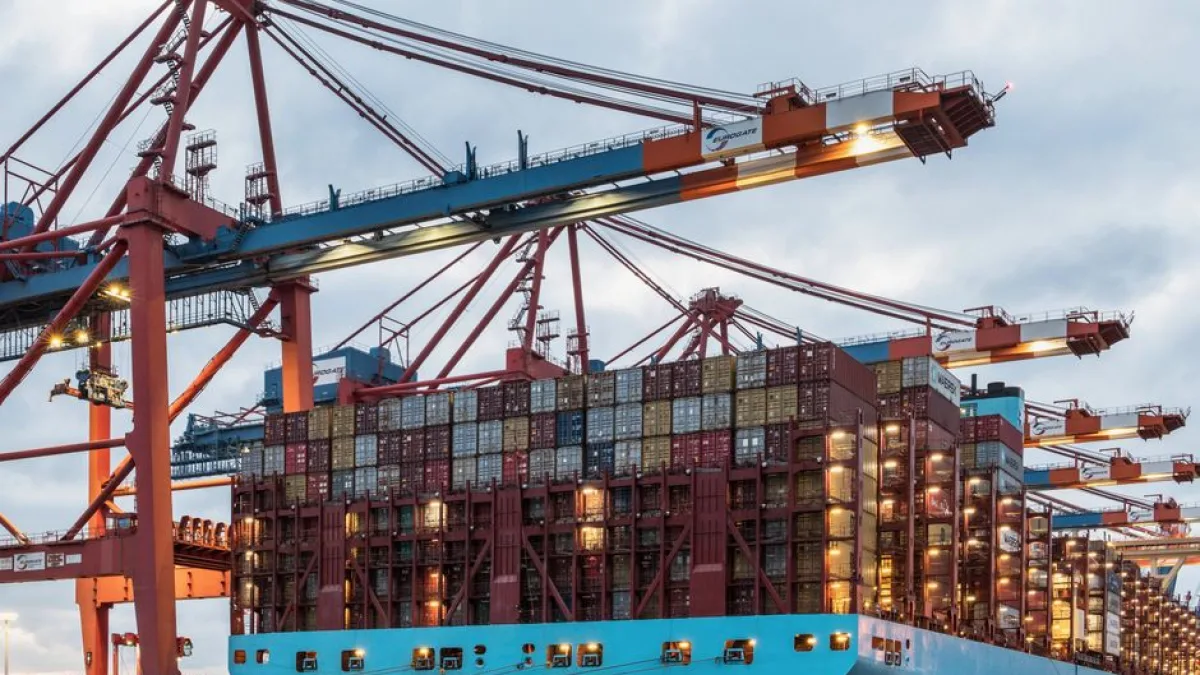
Adopting a cloud-based platform is the definitive step toward modernizing your freight forwarding operations. By automating workflows, improving tracking, and utilizing data analytics, you build a resilient business ready for future challenges. Focus on integrating these best practices to drive efficiency and deliver superior value to your clients. Start your digital transformation journey today and watch your operational performance reach new and impressive heights.