Optimizing Freight Operations with Cloud Software
Tuesday, October 27 2026

Modern freight forwarding requires a delicate balance of speed, precision, and transparency to stay competitive in a volatile global market. As supply chain complexities increase, reliance on legacy systems or manual spreadsheets often leads to data silos and costly communication delays. Forwarding professionals are increasingly turning to cloud-based platforms to unify their workflows, automate repetitive tasks, and provide real-time visibility to stakeholders. By leveraging integrated digital tools, firms can reclaim lost time, reduce human error, and focus on delivering high-value logistics services. Embracing this technological evolution is no longer an optional upgrade but a core requirement for sustainable business growth.
Automating Documentation Processes

Managing global shipments generates an overwhelming volume of paperwork that requires constant attention. Digital automation transforms these manual tasks into streamlined workflows, ensuring that bills of lading and commercial invoices are processed accurately while significantly reducing time spent on administrative entry work.
- Instant Data Extraction: Advanced optical character recognition tools pull vital information from uploaded documents directly into your system to eliminate manual keyboard input errors and save hours every single day.
- Standardized Document Templates: Pre-configured professional templates ensure that all outgoing correspondence maintains brand consistency while meeting strict regulatory requirements for various international ports and customs authorities globally.
- Automated Validation Rules: Smart software settings automatically flag missing fields or invalid data formats before submission to prevent costly customs hold-ups or potential penalties at the destination border.
- Centralized Document Storage: Secure cloud storage provides your team with instant access to every historical document from a unified dashboard, ensuring compliance during audits without manual paper filing.
Adopting automated documentation workflows allows your team to shift their focus from tedious data entry to high-level customer service and complex logistics planning. When software handles the repetitive nuances of regulatory paperwork, you mitigate the risk of human error that frequently causes shipment delays. This shift in operational focus empowers your staff to resolve exceptions faster, creating a more professional and reliable experience for every client.
Enhancing Shipment Tracking Visibility

Real-time visibility is the cornerstone of modern logistics, allowing forwarders to provide proactive updates to customers. Integrating direct carrier feeds into your management platform offers a clear view of cargo status, reducing the need for constant manual status inquiries.
- Real-Time Tracking Updates: Automated integration with shipping lines provides live status milestones directly into your operations dashboard to eliminate the need for manual check-ins with vessel carriers.
- Proactive Exception Alerts: Intelligent notifications warn your operations team about potential delays before they happen, allowing for quick adjustments to routing or communication strategies with stakeholders involved.
- Customer Transparency Portals: Dedicated client access allows shippers to view their own cargo progress in real-time, which reduces the volume of status update emails and phone calls.
- Predictive Arrival Timing: Advanced algorithms analyze historical transit data to provide more accurate estimated arrival times for your clients, enhancing trust and planning capabilities for your partners.
Providing exceptional visibility is what separates industry leaders from average service providers in the modern shipping landscape. By arming your customers with accurate, real-time data, you transform your operations from a reactive service into a strategic logistics partner. This transparency minimizes client frustration while building long-term loyalty, proving that your firm is equipped with the necessary technology to handle any global supply chain disruption.
Managing Carrier Relationships Efficiently

Effective carrier management relies on maintaining accurate performance data and seamless communication channels. Cloud-based platforms offer a centralized space to evaluate carrier reliability, negotiate rates, and manage bookings, ensuring that your company always secures the best service for every shipment.
- Performance Analytics Dashboards: Track carrier punctuality and service quality through detailed visual reports to identify which partners provide the best value and reliability for your specific trade routes.
- Simplified Booking Management: Submit bookings directly through your integrated software interface to reduce time spent on carrier portals and ensure that all shipment details remain perfectly synchronized.
- Rate Negotiation Tools: Centralize your procurement data to compare quotes and historical pricing trends, helping your team secure more favorable shipping rates for your regular customer volumes.
- Instant Communication Logs: Maintain a complete history of all interactions with your carrier representatives in one place, ensuring that nothing is lost in email chains or missed messages.
Optimizing carrier relationships is about utilizing data to make smarter business decisions regarding your supply chain partners. When you have access to clear performance metrics and streamlined communication, you can hold carriers accountable while maintaining profitable service levels for your clients. This data-driven approach simplifies the procurement process, allowing your firm to stay agile and negotiate with confidence during peak market periods.
Scaling Operations Through Integration

As your business grows, the ability to scale your operations without increasing headcount is vital for profitability. Software integration allows different departments to work in harmony, sharing data across the entire organization to eliminate silos and create a unified freight operation.
- Seamless Accounting Sync: Eliminate double entry by automatically pushing shipment data directly into your accounting software to ensure that invoicing is always accurate and paid on time.
- Unified Operational Workflow: Connect every phase of the shipping process from booking to final delivery within a single platform to keep all departments updated on current progress.
- User Access Management: Assign specific permissions and responsibilities within your software to maintain data security while ensuring that every team member has the tools they need.
- Scalable Cloud Infrastructure: Expand your branch offices or remote teams easily with a cloud platform that supports multiple locations without the need for expensive on-site server hardware.
Scaling your operations effectively requires a foundation built on connectivity and shared information across your business units. By breaking down internal silos, you ensure that your sales, operations, and finance teams are always aligned on every active shipment. This organizational synergy allows your firm to handle increased volume with consistent quality, positioning you for sustainable long-term success in the competitive freight forwarding sector.
Conclusion
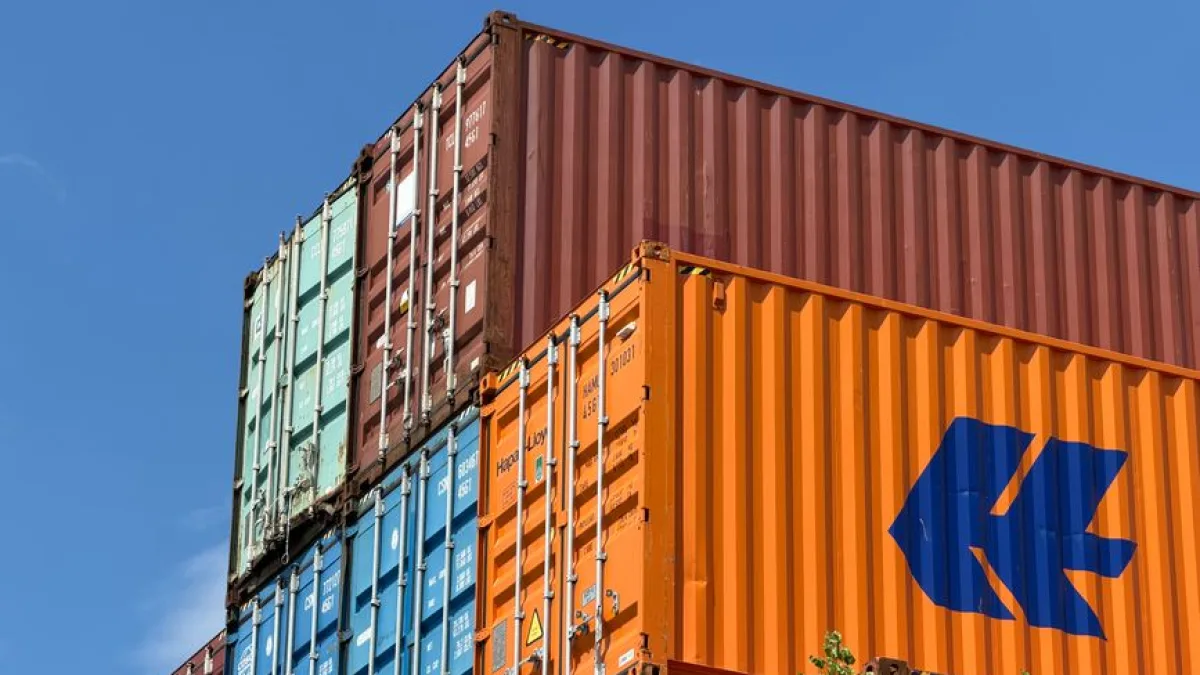
Integrating modern software solutions into your daily operations is the most effective way to improve efficiency and maintain a competitive edge. By automating manual processes, enhancing shipment visibility, and connecting your global team, you create a robust workflow capable of handling any logistics challenge. Embrace these cloud-based technologies today to simplify your operations, delight your customers, and prepare your freight forwarding business for the future.