Optimizing Freight Operations with Digital Automation
Friday, September 4 2026

The global logistics landscape is undergoing a massive transformation driven by the rapid adoption of cloud-based technology. Freight forwarders must navigate increasing complexity, tight margins, and rising customer expectations for real-time visibility. By moving away from manual data entry and fragmented spreadsheets, professionals can reclaim valuable time and minimize costly errors in their daily workflows. Embracing integrated software platforms allows teams to centralize communication and streamline documentation processes effectively. This shift is not just about keeping pace with modern industry standards but about creating a scalable foundation that empowers businesses to thrive amidst shifting international trade conditions and demands.
Mastering Automated Documentation

Streamlining paperwork is the most significant opportunity for forwarders to boost overall productivity levels. Automating the generation of bills of lading and commercial invoices reduces the risk of human error and ensures compliance across all international shipping borders effectively.
- Reduced manual entry: Implementing software tools that automatically populate shipping forms from existing shipment data significantly cuts down on repetitive tasks while ensuring high levels of document data accuracy.
- Standardized data fields: Establishing uniform templates for all transport documents ensures that your team maintains consistent branding and professional communication standards throughout every client interaction or transaction process.
- Instant document sharing: Cloud systems enable teams to share finalized paperwork with carriers and customs brokers instantly, eliminating delays caused by traditional email chains or physical document courier services.
- Digital audit trails: Maintaining a comprehensive log of every document revision provides complete transparency and simplifies the process of resolving disputes or audits regarding international cargo shipping compliance.
- Compliance validation checks: Advanced software platforms automatically flag missing information or regulatory errors before submission, preventing costly customs holdups and potential fines during the complex transit process.
By digitizing your documentation workflow, you create a seamless environment where information moves faster than the cargo itself. Forwarders who prioritize digital accuracy reduce administrative overhead while improving the customer experience through faster processing times. This foundational improvement allows staff to focus on higher value tasks like business development and strategic planning instead of being buried under endless piles of paperwork every day.
Enhancing Shipment Visibility
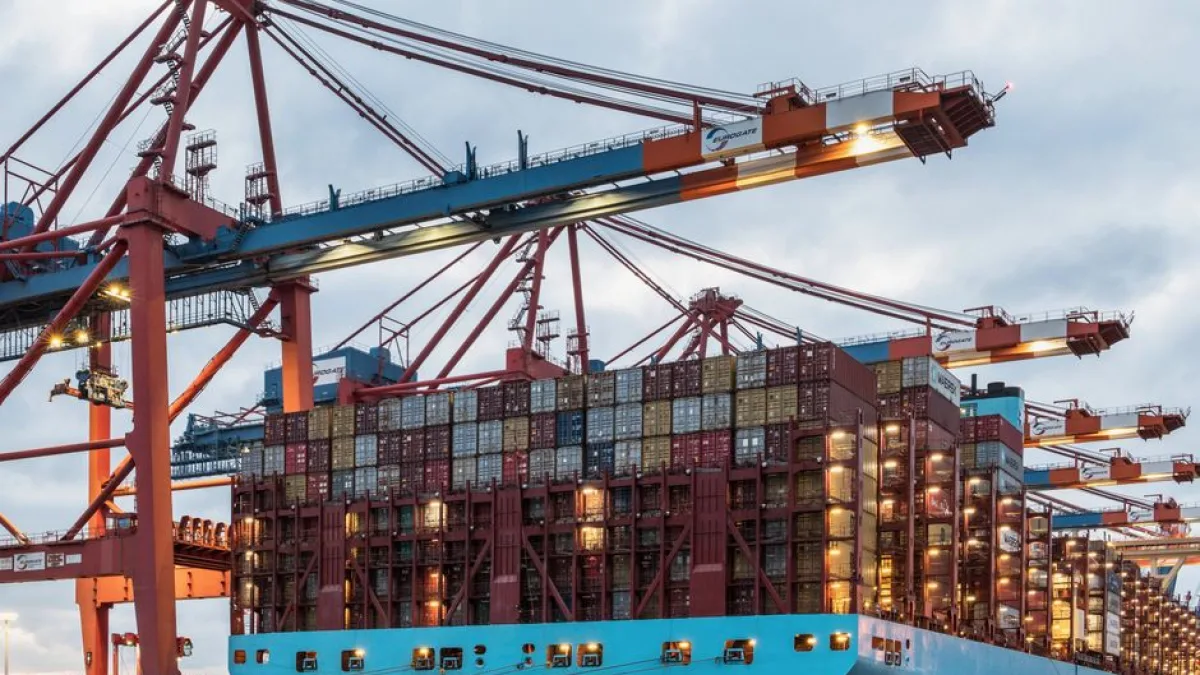
Customers today demand real-time transparency regarding the status of their cargo as it moves across the globe. Providing proactive updates through automated tracking features builds immense trust and long-term loyalty with your clients while reducing incoming customer inquiries.
- Automated status updates: Setting up system triggers that notify clients automatically when their cargo hits specific milestones keeps them informed without requiring manual intervention from your office staff.
- Interactive client portals: Providing customers with secure access to a self-service platform allows them to view current shipment statuses and download documents whenever they need them urgently.
- Real-time carrier integration: Connecting your software directly with shipping lines and trucking fleets ensures that your data reflects the latest status updates without any significant time delays.
- Proactive exception alerts: Intelligent systems notify your operations team immediately when a delay occurs, allowing you to inform customers early and present alternative routing solutions before problems escalate.
- Historical data analytics: Tracking performance metrics over time helps you identify which carriers are consistently meeting deadlines, enabling better decision making for future logistics service provider selections.
Visibility is the new currency in the freight forwarding industry. When you offer clear insights into the movement of goods, you differentiate your company from competitors who still rely on manual email updates. This level of clarity empowers your clients to manage their supply chains more effectively, which in turn reinforces your position as a trusted and reliable logistics partner for their business.
Streamlining Carrier Coordination
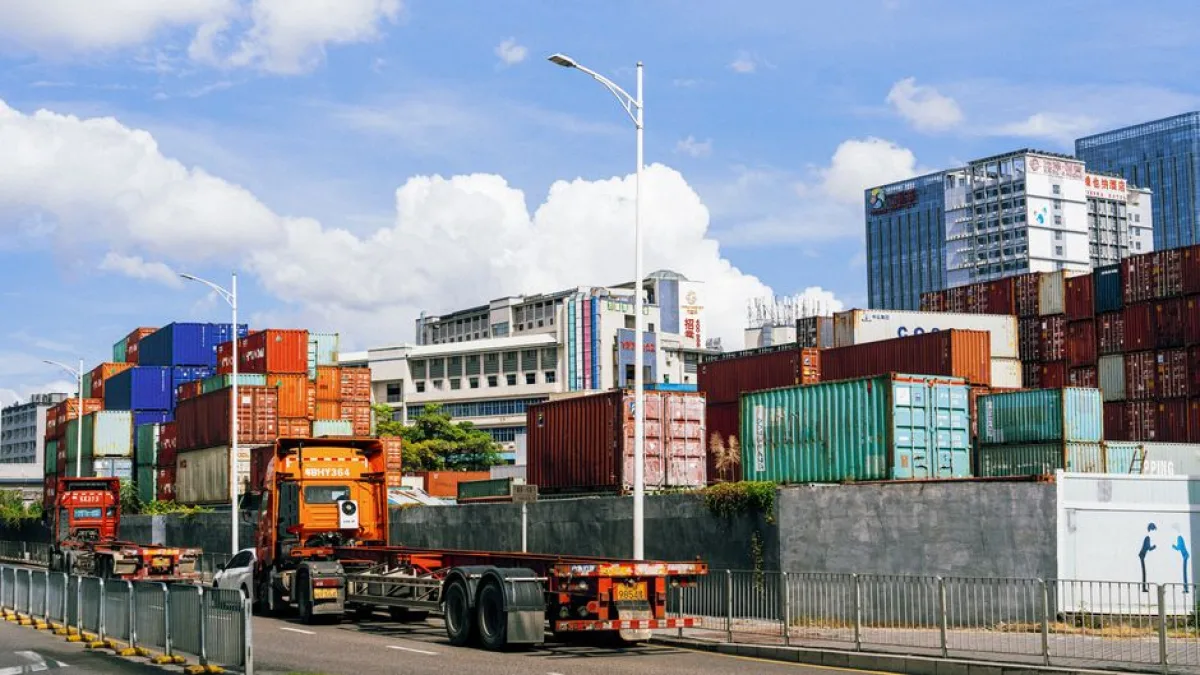
Effective collaboration with carriers is essential for maintaining smooth supply chain operations and avoiding miscommunications. Utilizing centralized communication tools allows you to manage multiple partnerships efficiently while keeping every stakeholder aligned with the project goals and delivery schedules.
- Centralized communication logs: Keeping all carrier correspondence within the shipment file ensures that your team has a clear history of agreements and instructions for every single load.
- Automated rate management: Digitizing your rate database allows for quick comparisons between different service providers, helping you select the most cost-effective and efficient options for your cargo.
- Streamlined booking processes: Sending automated booking requests to your network of carriers saves time and reduces the risk of miscommunication during the crucial initial setup of shipments.
- Performance tracking tools: Evaluating carrier reliability based on historical data allows you to optimize your vendor selection process and maintain high service levels for your end customers.
- Seamless rate negotiations: Software tools that provide clear market benchmarks enable your team to negotiate fair rates with carriers, protecting your profit margins in a competitive market.
Optimizing how you coordinate with carriers transforms your operations from a reactive state to a proactive strategic model. When communication is centralized, the potential for errors decreases and the speed of execution increases significantly. By fostering better relationships with reliable partners through technology, you ensure that your shipping operations remain resilient even when faced with unexpected market fluctuations or capacity constraints worldwide.
Scaling Business Operations
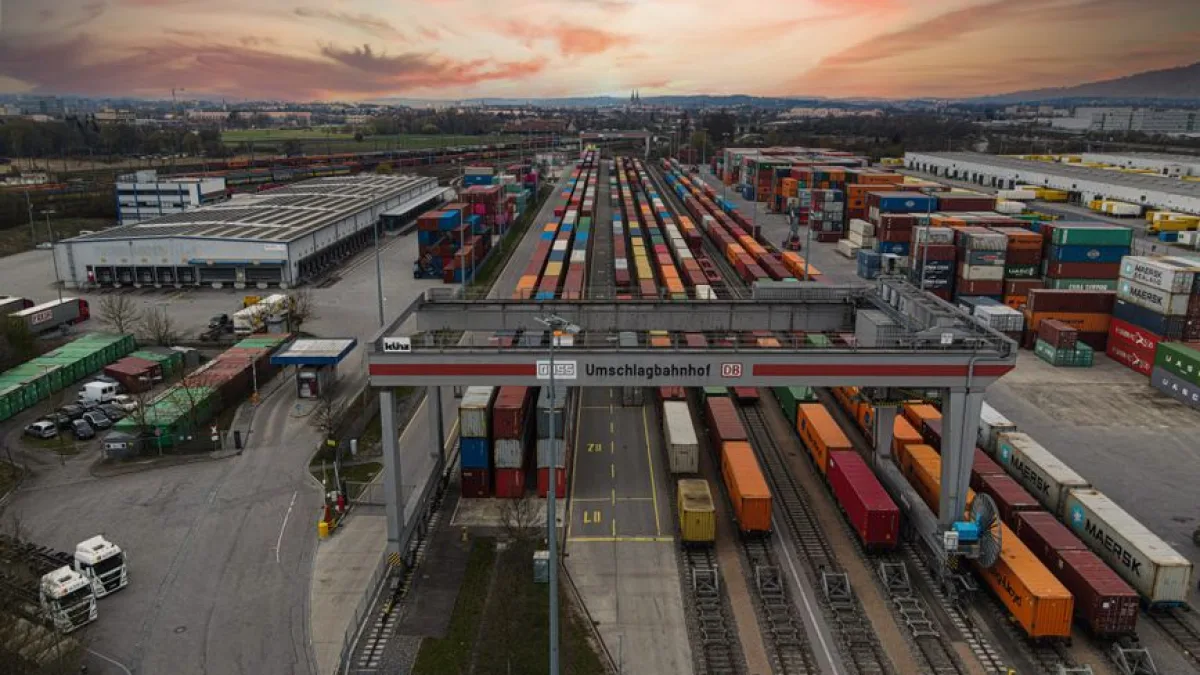
Growth requires a robust system that can handle increased volume without sacrificing quality or service. Leveraging a cloud platform allows you to scale your operations rapidly by standardizing workflows and ensuring that all team members are working from the same reliable data.
- Automated billing cycles: Linking your operational data directly to your accounting software minimizes the time spent on manual invoicing and ensures that you get paid faster.
- Standardized team workflows: Creating uniform operating procedures within your platform ensures that new employees can get up to speed quickly and maintain consistent quality across all.
- Centralized data management: Hosting all shipment information in the cloud allows your team to collaborate effectively from any location, supporting remote work and global office expansion.
- Resource optimization tools: Understanding your team workload through software analytics helps you decide when it is time to hire or redistribute tasks to maintain service quality.
- Seamless platform integrations: Connecting your software with external trade platforms or financial tools creates a cohesive ecosystem that supports business growth and adds functional depth.
Scaling successfully means finding ways to grow your output without doubling your effort. When you rely on automated systems to handle the heavy lifting, your team remains lean and highly efficient regardless of how many shipments you manage each month. Investing in the right tools today ensures that your logistics business remains competitive and profitable as you continue to expand your market footprint.
Conclusion

Optimizing freight operations requires a commitment to digital transformation and consistent process improvement. By automating documentation, enhancing visibility, coordinating with carriers, and scaling your systems, you position your firm for sustained success. Start leveraging these best practices today to simplify your complex workflows. Contact our experts to learn how our platform helps freight forwarders achieve greater efficiency and growth in this market.