Optimizing Freight Operations with Digital Automation Tools
Friday, July 31 2026
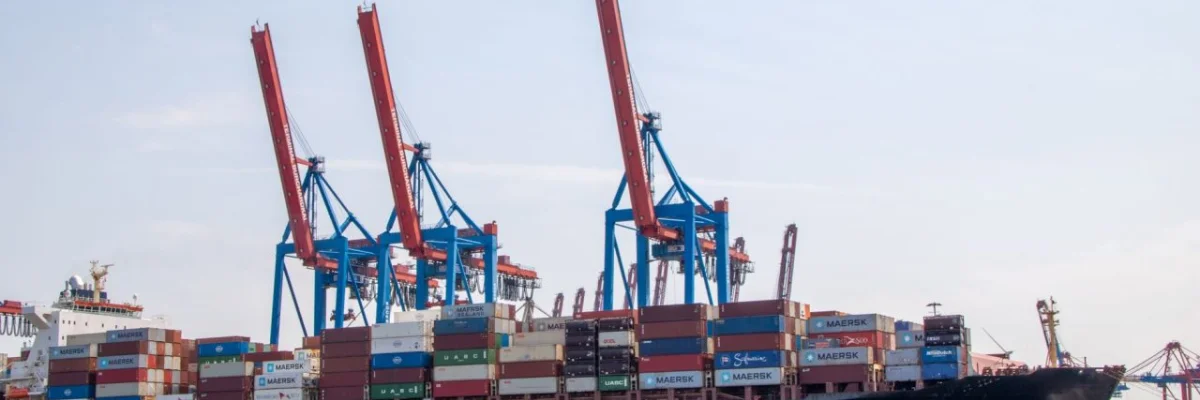
Freight forwarding is a complex industry defined by relentless movement and precise timing. As global supply chains face increasing pressure, professionals must shift from manual record keeping toward centralized cloud solutions. Integrating advanced software allows forwarders to track shipments in real time, minimize documentation errors, and improve client communication. By prioritizing digital transformation, logistics companies can eliminate operational bottlenecks, reduce overhead costs, and build a scalable business model that thrives even during periods of market instability. Embracing modern technology is no longer just an optional competitive advantage, but a fundamental necessity for achieving long-term growth and operational excellence in today's demanding international trade landscape.
Automated Documentation Management

Effective document management ensures that every bill of lading and commercial invoice moves seamlessly through your workflow without unnecessary delays. Automating these manual tasks prevents human error and keeps compliance standards high across every single international shipment you manage.
- Automated Data Entry: Implement systems that pull data directly from shipping documents into your platform, eliminating manual typing errors and saving hours of repetitive work for your documentation team every week.
- Centralized Document Storage: Maintain a secure cloud repository where all shipping files are stored and tagged for instant retrieval, ensuring your team has permanent access to vital customs information.
- Compliance Tracking Alerts: Set automated triggers that notify your staff before critical filing deadlines pass, helping you avoid costly penalties and maintaining strong relationships with global port authorities.
- Version Control Systems: Use software that tracks every modification made to a file, providing a transparent audit trail that protects your company during any potential legal or insurance disputes.
By shifting away from legacy paper-based systems, your team will experience significant gains in daily productivity and document accuracy. Moving to cloud-based storage means your staff can access critical files from any location, fostering better collaboration during complex transit scenarios. These operational improvements reduce internal friction and ensure that your freight business remains agile and responsive to the needs of international clients.
Real-Time Cargo Tracking
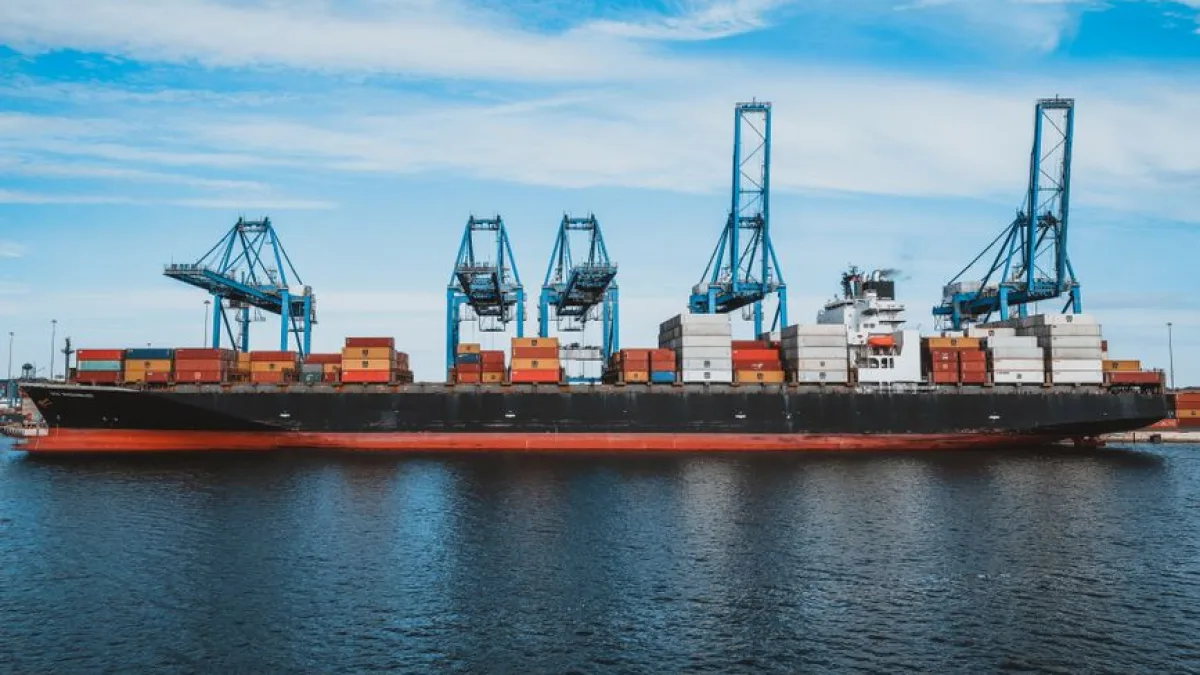
Providing customers with live updates transforms the shipping experience from a vague process into a transparent service. Visibility is the primary driver of customer trust, as clients demand to know exactly where their high-value goods are located during transit.
- Live GPS Integration: Connect your platform directly to carrier APIs to pull live location data, allowing your team to provide accurate arrival estimates to clients without manual status checks.
- Automated Status Notifications: Configure your software to send instant email or SMS alerts to stakeholders whenever a shipment hits a new milestone or encounters a unexpected delay on route.
- Predictive Arrival Analytics: Utilize advanced algorithms to analyze historical transit patterns, helping you provide clients with more reliable delivery dates despite current global port congestion and logistical variables.
- Interactive Client Portals: Give your customers a dedicated login area where they can monitor their shipments and download necessary reports independently, reducing your team's workload on routine status inquiries.
Visibility serves as a cornerstone for modern logistics success, allowing forwarders to proactively manage expectations rather than reacting to complaints. When clients have constant access to accurate data, they feel more confident in your services, leading to higher retention rates. This focus on transparency differentiates your brand from competitors who still rely on delayed phone calls and manual email updates to communicate status.
Streamlining Carrier Communication

Effective communication with ocean and air carriers is essential for preventing bottlenecks. Centralizing your internal correspondence prevents vital information from being buried in private email inboxes, ensuring that your entire team stays aligned on every active freight booking project.
- Unified Messaging Hub: Consolidate all carrier communications within a single interface, ensuring that every message is archived and searchable for future reference by any member of your logistics staff.
- Automated Booking Requests: Standardize your booking forms using internal templates that automatically populate with shipment details, making it easier for carriers to process your requests quickly and efficiently.
- Task Assignment Features: Assign specific carrier communications to dedicated account managers to ensure that no inquiry goes unanswered and that professional relationships with your shipping lines remain consistently strong.
- Shared Team Templates: Create standardized response libraries for common carrier questions, which allows your staff to reply with speed and accuracy while maintaining a professional company voice every time.
Optimizing how you interact with shipping lines will significantly shorten your booking lead times and reduce common administrative headaches. When communication is organized and tracked, your operational staff can focus on solving complex logistical problems rather than digging through scattered email threads. This systematic approach results in a faster, more reliable supply chain that benefits both your company and your loyal shipping partners.
Enhancing Financial Reporting

Precise financial tracking provides the insights needed to maximize your profit margins and identify underperforming routes. Without detailed reporting, it is impossible to scale your freight forwarding business effectively or make informed decisions regarding your future growth and pricing strategies.
- Automated Profit Analysis: Generate instant reports on the profitability of each shipment, giving your sales team the visibility needed to adjust pricing and maintain healthy margins on every client.
- Integrated Accounting Tools: Link your operational software with accounting platforms to sync invoices and expenses automatically, which reduces time spent on reconciliation and keeps your cash flow records current.
- Detailed Cost Tracking: Monitor hidden expenses such as port charges and drayage fees across different regions, allowing you to optimize your vendor selection based on actual total transit costs.
- Performance Dashboards: Use visual tools that display monthly revenue trends, helping your management team identify seasonal fluctuations and prepare your staff to meet future capacity demands effectively.
Robust financial oversight is essential for any forwarder looking to scale operations and increase long-term profitability. By automating your reporting and monitoring every cost center, you gain a clearer picture of your business performance. This analytical approach empowers you to make data-driven decisions that reduce waste, improve efficiency, and ensure that your freight company remains financially healthy in a competitive market.
Conclusion
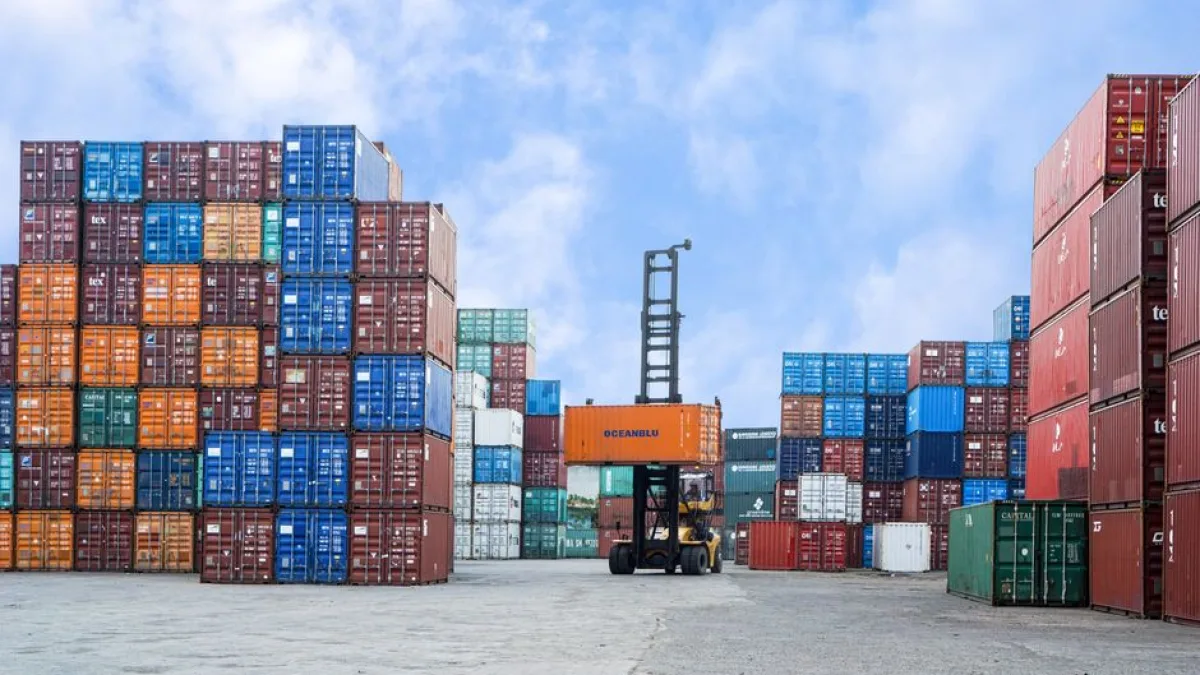
Success in modern freight forwarding requires a commitment to digital transformation and consistent process optimization. By adopting cloud-based software, you can automate documentation, improve cargo visibility, and streamline carrier communication. These strategies help you stay competitive while providing exceptional value to your global clients. Start implementing these best practices today to build a more efficient, transparent, and profitable future for your logistics enterprise.