Optimizing Freight Operations with Modern Cloud Software
Friday, October 2 2026

Modern freight forwarding requires precision and speed to remain competitive in a complex global market. As supply chain demands evolve, professionals must transition from manual processes to integrated digital solutions to maintain accuracy and client satisfaction. Cloud-based platforms offer the agility needed to handle diverse logistics challenges while reducing overhead costs and manual errors. By embracing technological advancements, forwarders can unlock significant efficiency gains, improve collaboration across international borders, and provide superior visibility to their customers. This guide explores essential practices for leveraging software to streamline operations, reduce operational bottlenecks, and elevate your service standards in the fast-paced world of international logistics management today.
Centralizing Communication Channels

A digital workspace acts as the heart of your operation, ensuring that every team member has access to real-time information regarding complex shipments. By consolidating emails and documents, you prevent data silos and ensure that everyone works from a single source of truth.
- Unified message logs: Keeping all client communication within your platform ensures no critical information is lost while providing a searchable history for every single active shipment you manage.
- Automated status updates: Configure your system to push automatic notifications to partners and clients, which drastically reduces the volume of repetitive status requests reaching your busy operations team.
- Shared document repository: Storing bills of lading and commercial invoices in a cloud system allows authorized parties to access files securely without relying on insecure email attachments.
- Collaborative task management: Assign specific operational tasks to team members within the software to ensure accountability and track progress on every milestone during the export process.
- Real-time internal chat: Use integrated messaging features to discuss specific freight issues instantly, which keeps conversation context tied directly to the relevant shipment record for later review.
By shifting communication into a central hub, your firm can drastically reduce the time wasted searching for lost emails or outdated file versions. This approach ensures that your operations stay transparent and highly responsive to client needs. When every stakeholder sees the same data, the risk of miscommunication disappears, allowing your staff to focus on high-value tasks instead of chasing down mundane shipment updates.
Leveraging Automated Documentation

Automating documentation reduces the manual labor involved in creating shipping manifests and invoices, which are prone to human error. Modern software platforms can pre-populate fields based on previous shipments to speed up your daily workflows while ensuring total regulatory compliance.
- Dynamic template generation: Utilize smart templates that pull data from your customer database, allowing you to generate professional shipping documents in seconds rather than several tedious minutes.
- Validation logic checks: Built-in validation rules identify missing information or incorrect formatting before you finalize any paperwork, effectively preventing costly errors that lead to customs delays.
- Bulk document printing: Generate large sets of required shipping documents simultaneously, which helps your team handle high-volume accounts without sacrificing accuracy during peak shipping seasons or busy periods.
- Instant cloud sharing: Automatically transmit completed documents to carriers and customs brokers directly through the software, which accelerates the flow of goods across global international borders.
- Secure digital archiving: Maintain a permanent, searchable archive of all historical shipping documents that satisfies auditing requirements and helps you quickly resolve future customer inquiries efficiently.
Precision in documentation is the hallmark of a professional freight forwarder. By adopting automated systems, your business eliminates the risks associated with manual data entry and repetitive filing tasks. This transition not only boosts overall productivity but also enhances the reliability of your service. Your clients will appreciate the consistent quality and speed of your paperwork as you scale your freight operations effectively.
Enhancing Shipment Visibility
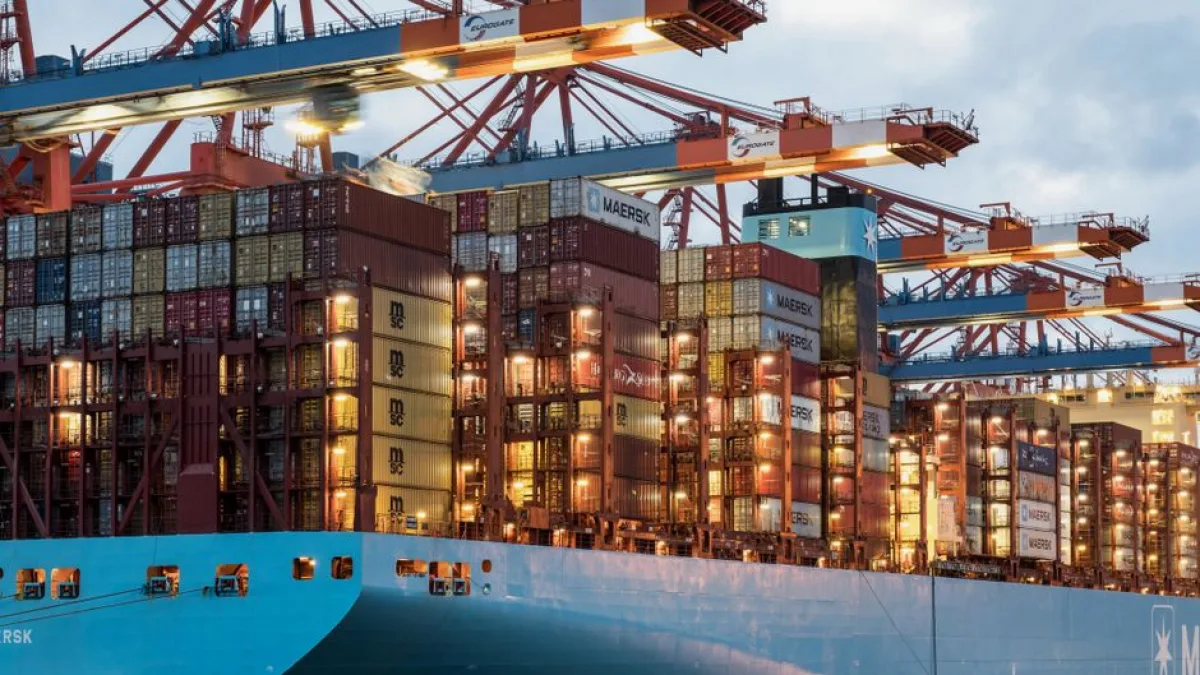
Providing clients with real-time tracking visibility is no longer a luxury but a fundamental necessity for modern logistics providers. Advanced platforms integrate with carrier systems to provide live status updates, enabling you to manage expectations and resolve delays before they escalate.
- Integrated carrier tracking: Sync your software directly with major shipping lines and airlines to receive automatic, accurate status updates that appear immediately within your dashboard for users.
- Custom client portals: Offer your high-value clients dedicated access to an online portal where they can monitor their shipments and download reports at their own convenience.
- Proactive delay alerts: Set up smart notifications that trigger alerts the moment a carrier reports a delay, allowing you to inform clients immediately and offer alternative solutions.
- Interactive map tracking: Utilize visual mapping tools to show the current location of freight in transit, providing your clients with an intuitive way to visualize their supply.
- Customized performance reports: Generate automated reports that track key performance indicators for each client, helping you prove your value through data-driven insights and improved transit performance.
Visibility serves as a powerful competitive advantage that builds lasting trust with your clientele. When you provide immediate answers about freight location and status, you reduce the burden on your customer service staff while increasing client loyalty. A commitment to transparency ensures that your freight forwarding business remains the preferred choice for partners who value reliability and clear communication in their logistics provider.
Optimizing Financial Workflows

Effective financial management is the backbone of a profitable freight forwarding business. By integrating billing and accounting with your operations, you ensure that every service rendered is captured accurately, leading to faster invoicing and improved cash flow management across all departments.
- Automated billing cycles: Connect your freight data to invoicing modules so that charges are calculated instantly, ensuring bills are sent to clients immediately after the shipment completes.
- Accurate margin tracking: Monitor the profitability of every individual shipment by automatically comparing total freight costs against revenue, allowing you to make smarter pricing decisions for clients.
- Seamless accounting sync: Push financial data directly to your accounting software, which eliminates the need for manual data reconciliation and reduces the risk of expensive bookkeeping errors.
- Vendor payment scheduling: Keep track of carrier invoices and payment due dates in one location to ensure you never miss a discount or incur late payment fees.
- Detailed cost analysis: Review historical shipment costs to identify trends, helping you negotiate better rates with carriers and optimize your pricing strategy for future business growth today.
Healthy financial workflows are essential for sustaining growth in the volatile freight industry. By automating the link between operational activity and financial outcomes, your team can spend less time reconciling accounts and more time focusing on business development. Accurate financial data provides the clarity needed to make strategic decisions that protect your bottom line while maintaining the flexibility to serve your global customers.
Conclusion

Modernizing your freight operations with cloud-based software is the most effective way to stay ahead in an evolving industry. By focusing on centralized communication, automated documentation, real-time visibility, and streamlined finance, you empower your team to provide superior service. Start assessing your current tech stack today to identify areas for improvement. Contact MakeCargo to see how our platform can transform your logistics business.