Optimizing Freight Operations with Modern Cloud Software
Tuesday, October 13 2026

Freight forwarding is evolving at a rapid pace as global supply chains demand higher levels of visibility and operational precision. Traditional manual processes often lead to bottlenecks that prevent logistics firms from scaling their operations effectively. By adopting integrated cloud-based software, forwarders can automate repetitive tasks, reduce human error, and provide clients with real-time data insights. This shift not only improves internal efficiency but also fosters long-term trust with global partners. As the industry moves toward complete digital transformation, mastering these core operational areas is essential for any forwarder aiming to stay competitive in a challenging and fast-moving international shipping landscape.
Automating Booking Workflows

Automating booking workflows transforms the way forwarders handle incoming requests from diverse clients. By centralizing data in a single platform, teams eliminate redundant manual entries and minimize the risk of costly communication errors that often occur during high-volume shipping periods.
- Reduced manual input: Modern software platforms automatically capture data from incoming emails and portals to populate fields, ensuring that staff members spend less time typing and more time managing exceptions.
- Standardized data entry: Creating uniform templates for every booking prevents information gaps and ensures that all necessary customs documentation is ready for processing before the freight reaches the terminal.
- Instant confirmation alerts: Automated triggers send immediate status updates to clients upon booking submission, which significantly improves customer satisfaction levels and reduces the volume of repetitive inquiry calls received.
- Integrated rate management: Linking booking modules directly to live carrier rates allows forwarders to compare prices instantly, ensuring that every shipment is booked at the most cost-effective market price available.
Adopting automated workflows creates a consistent environment where every team member follows the same digital protocol. This standardization is vital when handling complex shipments that involve multiple stakeholders and strict regulatory requirements. By removing the burden of repetitive tasks, your logistics coordinators can focus their expertise on high-level problem solving and maintaining strong relationships with your essential global shipping partners and agents.
Improving Shipment Visibility
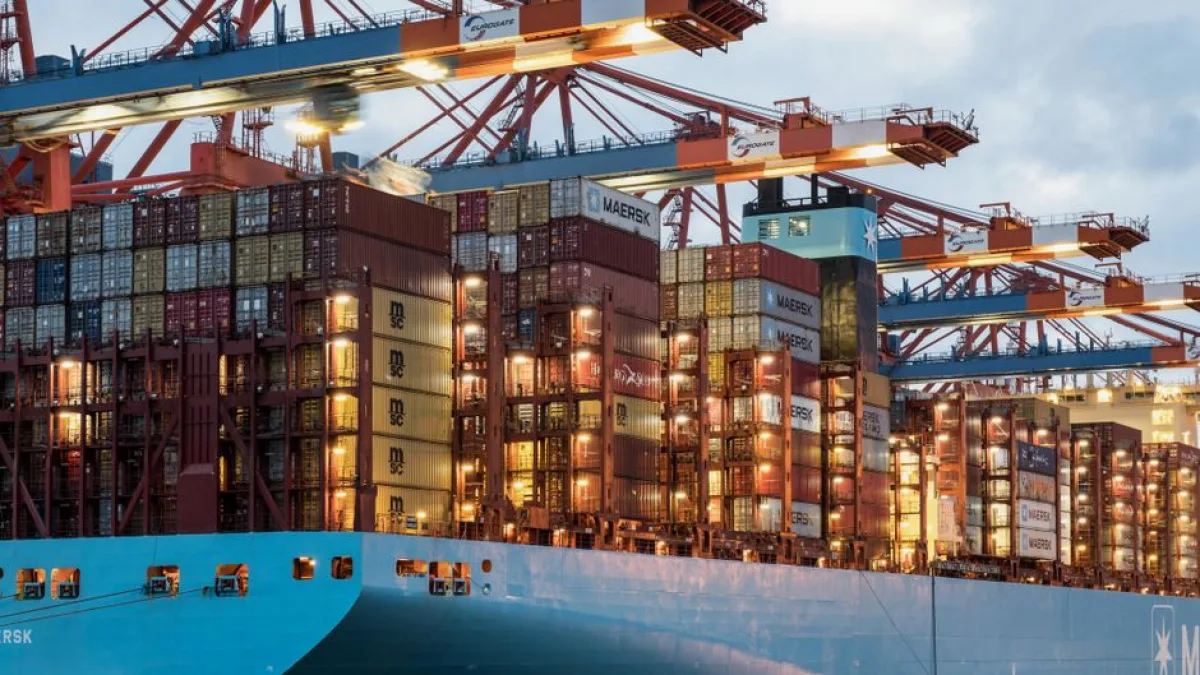
Real-time shipment visibility is no longer a luxury but a fundamental requirement for modern freight forwarders. Clients expect transparent reporting and live tracking capabilities that keep them informed about their cargo location from the point of origin to destination.
- Live tracking integration: Direct API connections with major carriers provide real-time updates on container movements, allowing teams to proactively address potential delays before they impact the final delivery schedule.
- Automated status updates: Advanced software sends customized notifications to stakeholders based on predefined milestones, ensuring that your clients remain informed without requiring manual intervention from your internal staff.
- Interactive map dashboards: Visual tracking tools help operational teams monitor global transit routes effectively, enabling quick identification of congestion hotspots or extreme weather events affecting active shipping lanes.
- Exception management alerts: Proactive notifications signal whenever a shipment deviates from its planned route, giving operators the time needed to reroute cargo and maintain essential service level agreements consistently.
Providing exceptional visibility transforms the client experience and builds lasting loyalty in a crowded marketplace. When your customers have access to accurate information at any time, they feel more confident in your ability to manage their supply chains. This transparency reduces the overhead of status queries and allows your team to spend their time optimizing routes instead of searching for lost cargo updates.
Streamlining Document Management

Effective document management reduces the risk of compliance issues and customs clearance delays. Storing all shipping bills, invoices, and packing lists in a unified digital repository ensures that every team member can access the latest versions of critical files.
- Centralized file storage: Secure cloud storage keeps every document associated with a shipment organized in one location, making it simple for auditors to verify information during regulatory reviews.
- Version control systems: Automated software tracking prevents outdated documents from being used by mistake, ensuring that every manifest reflects the most accurate weight, dimensions, and contents of cargo.
- Digital signature integration: Built-in electronic signature modules accelerate the approval process for essential customs documents, reducing the turnaround time required to get freight moved through port terminals efficiently.
- Smart document indexing: Metadata tagging allows users to retrieve specific shipping documents within seconds, significantly improving the speed of customer service responses and internal auditing processes across all departments.
A digitized filing system eliminates the chaos of scattered folders and lost emails that plague many traditional logistics offices. By ensuring that all vital records are preserved in an accessible and secure digital format, forwarders reduce the risk of fines and operational delays. This level of organization allows your company to handle more volume with greater ease while maintaining strict regulatory compliance standards.
Enhancing Financial Accuracy

Financial precision is the backbone of a profitable freight forwarding operation. Integrated software links your operational activities directly to your accounting processes, ensuring that every shipment cost is captured correctly and invoiced to the appropriate client without delay.
- Automated cost tracking: Linking operational events to financial modules ensures that every carrier charge is captured immediately, preventing revenue leakage that occurs when secondary fees are missed.
- Streamlined client billing: Generating invoices based on live operational data reduces the time spent on accounting reconciliations and ensures that client statements are accurate and delivered promptly every time.
- Profitability analysis tools: Detailed reporting features allow managers to track margins per shipment or client, providing the data needed to make informed decisions about pricing strategies and partners.
- Carrier payment reconciliation: Automated matching of carrier invoices against original quotes helps identify overcharges quickly, ensuring that the company maintains healthy cash flow and strong carrier relationships throughout.
Accurate financial tracking provides the insights necessary for sustainable business growth and long-term stability. When your operational and accounting data live in the same system, you eliminate the friction of manual data reconciliation. This efficiency allows for faster payment cycles and gives leadership the visibility required to identify profitable growth opportunities while effectively managing expenses across your entire global logistics network.
Conclusion

Modernizing your freight operations is a strategic necessity in today's competitive logistics environment. By implementing cloud-based software, forwarders gain the tools needed to automate tasks, improve visibility, and ensure financial accuracy. Taking these steps toward digital maturity empowers your team to handle increased volume while maintaining high service standards. Start transforming your business processes today to ensure your company remains a leader in the global shipping industry.