Optimizing Freight Operations with Modern Cloud Technology
Thursday, August 13 2026
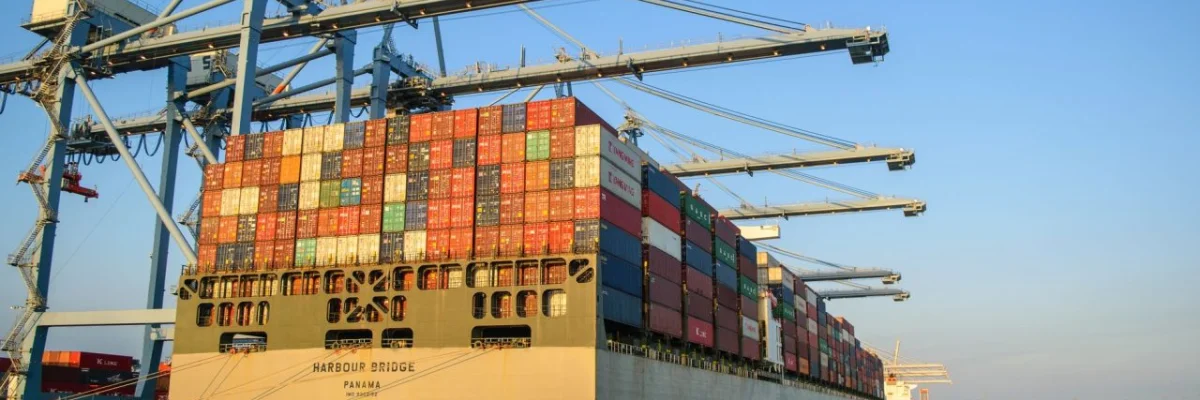
Modern freight forwarding is undergoing a radical shift as companies transition from manual processes to integrated digital solutions. Navigating global supply chains requires precision, real-time visibility, and the ability to handle complex documentation without error. As volume demands increase, professional freight forwarders must leverage cloud-based platforms to maintain a competitive edge. By consolidating communication and data management into a single interface, businesses can reduce overhead costs and improve customer satisfaction levels significantly. Mastering these digital tools is no longer a luxury but a fundamental requirement for any organization looking to scale their operations and thrive in today's fast-paced international trade environment.
Streamlining Documentation Workflows

Digital document management systems transform how agents handle bills of lading and customs declarations. By centralizing paperwork, teams avoid the risks associated with manual data entry errors and physical file loss, creating a more efficient and compliant shipping environment for everyone.
- Automated Data Entry: Implement smart scanning tools that extract critical information from PDF documents directly into your operating system to save hours of tedious manual typing every single day.
- Centralized Document Storage: Maintain a secure cloud repository where all shipping documents are accessible from anywhere in the world, ensuring that remote teams collaborate effectively on ongoing shipments.
- Version Control Systems: Prevent costly errors by using automated version tracking that ensures all stakeholders are always viewing the most recent iteration of customs or commercial shipping invoices.
- Secure Cloud Hosting: Protect sensitive client data and proprietary shipping information by utilizing enterprise-grade encryption standards that guard against cyber threats while maintaining regulatory compliance for global trade.
- Instant Retrieval Capabilities: Speed up audit processes and customer inquiries by utilizing advanced search filters that allow your team to locate specific shipping documents in a few seconds.
Adopting digital workflows minimizes the administrative burden that typically slows down freight operations. By removing the dependency on fragmented paper trails, your team gains more time to focus on complex logistics strategy and high-value customer interactions. This shift enhances accuracy and builds trust with clients who expect immediate updates on their cargo status, ultimately establishing your company as a reliable partner in the logistics sector.
Real-Time Cargo Visibility
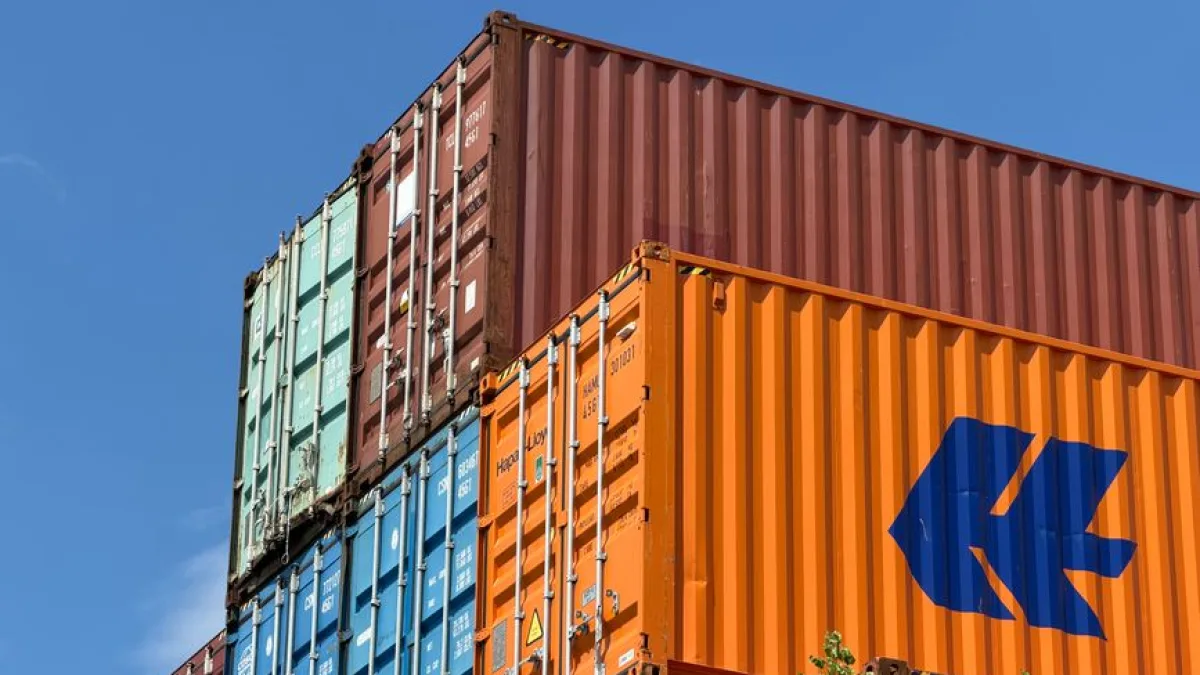
Transparency remains the cornerstone of modern logistics excellence. Providing clients with live tracking updates builds immense trust and helps manage expectations during transit, especially when navigating unpredictable delays or congestion at major international ports and busy transshipment hubs.
- Live Shipment Tracking: Integrate your software with global carrier APIs to provide clients with automated and accurate status updates for their ocean, air, or land freight movements.
- Exception Management Alerts: Configure automated notifications that warn your operational staff immediately when a cargo movement deviates from the planned route or experiences a significant schedule delay.
- Customer Portals Access: Empower your clients by providing a self-service dashboard where they can track their own cargo without needing to contact your team for updates.
- Visual Mapping Tools: Utilize interactive map interfaces that display the physical location of cargo vessels and aircraft in real time to improve communication during critical transport legs.
- Data Driven Insights: Analyze historical shipment data to identify recurring bottlenecks in specific trade lanes, allowing your team to adjust routing strategies for improved long term performance.
Visibility is more than just a tracking number. It is a strategic tool that allows freight forwarders to anticipate disruptions before they impact the final delivery deadline. By utilizing real-time data, your operations team can proactively suggest alternative routes or carriers to clients. This level of service differentiates your brand in a crowded market and creates long-term loyalty with your base.
Enhancing Carrier Communication

Efficient communication between forwarders and carriers is essential for successful operations. Integrating digital messaging and booking platforms reduces the reliance on long email threads, ensuring that every booking update is clear, recorded, and accessible to the entire logistics team.
- Direct Carrier Integration: Eliminate duplicate entry by connecting your cloud software directly with major ocean and air carriers to transmit booking requests and receive electronic confirmations.
- Centralized Messaging Hub: Consolidate all email and chat communications related to a specific shipment within the platform to ensure that no critical information gets lost forever.
- Standardized Booking Templates: Use pre-filled digital booking forms that minimize human errors and ensure all mandatory information is included before sending requests to your carrier partners daily.
- Performance Metric Tracking: Evaluate carrier reliability by monitoring response times and booking success rates, which helps you choose the best partners for your most sensitive shipments.
- Unified Communication Logs: Maintain a complete history of all interactions with carriers, providing a reliable reference point during dispute resolution or while managing complex multi-modal supply chains.
Clear communication prevents the common misunderstandings that lead to expensive delays and cargo storage fees. When internal teams and external carriers share a unified digital environment, the speed of response increases dramatically. This alignment allows your operations staff to manage more shipments with less stress, proving that better communication tools are the foundation of a highly productive and profitable freight forwarding business model.
Scaling Through Cloud Automation

Cloud automation is the primary engine for scaling operations without increasing headcount. By automating repetitive tasks, your staff can transition from manual task executors to strategic account managers, focusing their energy on expanding services and managing larger volumes of international freight business.
- Workflow Process Automation: Set up automated triggers for routine tasks like sending arrival notices or generating invoices, which ensures that these important actions never get missed again.
- Dynamic Pricing Engines: Utilize software tools that automatically compare carrier rates to find the most cost-effective shipping options for your customers within just a few seconds.
- Financial Integration Sync: Connect your operations platform with accounting software to ensure that all freight costs and customer invoices are synced perfectly, reducing manual reconciliation efforts.
- Scalable Cloud Infrastructure: Manage your growing database of customers and shipments with ease by using a platform that scales server resources automatically as your company expands.
- Role Based Access: Control information security by defining specific access levels for different staff members, ensuring that operational data remains secure while facilitating smooth internal collaboration.
Automation allows your freight forwarding business to remain agile in a volatile market. Rather than drowning in repetitive administrative tasks, your team can leverage technology to manage growth efficiently. This scalability is essential for companies aiming to capture more market share. By investing in a robust cloud platform now, you position your organization to handle future industry demands with confidence and professional ease.
Conclusion

Optimizing your freight operations requires a combination of smart technology and clear process improvement. By embracing cloud-based platforms, you gain the visibility, efficiency, and scalability needed to stay competitive. Take the initiative to modernize your systems today and watch as your team becomes more productive. Sign up for a demo of our platform to see how we can transform your logistics business operations.