Optimizing Freight Operations with Modern Cloud Technology
Saturday, September 26 2026
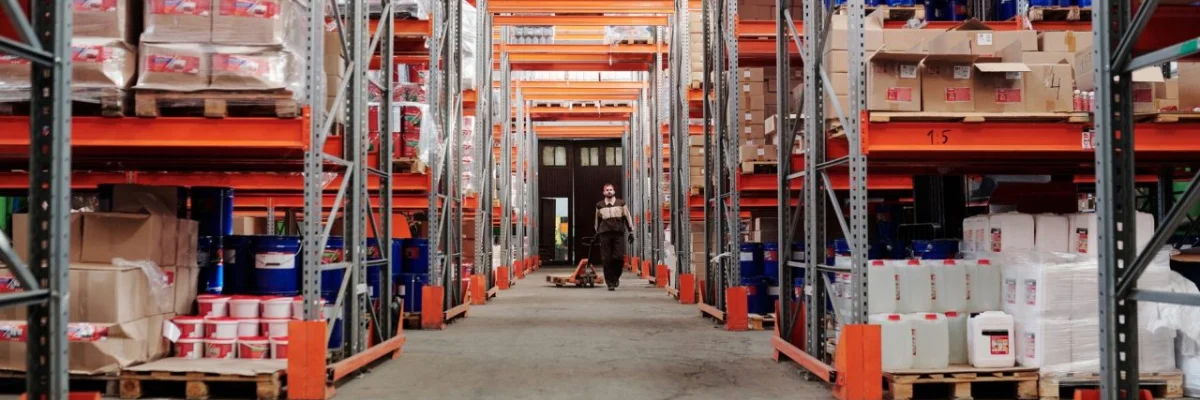
Modern freight forwarding is undergoing a rapid digital transformation as companies shift away from legacy systems toward agile cloud-based platforms. Success in the current global market depends on your ability to process documentation, manage complex supply chain workflows, and provide real time visibility to clients. By integrating smart software solutions, your firm can eliminate manual errors, reduce operational bottlenecks, and reclaim thousands of hours spent on repetitive data entry tasks. This article explores essential strategies for freight forwarders looking to scale their operations while maintaining high service standards in an increasingly competitive and volatile international shipping landscape.
Automating Documentation Flows

Automating your paperwork is the fastest way to increase accuracy and speed within your logistics operation. By digitizing bills of lading and invoices, you ensure that vital shipment information flows seamlessly between stakeholders without the risk of human error.
- Automated Data Entry: Implement advanced optical character recognition tools to scan and convert paper forms into digital entries instantly to minimize the manual labor involved in processing shipments.
- Standardized Document Templates: Create uniform templates for all common shipping forms to ensure that every document meets international compliance standards while maintaining professional consistency for your valued clients.
- Centralized Document Storage: Maintain a secure cloud repository where every team member can access current files instantly to prevent confusion caused by outdated versions or missing paper records.
- Approval Workflow Automation: Configure automated alerts for document reviews to ensure that managers sign off on critical paperwork before shipping deadlines expire, which significantly reduces costly clearance delays.
- Integration With Carriers: Connect your documentation platform directly with carrier portals to exchange data seamlessly and eliminate the need for manual file transfers between your software and partners.
Transitioning to automated documentation allows your team to focus on higher value tasks like customer relationship management and strategic planning. When your back office runs smoothly, you reduce the stress of compliance audits and speed up the billing cycle. Investing in these digital tools creates a foundation for scalable growth, ensuring your freight forwarding business remains robust enough to handle increasing shipment volumes effectively.
Enhancing Real Time Visibility

Visibility is no longer just an optional value add for freight forwarders as clients now demand instant updates regarding their cargo status. Leveraging live tracking data empowers your team to provide proactive service and resolve logistical issues before they escalate.
- Live GPS Tracking: Integrate live tracking APIs into your dashboard to monitor shipments across land and sea so you can provide precise arrival estimates to your customers.
- Proactive Milestone Alerts: Configure automated notifications that trigger when shipments reach key geographic locations to keep stakeholders informed without needing to check the tracking status every hour.
- Carrier Portal Integration: Sync your software with major shipping lines to pull real time status updates directly into your control center for a unified view of operations.
- Exception Management Dashboards: Utilize specialized views that highlight delayed shipments or logistical roadblocks to help your staff prioritize problem solving and provide transparent updates to clients.
- Client Facing Dashboards: Provide your customers with personal login access to their own tracking portal to satisfy their demand for data while reducing your customer support workload.
Proactive visibility transforms your client relationships from reactive communication to a partnership built on trust. When clients have direct access to accurate information, they trust your capability to navigate complex global supply chain disruptions. By embracing cloud visibility tools, you distinguish your firm from competitors and build long term loyalty through superior transparency and reliable reporting that clients can access at anytime.
Streamlining Communication Channels

Internal and external communication often suffers from fragmented channels like email chains and phone calls. Centralizing your communication within your freight software ensures that every conversation is tied to the specific shipment record for easy future reference.
- Integrated Messaging Tools: Use built in chat features that attach communication directly to individual shipment files so that every team member knows the current context of orders.
- Automated Status Updates: Send regular email or text notifications to clients based on system triggers to ensure they remain updated without your staff typing manual emails.
- Collaborative Workflow Notes: Allow different departments to leave notes on shipment records to keep the warehouse, accounting, and operations teams perfectly aligned on every single cargo movement.
- External Partner Portals: Create secure environments for partners to view necessary shipment data and upload their own updates to eliminate the need for lengthy back and forth emails.
- Email Integration Features: Sync your existing professional email accounts to your software platform so incoming messages are automatically filed into the correct shipment file for tracking.
Effective communication reduces the risk of misinterpretation that often leads to expensive logistical errors or missed shipping windows. When your team manages information inside a single platform, collaboration becomes more efficient and accountability improves significantly. This unified approach to communication ensures that even as your firm grows and handles more shipments, the quality of your client service remains exceptionally high throughout.
Managing Carrier Performance Data

Data driven decisions are essential for selecting the right partners and optimizing your procurement strategy. By tracking carrier performance metrics in your software, you can identify which routes and providers offer the best value and reliability for your needs.
- Carrier Scorecard Generation: Track key performance indicators like on time delivery rates and cargo damage incidents to generate automated scorecards for all your active logistics service providers.
- Cost Comparison Analytics: Use built in tools to compare historical rates across different carriers to identify cost saving opportunities during your next round of contract negotiations.
- Service Level Monitoring: Compare actual transit times against quoted lead times to determine if your current carriers are meeting their service level agreements in various shipping lanes.
- Trend Analysis Reporting: Review long term data trends to predict seasonal capacity shifts so you can adjust your planning to avoid peak season surcharges and shipping delays.
- Strategic Procurement Insights: Leverage historical performance data to make informed decisions about which carriers to award future volume to based on past reliability and actual cost.
Relying on hard data rather than intuition provides a major advantage in the volatile freight forwarding market. By monitoring carrier performance, you ensure that your procurement strategy is always aligned with your business goals of reducing costs and improving efficiency. Cloud platforms make it simple to extract these insights, turning your operational data into a powerful asset that drives growth for your company.
Conclusion

Modernizing your freight operations requires a combination of smart software adoption and a shift in organizational culture toward digital agility. By automating documentation, enhancing visibility, centralizing communication, and utilizing performance data, your freight forwarding business can achieve new heights of efficiency. Take the step to upgrade your operational infrastructure today to ensure your team is prepared for the future of global logistics.