Optimizing Freight Operations with Modern Digital Solutions
Friday, August 14 2026

Freight forwarders face unprecedented pressure to deliver speed and transparency in an increasingly volatile global market. As supply chain complexities multiply, the reliance on manual spreadsheets and disconnected communication channels becomes a significant liability for scaling operations. By embracing cloud-native technology, logistics professionals can centralize fragmented data workflows, reduce costly human errors, and provide superior visibility to their clients. This transformation is not merely about digitizing legacy documents but fundamentally reshaping how goods move from origin to destination. Modern platforms empower teams to focus on strategic growth rather than administrative maintenance, ensuring long-term competitiveness in a highly demanding shipping environment.
Streamlining Global Logistics Workflows
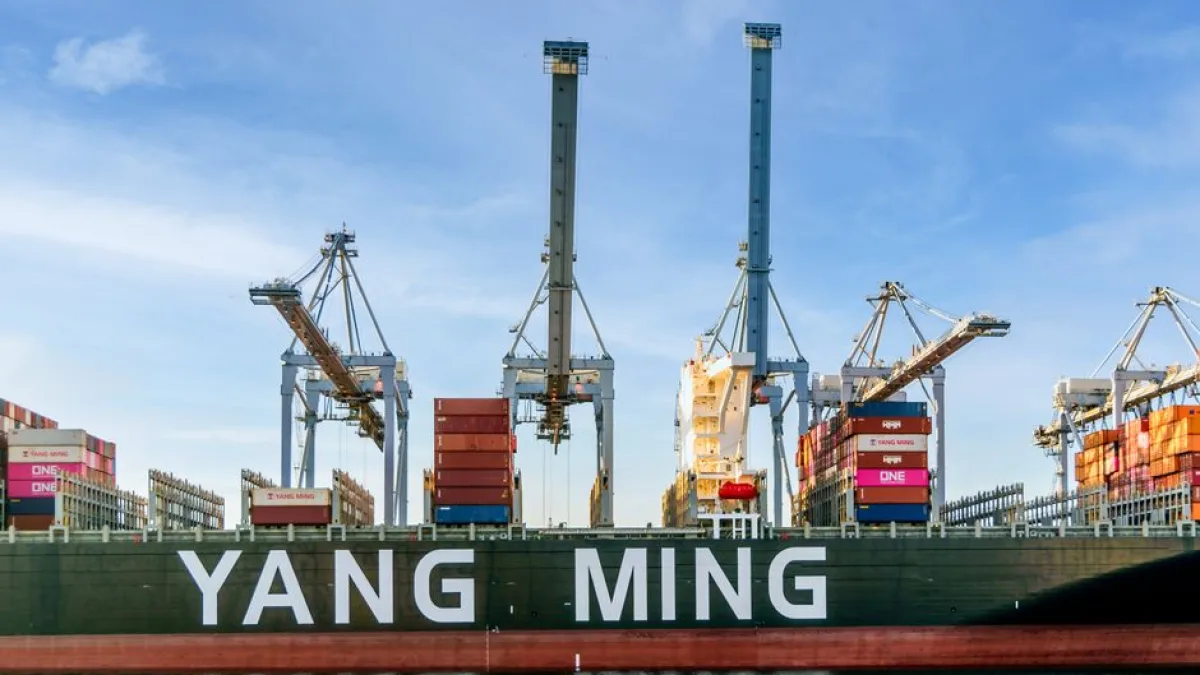
The core of an efficient freight operation lies in the seamless coordination of documentation and real-time tracking across international borders. Digital platforms allow teams to synchronize complex workflows instantly, preventing data silos that typically hinder productivity and slow down critical decision-making processes.
- Centralized document management: Consolidate all shipping documents, invoices, and customs declarations into a single cloud-based repository to ensure team members access the most recent versions without delays.
- Automated task assignment: Utilize built-in automation to assign tasks based on shipment status, ensuring that no essential step is missed during the busy freight forwarding cycle.
- Real-time status updates: Provide clients with live visibility into shipment milestones by integrating tracking data directly into the platform for improved communication and trust building.
- Standardized reporting tools: Generate comprehensive operational reports automatically to identify bottlenecks in your workflow and measure team performance against key industry benchmarks and requirements.
Adopting a centralized approach transforms how your team handles logistics challenges. When every participant has access to accurate information, operational friction decreases significantly. By eliminating manual data entry tasks, you empower your staff to concentrate on higher-value activities such as client management and vendor negotiation. This transition ultimately leads to faster shipment processing times and a more resilient supply chain operation overall.
Enhancing Carrier Communication Channels

Communication breakdowns between forwarders and carriers often lead to avoidable delays and increased detention charges. Leveraging integrated communication tools allows for immediate updates, ensuring that all logistics partners remain aligned on shipment requirements and critical delivery deadlines every day.
- Integrated messaging portals: Connect with carriers through a secure portal that keeps all shipment-related conversations logged directly within the order file for complete transparency.
- Instant status notifications: Trigger automated alerts whenever shipment milestones change, keeping all stakeholders informed without the need for manual email updates or repetitive phone calls.
- Digital file sharing: Upload and share critical shipping instructions or delivery proofs instantly to ensure carriers have exact requirements for pickups and final delivery runs.
- Contract management features: Store carrier rate sheets and service agreements within the system to verify costs quickly and ensure accurate billing during the auditing process.
Effective communication is the backbone of successful freight forwarding operations in a global economy. When information flows smoothly between your team and external partners, the likelihood of errors drops significantly. By utilizing digital communication platforms, you cultivate stronger relationships with your carriers, leading to more reliable service levels. This proactive approach ensures that your operations remain smooth, consistent, and highly profitable.
Leveraging Advanced Data Analytics

Data is the most valuable asset for any modern freight forwarder looking to improve margins. By analyzing historical performance metrics and lane costs, operations managers can identify patterns that lead to smarter routing decisions and improved financial outcomes for clients.
- Detailed cost analysis: Track every expense associated with individual shipments to identify profitable lanes and uncover areas where costs might be exceeding standard industry margins.
- Performance KPI monitoring: Monitor key performance indicators like on-time delivery rates and carrier performance to ensure high service standards are maintained for all customers.
- Customized dashboard views: Create personalized dashboards that highlight the specific metrics relevant to your operational goals and provide actionable insights for your management team.
- Predictive trend forecasting: Use historical data to anticipate seasonal shifts in freight volume, allowing your team to plan capacity requirements well in advance for clients.
Data-driven decisions remove the guesswork from freight operations. Instead of relying on intuition, managers can utilize precise metrics to optimize routes, select the best carriers, and control operational expenditures. This analytical approach not only improves the bottom line but also enhances the overall quality of service provided to clients. Investing in analytics today builds a foundation for long-term success and scalability.
Achieving Seamless System Integration

Fragmented systems cause data redundancy and frustrate teams that rely on multiple logins to complete one job. Integration bridges the gap between accounting, customs, and operations software, creating a unified ecosystem that supports total business transparency and operational efficiency.
- API-first architecture design: Connect your primary freight software with accounting or warehouse systems to automate data flow and eliminate the need for double data entry.
- Customer portal access: Offer your clients a dedicated portal where they can view their own data, download reports, and track shipments independently to save time.
- Cloud connectivity benefits: Ensure your entire team accesses the same data from any location, facilitating remote work capabilities without compromising security or operational data integrity.
- Third-party platform synchronization: Sync with customs authorities or port terminal operating systems to ensure that documentation compliance happens faster and reduces the risk of penalties.
Integrating your technology stack is essential for modern freight forwarders. It removes manual hurdles and allows your team to operate at peak efficiency. When systems communicate effectively, your business gains the agility needed to respond to unexpected market changes. This connectivity is the final piece of the puzzle, transforming isolated departments into a single, high-performing logistics powerhouse that delivers exceptional results daily.
Conclusion
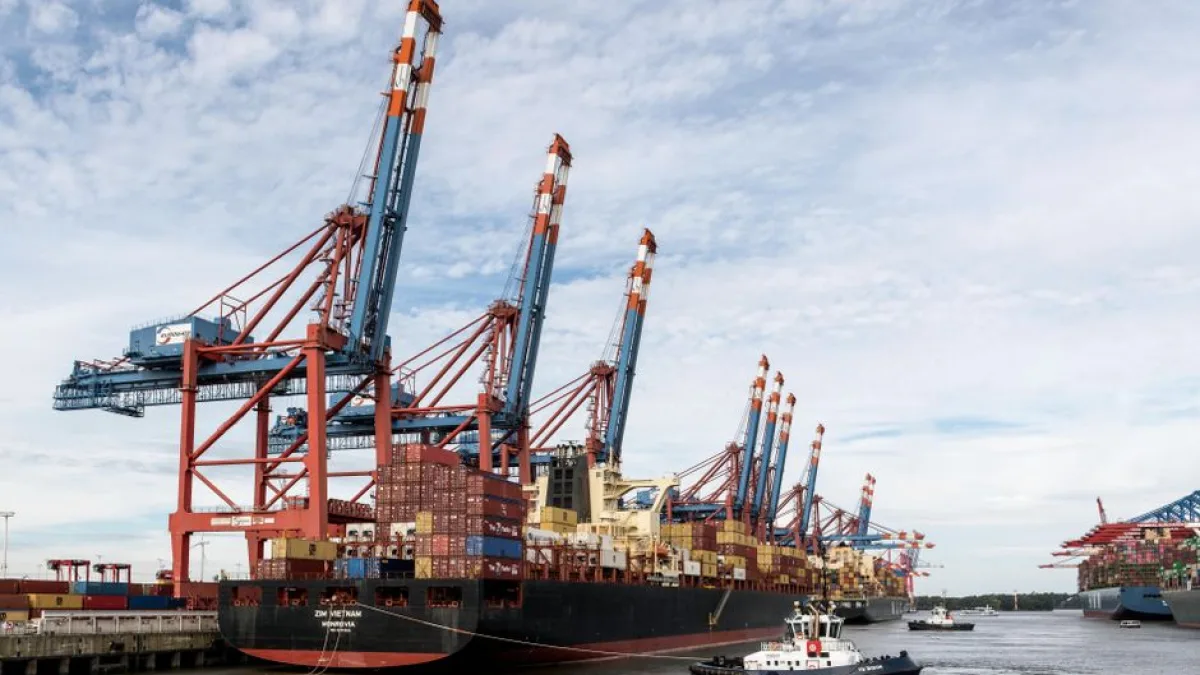
Modernizing your freight operations is a necessary step for remaining competitive in today's landscape. By centralizing workflows, improving communication, leveraging data, and integrating your systems, you position your firm for sustainable growth. Technology serves as the catalyst for these improvements, allowing your team to focus on providing excellent client service. Start optimizing your logistics operations today to build a more resilient and profitable business.