Optimizing Freight Operations with Modern Digital Solutions
Saturday, August 22 2026
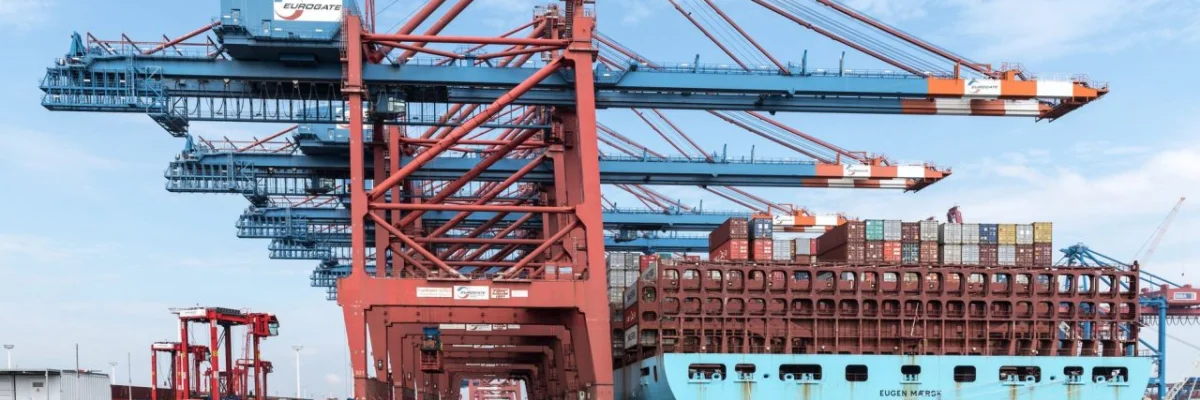
Freight forwarding is a fast-paced environment where efficiency dictates success and profitability. As global supply chains grow more complex, manual processes often lead to costly delays and communication breakdowns between stakeholders. Adopting cloud-based platforms is no longer a luxury but a necessity for companies aiming to stay competitive in the current landscape. By centralizing documentation, shipment tracking, and financial reconciliation within a single interface, forwarders can reclaim lost hours and provide superior service levels to their clients. This article explores how modern software tools transform daily operations and empower logistics teams to thrive despite fluctuating market pressures.
Streamlining Documentation Workflows

Manual paperwork management frequently creates bottlenecks that slow down your entire team. By digitizing documents, you minimize errors, speed up verification, and ensure that all shipment details remain accessible to authorized parties at any time during the transit cycle.
- Automated Data Entry: Implement smart optical character recognition to extract key information from bills of lading or invoices, reducing manual typing errors and saving hours of administrative work every week.
- Centralized Document Repository: Maintain a single source of truth for all shipping documents, ensuring that every team member accesses the latest version without searching through cluttered email inbox threads.
- Version Control Systems: Track every change made to documents in real time, providing a clear audit trail that improves compliance and simplifies communication with both customs and carrier partners.
- Cloud Accessibility Features: Empower your staff to access vital documentation from any location, facilitating remote work capabilities and ensuring business continuity even when the physical office remains closed.
- Secure Encryption Protocols: Protect sensitive client data and financial information with high-level digital security, reducing the risk of data breaches and maintaining your professional reputation in the marketplace.
Transitioning to a digital documentation strategy significantly reduces your reliance on physical paper trails. By integrating automated workflows, your operations team can focus on strategic tasks rather than administrative filing. This evolution enhances transparency across the supply chain, fostering trust with clients who demand real-time visibility. Embracing these technological upgrades allows you to manage higher shipment volumes while maintaining high service standards throughout the entire process.
Real Time Shipment Tracking

Visibility is the backbone of modern logistics. Keeping clients informed about their cargo status is essential for maintaining strong relationships. Advanced tracking solutions provide proactive alerts that help you manage exceptions before they escalate into major customer service issues.
- Proactive Milestone Updates: Configure your system to send automatic notifications to clients at every shipment milestone, significantly reducing the volume of inbound status inquiry calls to your office.
- Interactive Client Dashboards: Provide your customers with a secure web portal where they can monitor their shipments in real time, enhancing the overall user experience and your brand.
- Integrated Carrier APIs: Connect directly with global ocean and air carriers to pull live status updates, eliminating the need to manually check individual carrier websites for shipment information.
- Exception Management Alerts: Receive instant notifications when a shipment faces a delay or operational issue, allowing your team to take immediate corrective actions to minimize the negative impact.
- Comprehensive Reporting Tools: Generate detailed performance reports that highlight carrier reliability, enabling your logistics managers to make data-driven decisions when selecting partners for future shipping requirements.
Providing real time tracking is no longer an optional perk for forwarders. Clients expect instant updates, and meeting this demand is critical for customer retention. By automating your tracking systems, you reduce the time spent on routine communication. This efficiency shift allows your team to focus on resolving complex logistics problems rather than providing constant manual status updates to your diverse client base.
Managing Financial Operations Efficiently

Financial health determines your company longevity. Managing invoices, currency conversions, and agent settlements requires precision. Integrated platforms link your operational data directly to your accounting processes, ensuring that your financial figures remain accurate and updated without requiring separate manual entries.
- Automated Invoicing Workflows: Generate professional invoices directly from your shipment files, ensuring that billing remains consistent with the services rendered and reducing the risk of human calculation errors.
- Multi Currency Management: Handle international transactions with ease using built-in currency conversion tools that automatically adjust rates based on current market trends and specific client agreement terms.
- Integrated Agent Settlements: Simplify the process of paying overseas agents by linking settlement workflows directly to shipment profitability reports, ensuring timely payments that keep your global network happy.
- Real Time Profitability Analysis: Monitor the profitability of every individual shipment through a dynamic dashboard, allowing you to identify which routes or services provide the best margins.
- Seamless Accounting Integration: Synchronize your freight software with common accounting platforms, reducing the need for double data entry and ensuring that your financial books remain perfectly balanced.
Effective financial management is the bedrock of profitable freight operations. By automating your billing and settlement cycles, you reduce late payments and improve cash flow across your organization. Software integration ensures that your operational team and finance department stay aligned on every transaction. This holistic view provides the clarity needed to optimize your business model and ensure long-term stability and sustainable financial growth.
Enhancing Operational Collaboration

Collaboration drives better logistics outcomes. Whether working with internal departments or external vendors, clear communication channels are essential. Modern platforms provide collaborative spaces that keep everyone aligned, reducing confusion and preventing the common errors associated with traditional communication methods like email or phone calls.
- Internal Chat Tools: Utilize built-in messaging features attached to specific shipment files, ensuring that all conversations remain documented and accessible for future reference during internal team reviews.
- External Partner Portals: Create dedicated login areas for your carriers and overseas agents, allowing them to upload documents or updates directly into your system without email back-and-forth.
- Task Assignment Features: Delegate specific operational tasks to individual team members within your platform, ensuring that responsibilities remain clear and deadlines are met during high-pressure shipping windows.
- Customizable Permission Levels: Control exactly what information your external partners can see, ensuring data privacy while still allowing for the necessary transparency required to complete complex logistics operations.
- Shared Knowledge Base: Maintain an internal digital library of standard operating procedures, helping new employees ramp up quickly and ensuring that your team follows consistent processes every day.
Breaking down internal silos is essential for effective freight forwarding. By utilizing a unified platform, your team can collaborate effortlessly, leading to faster problem solving and improved service delivery. When everyone works from the same screen, errors diminish and overall productivity increases. This culture of collaboration allows your company to handle larger volumes with greater ease, positioning you for expansion in competitive markets.
Conclusion
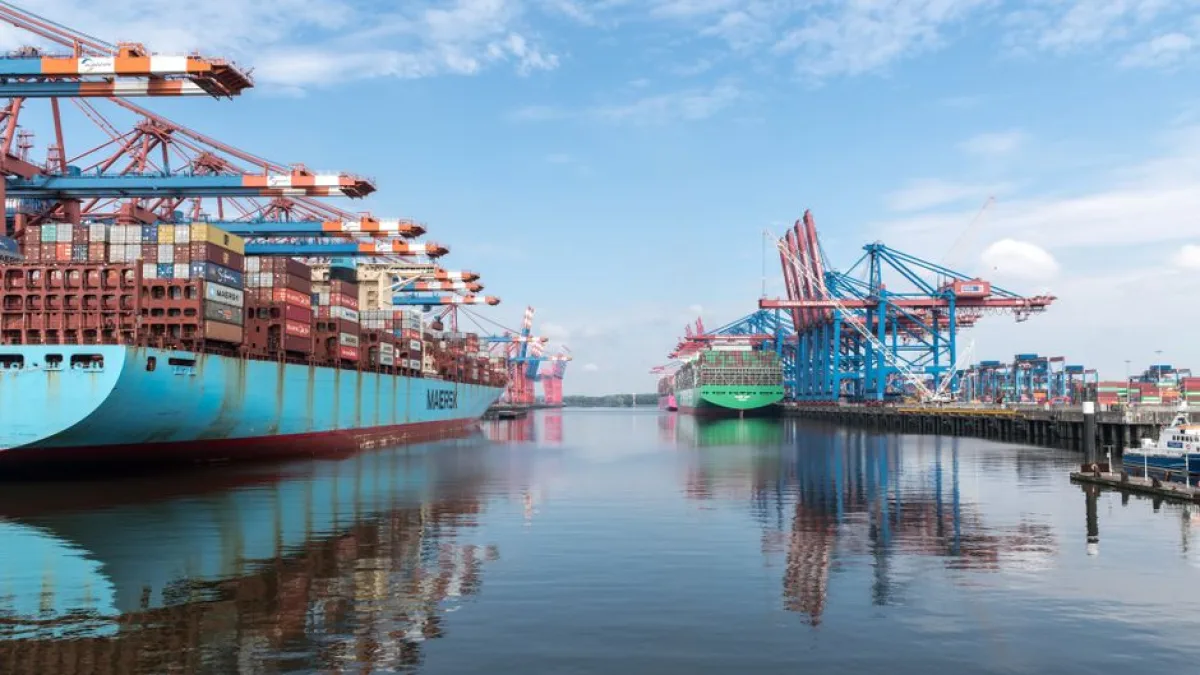
Transforming your operations through digital tools is the smartest path forward for freight forwarders. By integrating documentation, tracking, finance, and collaboration into one system, you create a scalable foundation for future growth. Now is the time to audit your current manual processes and invest in a cloud-based platform that empowers your team, improves client satisfaction, and drives your business toward greater profitability today.