Optimizing Freight Operations with Modern Digital Solutions
Tuesday, October 6 2026
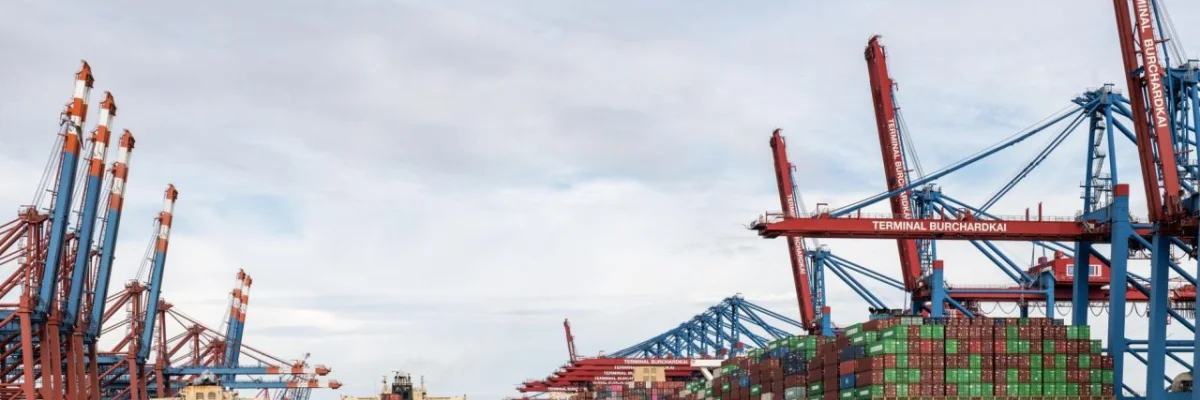
Modern freight forwarding requires a delicate balance of precision, speed, and clear communication to remain competitive in a volatile global market. As supply chains grow increasingly complex, professionals must move away from manual spreadsheets and fragmented communication channels that lead to costly delays. By adopting cloud-based software, forwarders can gain real-time visibility into every shipment, automate repetitive administrative tasks, and provide clients with the transparency they demand. Streamlining these core operational processes is not just about convenience but is a fundamental requirement for scaling your business and ensuring long-term profitability in an evolving logistics landscape.
Leveraging Real-Time Tracking Data
Integrating live tracking data into your workflow allows for proactive management of potential shipping delays. When your team has immediate access to vessel locations and status updates, they can communicate effectively with clients before minor issues evolve into major logistical failures.
- Live Vessel Updates: Access global carrier data instantly to monitor cargo location and arrival times, ensuring that your team can provide accurate, proactive status notifications to all stakeholders involved.
- Automated Status Alerts: Configure your digital platform to send automatic notifications to customers whenever a milestone is reached, which reduces the volume of repetitive status inquiry emails significantly.
- Exception Management Tools: Use integrated dashboards to identify shipments that are stuck or delayed, allowing your operations staff to intervene quickly and implement corrective strategies for every client.
- Improved Client Transparency: Provide your customers with a secure portal to view their shipment journey, which builds deep trust and long-term professional relationships through consistent, verifiable delivery information.
By shifting your focus toward data-driven visibility, you empower your staff to work smarter rather than harder. Instead of spending hours chasing updates via phone or email, your team can concentrate on solving high-value logistical problems. This proactive shift in operational strategy reduces stress and enhances the overall service quality, ultimately positioning your brand as a reliable and tech-forward leader in the shipping industry.
Automating Essential Documentation Tasks

Documentation is often the most time-consuming part of freight forwarding, frequently suffering from human error. Digital automation tools simplify the creation, filing, and management of bills of lading and commercial invoices to ensure compliance and speed up processing times.
- Streamlined Data Entry: Implement automated document generation that pulls information directly from your existing database, significantly reducing the chance of manual errors occurring during the bill creation process.
- Digital Document Storage: Maintain a centralized cloud repository where all shipping paperwork is safely archived, making it incredibly easy to retrieve specific files during audits or disputes.
- Compliance Error Checks: Utilize built-in validation software to flag missing information or regulatory errors before you submit documents to customs authorities, avoiding heavy fines and unexpected border delays.
- Collaborative Workflow Management: Enable multiple team members to edit and approve shipping documents simultaneously within the cloud environment, ensuring that critical paperwork moves through the office rapidly.
Automation serves as the backbone of an efficient logistics business, freeing your team from the burden of repetitive administrative chores. By standardizing your document workflows, you achieve higher levels of accuracy and speed across every single shipment. This consistency is vital for maintaining a professional image and ensuring that your cargo moves through customs without encountering frustrating bureaucratic bottlenecks that stop operations.
Enhancing Communication with Digital Tools

Clear communication is the heartbeat of successful freight forwarding operations. When internal teams and external partners share a unified platform, the risk of misinterpretation vanishes, allowing for much smoother coordination during complex international shipments that involve many different parties.
- Unified Messaging Systems: Use integrated communication tools to keep all notes and emails related to a specific shipment in one location, ensuring every team member stays informed.
- Partner Portal Access: Grant your overseas agents and vendors limited access to your platform, facilitating seamless data exchange without the need for insecure or messy email chains.
- Real-time Task Delegation: Assign specific responsibilities within your software to ensure that no critical action item is ever overlooked during the busy shipping season or peak periods.
- Internal Notification Rules: Set up custom triggers so that team members receive alerts only when their specific input is needed, which keeps everyone focused on their work.
When you consolidate your communication channels into one digital hub, you effectively eliminate the silos that often hinder productivity. Your staff can collaborate with confidence, knowing that they have access to the same current information. This unified approach prevents costly mistakes, improves responsiveness to client needs, and fosters a culture of accountability where every team member feels empowered to make informed, data-backed decisions.
Optimizing Warehouse and Yard Operations
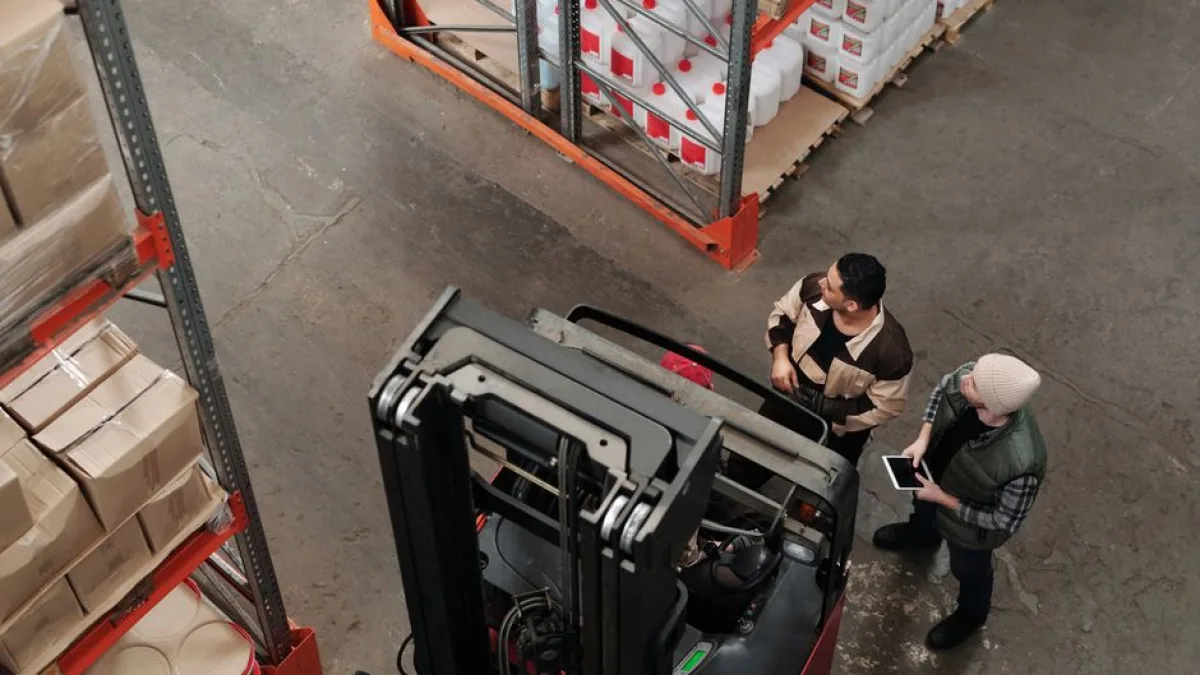
Coordinating the movement of goods into and out of your warehouse is a major challenge that requires precise planning. Integrating your warehouse management software with your main forwarding platform ensures that inventory levels remain accurate and that loading schedules are consistently met by your teams.
- Optimized Load Planning: Use intelligent software to calculate the most efficient way to pack containers, maximizing your available space and reducing overall shipping costs for your clients.
- Inventory Visibility Tools: Keep a perfect count of stock items by syncing your digital platform with warehouse scanners, ensuring that your team knows exactly what is available.
- Scheduled Dock Management: Manage loading bay schedules digitally to prevent vehicle congestion, allowing drivers to arrive and depart on time without waiting for long hours outside.
- Performance Reporting Metrics: Review operational data on a weekly basis to identify bottlenecks in your warehouse process, which allows you to adjust staff schedules and resources accordingly.
Optimizing your warehouse and yard operations is a continuous process that yields massive dividends in efficiency. By leveraging digital tools to manage flow and inventory, you reduce the physical clutter and administrative chaos that often plague logistics hubs. A well-organized facility serves as a testament to your operational excellence, proving to your clients that their cargo is handled with professional care and efficiency.
Conclusion

Adopting advanced digital solutions is no longer optional for freight forwarders who want to survive in today's fast-paced environment. By embracing these best practices for data tracking, document automation, and team communication, your organization can achieve significant improvements in both productivity and client satisfaction. Start upgrading your internal workflows today to ensure your business remains agile, profitable, and ready for future industry challenges.