Optimizing Freight Operations with Modern Digital Strategies
Wednesday, September 9 2026

The global logistics landscape is undergoing a massive transformation as traditional freight forwarding businesses shift toward cloud-based technology to maintain their competitive edge. Efficiency is no longer just about moving cargo from point A to point B but about mastering data visibility and automating communication channels to reduce human error. As client expectations for real-time tracking and instant quotes continue to rise, forwarders must embrace digital platforms to manage complex supply chains effectively. This evolution requires a strategic approach to software adoption and a commitment to optimizing internal workflows, ensuring that your team spends less time on manual data entry.
Leveraging Real-time Data Visibility
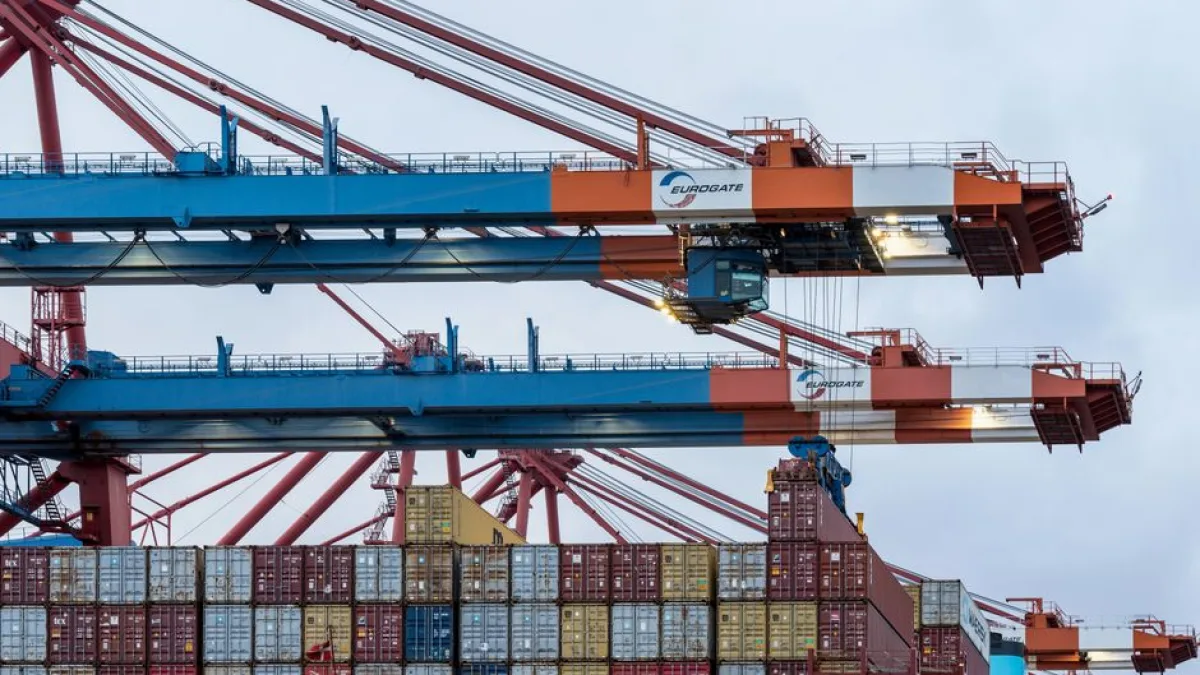
Digital visibility transforms how forwarders monitor shipments across global networks by providing immediate access to status updates and location data. This transparency fosters stronger client trust and allows for proactive problem solving before minor delays escalate into expensive logistical failures for customers.
- Centralized tracking portals: Consolidate your shipment data into one intuitive dashboard so that your operations team can monitor every container location without switching between multiple carrier websites or spreadsheets.
- Automated status notifications: Send instant updates to stakeholders when shipments reach milestones to keep your clients informed without the need for manual emails or phone calls during transit.
- Proactive exception management: Detect potential bottlenecks or port delays early by utilizing advanced analytics tools that highlight irregular shipment patterns before they become critical issues for cargo delivery.
- Enhanced reporting capabilities: Generate custom reports that provide valuable insights into carrier performance and transit times to help your firm make data-driven decisions for future shipping routes.
Adopting a centralized tracking system allows your firm to eliminate information silos that often plague traditional forwarding offices. When your staff has access to a single source of truth, productivity increases and customer satisfaction naturally follows. By reducing the time spent answering status inquiries, your employees can focus on high-value tasks that drive revenue and expand your business operations within the market.
Streamlining Documentation and Compliance

Managing complex documentation is often the most time-consuming aspect of freight forwarding, requiring strict attention to detail and regulatory compliance. Moving away from physical files to cloud-based document management saves precious office space and drastically reduces the risk of misplacing essential shipping records.
- Automated document indexing: Utilize intelligent software to categorize and store bills of lading or customs forms automatically so your team can retrieve any file in seconds.
- Secure cloud storage: Protect your sensitive client and carrier information with advanced encryption protocols that provide high-level security while remaining accessible from any remote work location.
- Integrated compliance checks: Automate the validation of shipping documents against international trade regulations to ensure that every export filing meets legal standards and avoids costly clearance fines.
- Collaborative editing tools: Enable multiple team members to update or review documents in real-time within the platform to ensure accuracy and prevent version control errors during processing.
Modern document management is the backbone of a high-functioning digital logistics agency. By digitizing your paper trails and implementing automated compliance checks, you drastically reduce the chance of human error and administrative penalties. This streamlined process allows your team to handle a higher volume of shipments without increasing staff headcount, ensuring that your operational expenses remain low while your overall service output improves.
Automating Financial Workflows

Automating financial processes within your freight software ensures accurate billing and faster payment cycles for your global operations. By integrating your invoicing with shipment data, you minimize errors in calculations and provide transparent cost breakdowns that clients can process with minimal friction and delays.
- Integrated billing automation: Generate invoices automatically based on completed shipment data to ensure that all charges are accurate and bills are dispatched to clients immediately upon arrival.
- Real-time cost tracking: Monitor carrier rates and agent fees within your dashboard to maintain accurate profit margins on every single move you manage for your customers.
- Unified payment gateways: Connect your accounting software directly to your freight platform to streamline bank reconciliation and reduce the time spent chasing outstanding invoices from your clients.
- Automated currency conversion: Manage international payments easily by using tools that calculate exchange rates in real-time, preventing financial discrepancies during cross-border shipping transactions and settlements for everyone.
Financial health is critical to the longevity of any freight forwarding enterprise operating in a high-volume environment. By automating your invoicing and cost tracking, you remove the guesswork and manual effort that often leads to billing errors or cash flow interruptions. Implementing these robust financial tools gives your management team clear visibility into profitability, allowing you to scale operations with complete confidence in your data.
Enhancing Client Communication Channels

Clear communication is the hallmark of a successful freight forwarding relationship and building strong bridges with your clients requires more than just standard email updates. Modern forwarders use integrated communication tools to provide high-quality support that differentiates them from competitors while building long-term partnerships with their global supply chain customer base.
- Internal messaging features: Facilitate rapid collaboration between your operations and sales departments by using built-in chat tools that link conversations directly to specific shipment files and records.
- Client self-service portals: Empower your customers to access their shipping history and account status independently which reduces the volume of support requests directed at your team.
- Automated email triggers: Configure your platform to send personalized status updates or requested documentation automatically to ensure that your clients receive professional communication throughout the shipping cycle.
- Unified contact history: Keep a complete record of every client interaction within the project file to ensure that all team members are aligned on current shipment needs.
Effective communication serves as the final bridge between your services and your customer goals. By leveraging digital tools to automate and organize interactions, you provide a level of service that fosters deep trust and brand loyalty. Consistently keeping your clients informed while reducing their need to follow up creates a professional experience that solidifies your reputation as a top-tier freight forwarding leader.
Conclusion

Digital transformation is the most effective path forward for modern freight forwarders who want to increase efficiency and profitability. By adopting cloud-based platforms, you can automate manual tasks, improve data accuracy, and provide superior client service. Start integrating these best practices into your daily operations today to gain a significant competitive advantage. Empower your team to reach new heights with the right technology solutions.