Optimizing Freight Operations with Modern Digital Strategies
Friday, October 30 2026
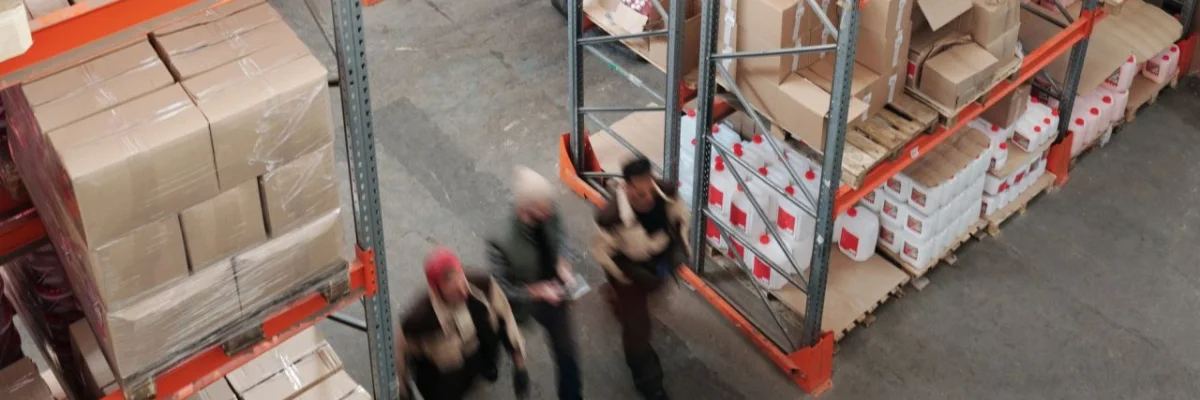
In the rapidly changing world of global logistics, freight forwarders face increasing pressure to balance speed, transparency, and operational efficiency. Moving away from manual documentation and scattered communication channels is no longer a luxury but a fundamental necessity for survival in a competitive market. By adopting cloud-based platforms and data-driven insights, forwarders can eliminate bottlenecks that traditionally slow down international trade. This shift not only improves the overall customer experience but also maximizes internal resource allocation. Embracing these technological advancements allows teams to focus on high-value strategic decision making rather than repetitive administrative tasks that hinder professional growth and expansion.
Automating Documentation Management

Digital transformation starts with how documents are processed. Manual data entry consumes valuable time and introduces human errors that lead to costly delays. By moving to automated systems, freight forwarders can ensure that documentation remains consistent and accessible for all relevant stakeholders.
- Reduce manual errors: Automating repetitive data entry tasks ensures that information is accurate and consistent across all shipping documents, effectively minimizing the risk of costly customs delays or compliance penalties.
- Centralize document access: Maintaining a single source of truth for all shipping records allows team members to retrieve critical information instantly without wasting time searching through fragmented email threads.
- Speed up workflows: Electronic document processing significantly accelerates the clearance process, allowing forwarders to manage larger volumes of cargo with fewer resources while maintaining high levels of operational speed.
- Enhance data security: Cloud-based platforms offer encrypted storage solutions that protect sensitive client information from unauthorized access, ensuring that your firm remains compliant with global data privacy standards today.
Transitioning toward an automated document workflow provides a competitive edge that is difficult for traditional firms to match. By leveraging these modern tools, your business can significantly decrease the turnaround time for essential paperwork while simultaneously boosting client satisfaction levels. Investing in reliable digital infrastructure today creates a stable foundation for scalable operations as your freight forwarding business continues to grow globally.
Real Time Shipment Tracking
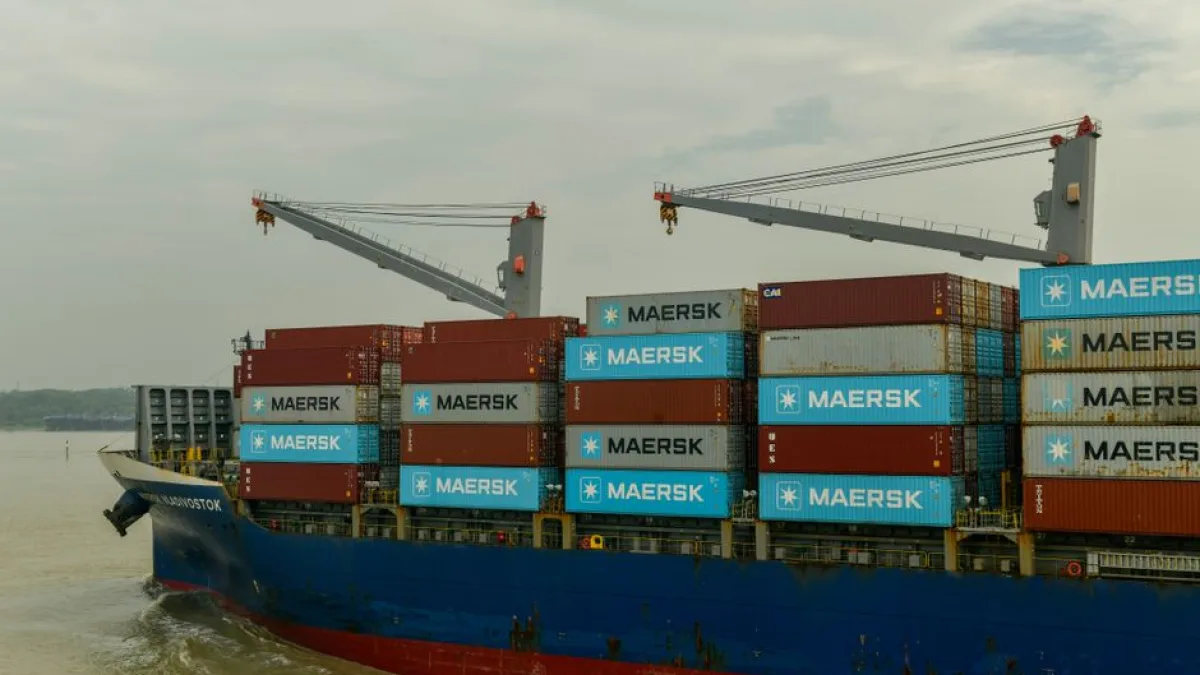
Providing customers with live updates on shipment locations has become a standard requirement in the logistics industry. Real-time visibility tools bridge the gap between forwarders and clients, building trust and reducing the volume of status inquiries that hit your support team.
- Boost customer trust: Providing clients with accurate and live tracking data builds long-term confidence in your services, as they no longer need to guess where their cargo is currently located.
- Proactive issue management: Integrated tracking systems alert you to potential delays immediately, enabling your operations team to provide proactive solutions to customers before the shipment arrival is impacted negatively.
- Reduce support tickets: Giving clients direct access to tracking portals significantly lowers the number of routine status inquiries directed toward your logistics coordinators throughout the standard working week.
- Improve partner collaboration: Sharing live tracking data with ground transportation partners ensures everyone remains on the same page, resulting in better coordination and fewer misunderstandings during the transit process.
Modern customers demand complete transparency regarding their supply chain movements. By investing in robust tracking capabilities, your firm transforms the client experience from reactive to proactive. This increased visibility not only saves your team time but also positions your company as a modern leader in the logistics space. Consistent performance and transparency are the primary drivers of long-term client retention and positive reputation.
Enhancing Communication Channels

Clear communication is the heartbeat of successful logistics. When teams use disconnected systems, information silos form, leading to delays and missed details. Moving all internal and external communication into one unified platform ensures that no critical message is ever lost in transit.
- Unify communication flows: Consolidating email, chat, and task management into one platform prevents important updates from slipping through the cracks while ensuring all team members stay informed daily.
- Streamline client updates: Automated messaging features allow your team to send personalized status updates to clients automatically, ensuring consistent communication without requiring manual input for every single event.
- Improve team alignment: Centralizing discussions about specific shipments ensures that every logistics coordinator is working with the same information, which eliminates contradictions and reduces the chance of operational mistakes.
- Archive conversation history: Having a searchable history of all interactions helps resolve disputes quickly and provides a clear audit trail if any discrepancies arise during the complex shipment lifecycle.
Efficient communication is not just about speed but about clarity and documentation. By centralizing all interactions within your cloud platform, you empower your staff to work more effectively as a team. This collaborative environment reduces confusion and minimizes the time spent on administrative overhead, ultimately allowing your logistics business to operate at a much higher standard of professionalism and efficiency during peak periods.
Strategic Vendor Relationship Management

Your network of agents, carriers, and ground transport partners dictates the quality of your service. Managing these relationships through data-driven performance metrics allows you to identify high-performing partners and cut ties with those who consistently fail to meet your specific operational quality standards.
- Measure partner performance: Tracking KPIs such as transit times and communication response rates helps you identify which vendors are reliably supporting your business growth and which ones require attention.
- Improve vendor accountability: Providing your partners with transparent performance reports encourages them to maintain higher standards, which directly leads to better service quality for your ultimate end customers.
- Optimize route selection: Data collected from past shipments allows you to choose the best-performing carriers for specific lanes, maximizing both speed and cost-efficiency for your client shipping operations.
- Foster strong partnerships: Regular check-ins and performance reviews based on hard data facilitate more productive relationships with global agents, leading to better rates and preferential capacity during busy seasons.
Developing a data-driven approach to vendor management is essential for long-term scalability. By focusing on partners who align with your quality expectations, you ensure that your logistics network remains robust and capable. Using your freight forwarding software to monitor these relationships provides the insights needed to make informed decisions that drive profitability and ensure reliable service delivery for all your valuable cargo shipments.
Conclusion

Success in freight forwarding relies on the seamless integration of technology and strategic management. By focusing on document automation, real-time tracking, unified communication, and strong partner relationships, your business can achieve new levels of efficiency. Start implementing these best practices today to simplify your operations, delight your clients, and secure a stronger position in the global logistics market through smart, digital-first operational strategies.