Optimizing Freight Operations with Modern Software Solutions
Tuesday, July 21 2026
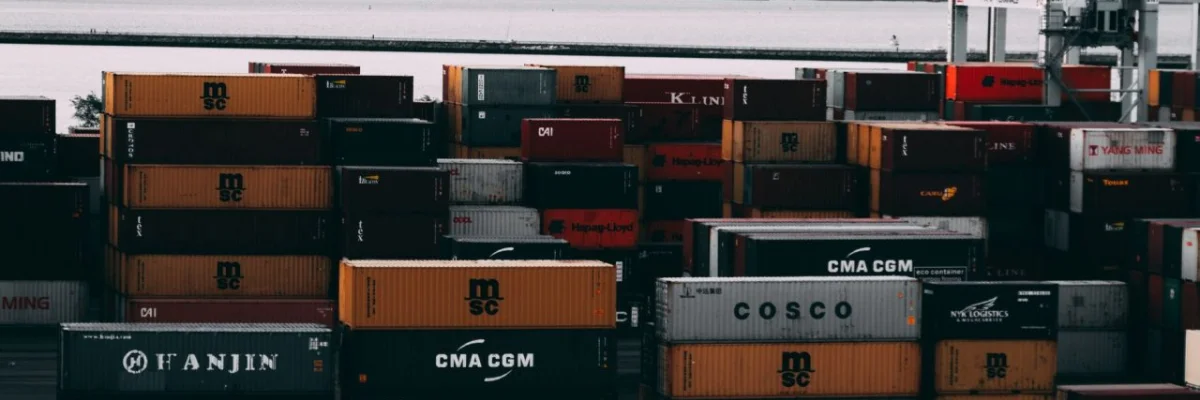
The global freight forwarding landscape is evolving at a rapid pace as digital transformation shifts from a competitive advantage to a fundamental requirement for survival. Professionals in the logistics sector face mounting pressure to provide real-time visibility, reduce operational errors, and handle complex customs documentation with absolute precision. By integrating cloud-based platforms, forwarders can break down communication silos and create a unified workflow that empowers teams to make data-driven decisions. Adopting these modern technological practices not only improves internal efficiency but also significantly elevates the overall service experience for your shipping clients across the globe.
Streamlining Documentation Workflows

Handling repetitive documentation is often the primary bottleneck for logistics teams, leading to delayed clearances and frustrated clients. Automating these manual data entry tasks allows your staff to focus on high-value activities that require human expertise and complex problem solving skills.
- Automated Data Capture: Modern software uses optical character recognition to pull critical information from invoices and packing lists directly into your system, which drastically reduces human typing errors.
- Centralized Document Storage: Maintain a single source of truth where every stakeholder accesses the latest versions of bills of lading and commercial invoices without searching through email threads.
- Standardized Filing Protocols: Implementing structured naming conventions and digital folders ensures that your team retrieves vital regulatory documentation in seconds rather than wasting time searching for files.
- Integrated Customs Filing: Direct connectivity with national customs portals allows you to submit declarations electronically, minimizing the risk of rejected filings and potential border delays for shipments.
By shifting away from legacy paper based processes, your organization gains a significant edge in speed and reliability. Digitization of your paperwork ensures that errors are identified before they become costly issues. Your team will benefit from a cleaner workspace while your clients enjoy a seamless shipping journey. Embrace these tools today to ensure your operations remain compliant, fast, and remarkably professional.
Enhancing Real Time Visibility

Providing clients with accurate shipment status updates remains the highest priority for freight forwarders looking to build long term loyalty. Advanced tracking software bridges the gap between carriers and shippers, offering transparent insights into every single leg of the journey.
- Live Status Dashboards: Provide your customers with a branded portal that displays live vessel locations and milestone status updates, reducing the need for constant phone inquiries and emails.
- Automated Customer Alerts: Set up triggers that notify your clients immediately if a shipment faces an unexpected delay, which keeps them informed and builds a strong trust.
- Carrier API Integrations: Connect directly with major shipping lines to pull live status updates into your management software without relying on manual status checks or legacy sites.
- Geofence Tracking Tools: Monitor specific warehouse entries and exits by using sophisticated geofencing technology that alerts your operations team exactly when cargo arrives at its destination site.
True visibility goes beyond just showing a coordinate on a map for your clients. It involves proactive communication that addresses potential risks before they cause major issues for the supply chain. When you provide transparent data, you transition from being a simple service provider to becoming a vital strategic partner. This level of service excellence is what truly distinguishes top tier forwarders today.
Improving Financial Management Accuracy

Financial accuracy and rapid billing are critical for maintaining healthy cash flow in the fast moving logistics industry. Moving your invoicing and reconciliation processes into a cloud environment prevents revenue leakage and ensures that your margins remain protected throughout the year.
- Automated Invoice Creation: Generate freight invoices directly from your operational data to ensure every charge is accounted for and no potential revenue is missed during final billing.
- Dynamic Currency Conversion: Handle multi-currency transactions with built-in tools that calculate exchange rates in real time, preventing losses due to fluctuating markets or manual calculation errors.
- Integrated Payment Portals: Allow your customers to settle their balances through secure online links, which speeds up the collection cycle and reduces your total accounts receivable days.
- Detailed Margin Analysis: Utilize advanced reporting modules to review the profitability of specific trade lanes or clients, helping you refine your pricing strategy for better bottom line results.
Optimized financial workflows remove the friction that often exists between logistics and accounting departments. By ensuring that your billing is as precise as your transit schedules, you build a foundation of financial stability that supports company growth. Consistent financial tracking provides the insights necessary to adjust your business model in real time, ensuring that every shipment contributes positively to your overall success.
Strengthening Team Collaboration

Efficient logistics operations rely on seamless communication between sales, operations, and customs teams throughout the shipment lifecycle. Cloud software provides a shared platform that keeps everyone aligned on task status and client requirements, effectively eliminating internal misunderstandings and communication breakdowns.
- Task Assignment Modules: Assign specific milestones to individual team members within the platform, ensuring clear accountability and preventing critical tasks from slipping through the cracks during busy cycles.
- Real Time Activity Logs: View an audit trail of every update made to a shipment, allowing managers to understand the full context of communication and decisions made historically.
- Internal Communication Threads: Use comment features attached directly to specific files or shipments to keep relevant discussions in context, rather than scattering them across various email messaging applications.
- Cloud Based Accessibility: Enable your team to access critical logistics data from any location, which is essential for maintaining operational continuity during remote or hybrid work environments.
Collaborative environments foster a culture of transparency that naturally leads to better problem solving and higher output quality. When your team has the right tools to communicate effectively, they spend less time clarifying status and more time delivering exceptional results. Invest in platforms that prioritize user experience and team connectivity to ensure that your workforce stays engaged, motivated, and fully aligned with your business goals.
Conclusion

Modernizing your freight operations through cloud technology is the most effective way to secure a competitive advantage in a crowded market. By focusing on documentation efficiency, visibility, financial precision, and team collaboration, you position your firm for sustained growth. Start your digital transformation journey today to streamline your processes, exceed client expectations, and build a more profitable future for your logistics business.