Optimizing Freight Operations with Modern Software Solutions
Wednesday, August 26 2026
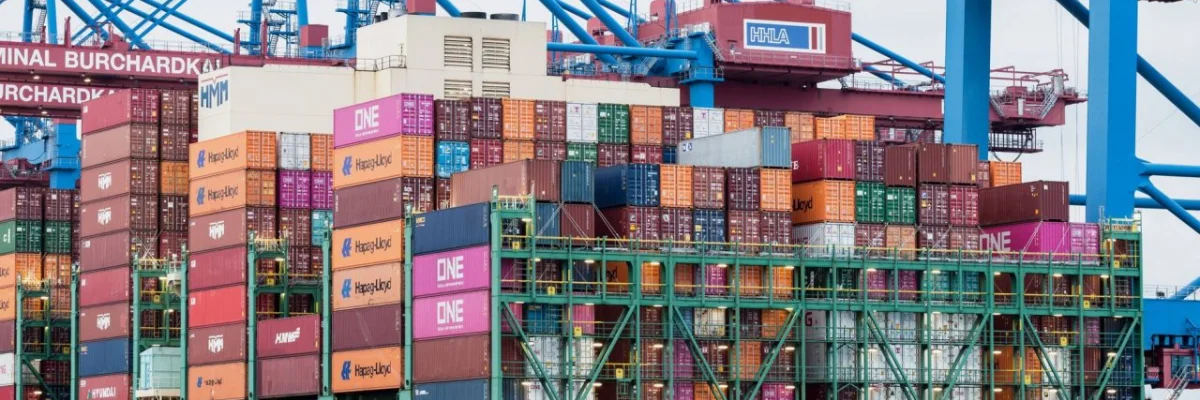
The global logistics landscape demands unprecedented levels of speed and accuracy from freight forwarders. As market volatility becomes the new standard, relying on manual processes and legacy spreadsheets is no longer a viable strategy for long-term growth. Forward-thinking companies are now shifting toward cloud-based platforms to harmonize their operations and provide real-time visibility to clients. By integrating intelligent software into your daily workflow, you can effectively eliminate redundant tasks and focus your human capital on high-value business development. Mastering these digital transformation tools is the definitive key to scaling your operations and maintaining a competitive edge in today's crowded international shipping market.
Digital Documentation Management

Transitioning from paper-heavy workflows to a centralized digital repository is essential for modern freight forwarders. By digitizing documents, you ensure that every stakeholder has immediate access to critical shipping records, which drastically minimizes the risks associated with manual data entry errors.
- Cloud document storage: Centralizing your files in a secure cloud platform allows team members to access vital shipment records from any location while ensuring comprehensive data protection and backups.
- Automated data extraction: Intelligent systems can automatically pull information from bills of lading or commercial invoices, which reduces the time spent on manual input by several working hours.
- Version control consistency: Maintaining a single source of truth for every document prevents confusion among staff members regarding which file version is the most recent and accurate.
- Instant document sharing: Speed up your communication cycles by sending electronic copies to customs brokers and partners instantly, which significantly reduces lead times for every specific shipment.
- Enhanced audit compliance: Digital archives create a permanent and searchable trail for every transaction, ensuring that your business remains fully compliant with all international trade shipping regulations.
Adopting a digital-first document strategy is a fundamental step toward achieving operational excellence within your organization. When you remove the friction of physical paper handling, your entire team gains the agility needed to handle complex customs requirements effortlessly. This transition creates a scalable foundation for your business, allowing you to process a higher volume of freight shipments without increasing your administrative overhead costs significantly.
Real-Time Shipment Visibility
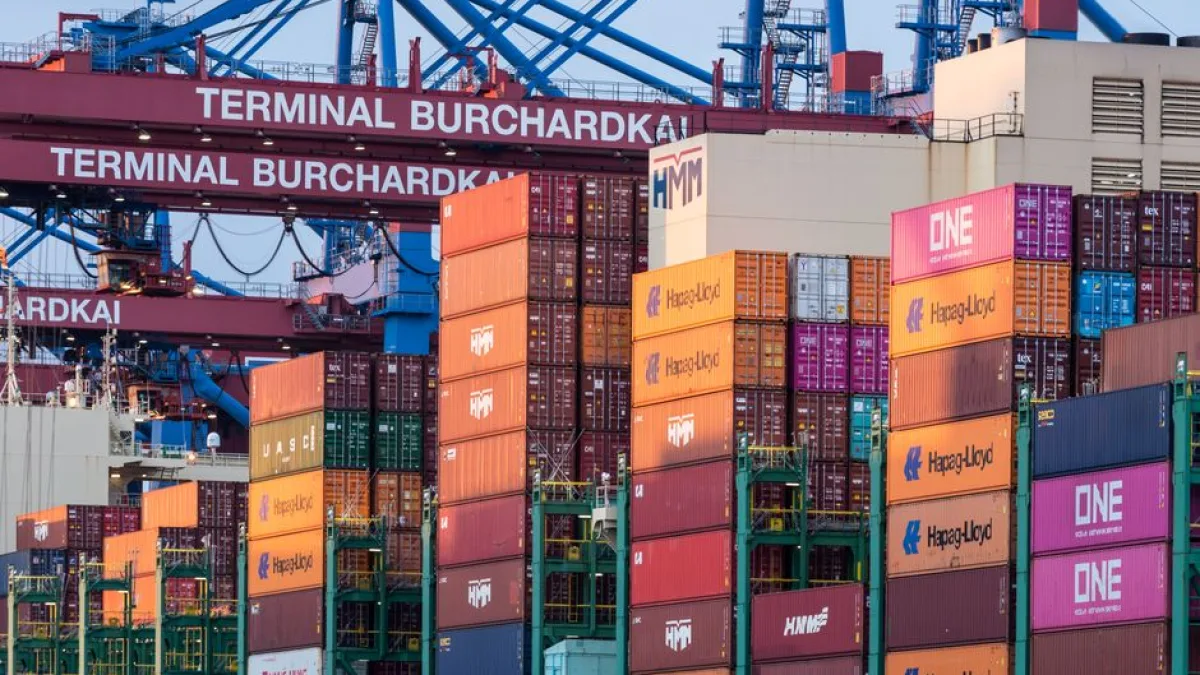
Providing clients with live updates regarding the status of their cargo is no longer just an optional value-add service. It is now a primary expectation. Leveraging automated tracking tools helps you communicate effectively and manage client expectations during potential transit delays.
- Live tracking portals: Offer your customers a dedicated dashboard where they can monitor their shipments in real time, which reduces the number of incoming status inquiry emails.
- Automated status alerts: Configure your platform to trigger automatic notifications for key milestones, keeping all stakeholders informed without the need for manual outreach or follow-up calls.
- Proactive delay management: Early detection of transit disruptions allows your team to find alternative routing solutions quickly, which preserves your professional reputation and strengthens client trust.
- Integrated carrier data: Connect your software directly with carrier APIs to fetch accurate location data, ensuring that your customers always receive the most reliable shipping information.
- Transparent communication channels: Maintain a consistent flow of information between parties, which helps resolve issues before they escalate into major customer complaints or financial losses.
Visibility serves as the backbone of superior customer service in the logistics industry. By utilizing software that offers granular insights into every stage of the journey, you empower your team to handle inquiries with total confidence. This high level of transparency distinguishes your agency from the competition and builds the long-term loyalty necessary for consistent growth in a very volatile market.
Automated Financial Workflows

Accurate billing and efficient accounts receivable processes are crucial for maintaining healthy cash flow. Automating your financial operations helps you avoid the common pitfalls of human error and ensures that your invoices are processed with maximum speed and reliability.
- Integrated billing systems: Link your shipping data directly to your accounting software, which ensures that all charges are captured correctly and reflected on final customer invoices.
- Smart expense tracking: Monitor your landed costs and overhead expenses in real time to ensure that every shipment remains profitable throughout the entire delivery lifecycle process.
- Faster invoice cycles: Reduce the gap between delivery and billing by automating invoice generation, which significantly improves your accounts receivable metrics and enhances your overall cash flow.
- Automated payment reminders: Set up automated triggers for follow-up on overdue invoices, saving your accounting staff from the tedious task of manual collection calls and email reminders.
- Precise currency conversion: Manage international transactions effortlessly with built-in tools that calculate multi-currency costs accurately, preventing losses caused by manual calculation errors or fluctuating market rates.
Streamlined financial management is the silent driver of success for any freight forwarding firm. When you remove manual invoicing bottlenecks, you free up your team to concentrate on strategic financial planning rather than routine data reconciliation tasks. This automated approach to money management ensures your business stays financially robust, providing you with the capital and security required for future expansion and innovation.
Scalable Team Collaboration

Effective collaboration is the glue that holds complex shipping processes together, especially across dispersed global teams. Utilizing collaborative software features ensures that everyone is aligned, reducing the internal friction that often delays critical supply chain movements and impacts your service levels.
- Shared task management: Assign specific responsibilities within your platform to ensure that every team member understands their role in the shipment journey, preventing task duplication and missed deadlines.
- Internal communication logs: Keep all correspondence related to a shipment within the task record, ensuring that any team member can pick up where others left off seamlessly.
- Role-based access controls: Ensure that employees and external partners only see the information relevant to their specific roles, which maintains internal data security and reduces system confusion.
- Seamless partner integration: Invite overseas agents and trucking partners to use your platform, creating a unified workspace that bridges the gap between different global logistics service providers.
- Performance analytics dashboard: Review team performance metrics within your software to identify areas where training or process improvements might be required for sustained organizational operational growth.
When your internal and external partners operate on a single platform, the complexity of global logistics becomes manageable and predictable. Fostering this environment of shared knowledge enables your team to act as a unified front, resolving issues faster and serving clients more effectively. Investing in collaboration software today pays dividends by creating a resilient and highly efficient workforce ready for tomorrow.
Conclusion

Digital transformation is no longer a luxury but an absolute requirement for modern freight forwarders aiming to thrive. By implementing these software best practices, you can effectively optimize your workflows, improve accuracy, and deliver superior service to your global client base. Start integrating these advanced tools into your operations today to secure a more profitable and efficient future for your logistics business.