Optimizing Freight Shipping and Tracking in the Digital Era
Saturday, August 1 2026

Modern logistics professionals face increasing pressure to provide real-time visibility and seamless coordination across global supply chains. As freight forwarding shifts from manual processes to cloud-based automation, the ability to track shipments with precision has become a critical competitive advantage. Customers now expect immediate updates on vessel movements, port congestion, and unexpected delays. By leveraging advanced software, forwarders can transform their operational transparency, reduce human error, and build stronger relationships with shippers. This guide explores the essential components of modern tracking systems, helping you move beyond legacy methods to achieve superior logistics performance and client satisfaction.
The Importance of Real Time Data
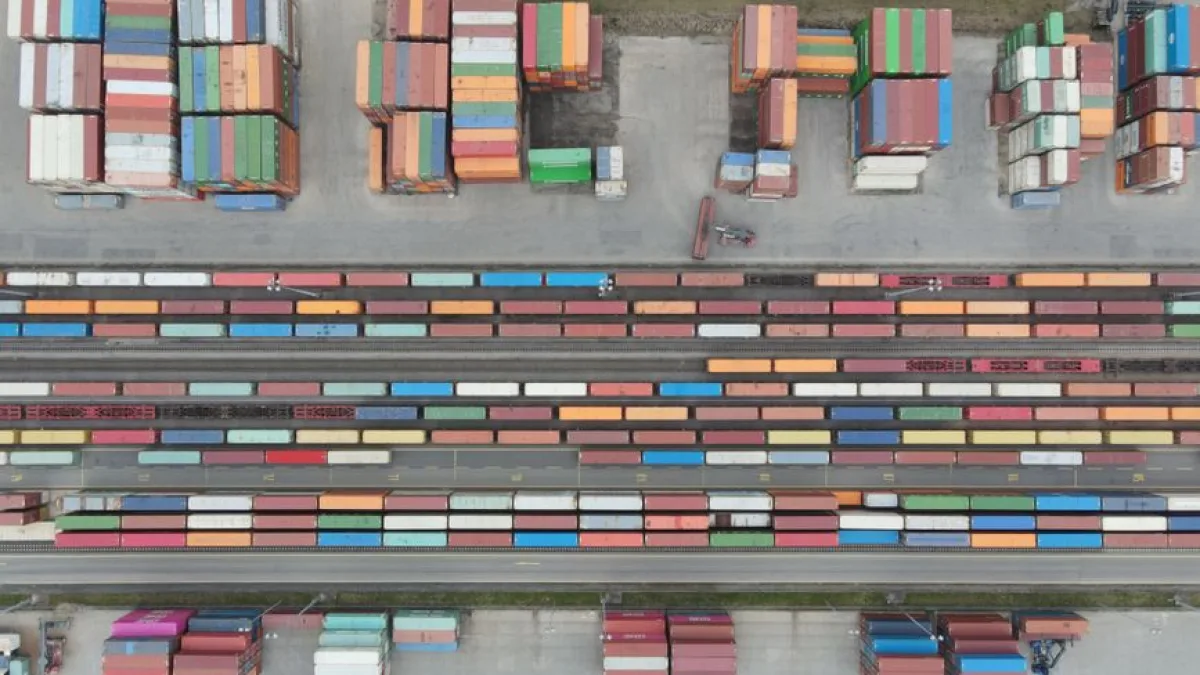
Real time data serves as the backbone for modern logistics operations, allowing teams to monitor cargo status accurately. With cloud connectivity, forwarders receive instant alerts regarding route changes or transit milestones, ensuring that every stakeholder remains informed throughout the shipping journey.
- Proactive Problem Solving: Access to live tracking information allows freight forwarders to anticipate delays before they impact the client, facilitating quick rerouting and minimizing potential disruptions to the supply chain.
- Enhanced Client Trust: Sharing live updates through a dedicated portal builds transparency with shippers, proving that your agency operates with professional rigor and utilizes the latest available technology.
- Resource Optimization: Automated tracking data helps managers allocate staff and transport assets effectively, reducing administrative overhead while increasing the total volume of shipments handled by your team.
- Accurate Arrival Predictions: Utilizing machine learning algorithms, modern systems predict arrival times with high precision, helping warehouse managers coordinate labor and inventory arrivals to maximize overall storage efficiency.
Investing in accurate tracking tools eliminates the reliance on fragmented email updates and manual spreadsheet tracking. When your data is centralized, you reduce the time spent chasing shipment status updates. This efficiency gain allows your team to focus on strategic planning and business development instead of repetitive manual tasks, ultimately driving higher profitability and enabling you to scale operations across international borders smoothly.
Integrating Visibility Across Global Networks
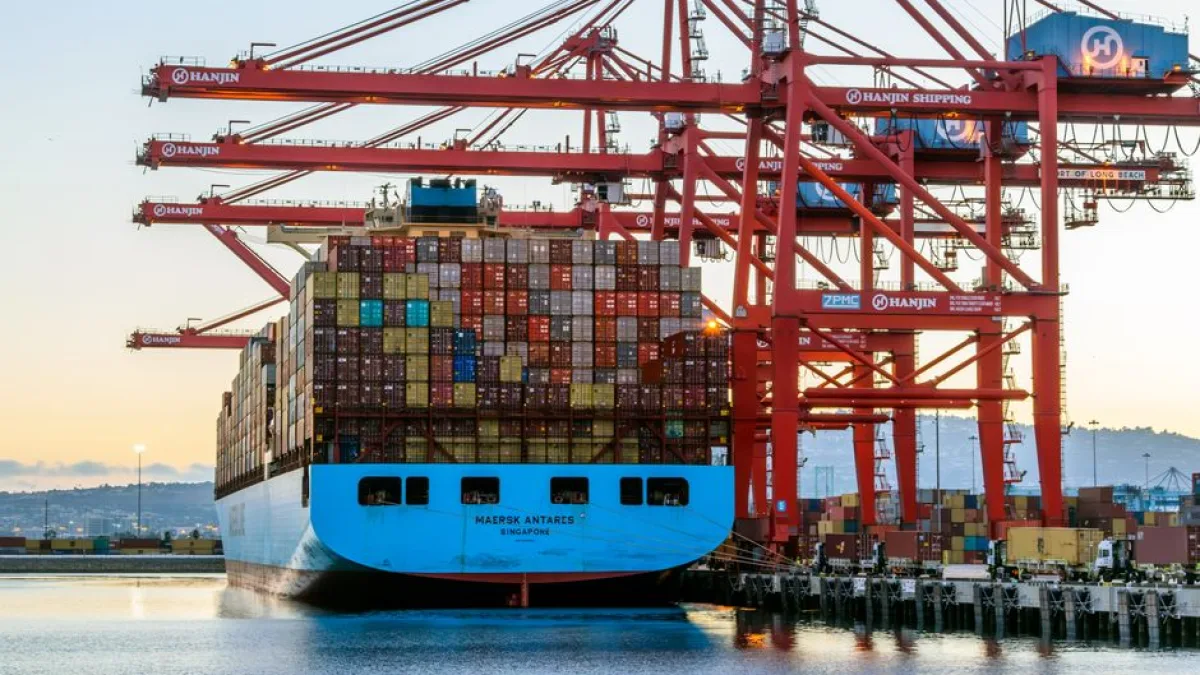
Connecting various shipping partners into one visibility platform allows for smooth information exchange. When carriers, ports, and forwarders share a digital ecosystem, the entire freight lifecycle becomes significantly more predictable for everyone involved in the transportation process.
- Unified Data Streams: Centralizing information from multiple ocean carriers and port terminals prevents communication gaps and ensures that your internal teams view the same accurate data points daily.
- Standardized Document Handling: Integrated software platforms ensure that shipping documents like bills of lading and commercial invoices are linked directly to specific tracking files for easy access.
- API Driven Updates: Direct integration via APIs allows your system to pull carrier information automatically, removing the risk of human entry errors during the manual data migration.
- Cross Border Compliance: Automated tracking features often include customs clearance markers, which notify your compliance team immediately when a shipment reaches a border checkpoint for duty processing.
Breaking down data silos is essential for modern freight forwarders who manage diverse international routes. By adopting integrated tracking solutions, you turn raw carrier data into actionable intelligence. This transition reduces operational friction, speeds up internal reporting, and ensures that your customers receive consistent, high-quality updates regardless of which specific transport partner is handling the physical movement of their valuable goods.
Advanced Analytics for Operational Efficiency

Data analytics provide the foresight needed to improve long-term decision making in freight forwarding. By reviewing historical tracking data, firms can identify patterns in carrier performance, port congestion, and transit times, allowing them to optimize future shipping strategies for clients.
- Carrier Performance Reviews: Detailed reports generated from tracking data reveal which shipping lines offer the most consistent reliability, allowing you to prioritize partners that protect your reputation.
- Bottleneck Identification: Statistical analysis highlights specific ports or corridors prone to recurring delays, enabling your planning team to proactively suggest alternative routes for your high-value customers.
- Cost Saving Opportunities: Analytics tools detect inefficiencies in current booking patterns, helping you negotiate better rates with carriers based on documented volume and consistent routing habits over time.
- Data Driven Forecasting: Forecasting demand based on historical shipment trends allows your company to prepare for seasonal surges and allocate the necessary capacity to meet customer needs.
Turning shipping data into strategic assets differentiates your forwarding business from competitors who rely solely on intuition. By using analytics to audit your past performance, you gain clear insights into what works and where improvements are necessary. This systematic approach to operations fosters continuous growth and ensures your company remains a reliable partner for shippers facing a complex and volatile global market.
Improving the Customer Experience

The final link in the shipping process is the communication delivered to the end customer. Providing an intuitive interface for tracking shipments ensures that clients feel in control, which is vital for retaining business in the competitive freight forwarding industry today.
- Self Service Portals: Giving shippers direct access to tracking dashboards reduces the volume of status inquiry emails, allowing your customer service team to prioritize complex account management.
- Customizable Notifications: Allowing clients to set their own alert preferences ensures they receive updates on their terms, increasing satisfaction and reducing communication friction for your office staff.
- Mobile Accessibility: Ensuring your tracking platform is mobile responsive allows stakeholders to monitor shipments on the go, making your services indispensable to busy logistics managers everywhere.
- Brand Consistency: White label tracking portals display your company branding, reinforcing your professional identity and keeping your name at the forefront of the customer experience during shipping.
Prioritizing the customer experience is what transforms a standard freight forwarding service into a long-term strategic partnership. By offering transparency and easy digital access to shipment data, you empower your clients to manage their own supply chains more effectively. This level of service builds deep loyalty, encourages repeat bookings, and positions your organization as a modern leader within the evolving global freight industry.
Conclusion

Mastering freight shipping and tracking requires a commitment to digital transformation and continuous process improvement. By centralizing data, leveraging analytics, and focusing on the client experience, forwarders can navigate complex logistics challenges with confidence. Embrace these modern tools to enhance your operational efficiency and strengthen your market position today. Visit MakeCargo to learn how our platform streamlines these essential forwarding tasks effectively.