Optimizing Freight Shipping and Tracking in Modern Logistics
Monday, September 7 2026
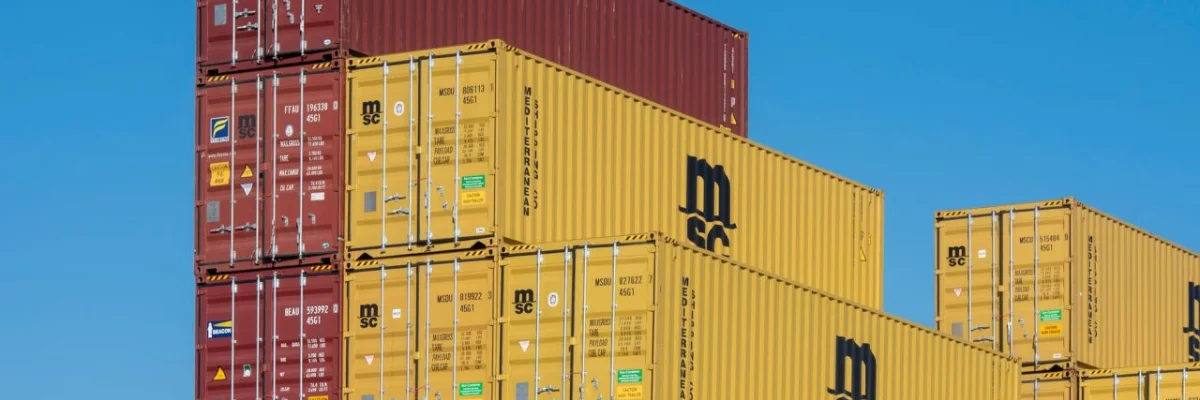
Navigating the complexities of modern global logistics requires a sophisticated approach to data management and real time oversight. Freight forwarders today face unprecedented pressure to provide granular visibility across complex supply chains while maintaining cost efficiency and operational speed. By integrating advanced digital tracking capabilities, professionals can transform reactive workflows into proactive management strategies. This shift not only improves client satisfaction through accurate status updates but also reduces the risks associated with transit delays and bottlenecks. Leveraging cloud based technology ensures that every stakeholder remains informed, creating a resilient logistics ecosystem that thrives despite unpredictable global market fluctuations and unforeseen transit challenges.
Strategic Vessel Monitoring
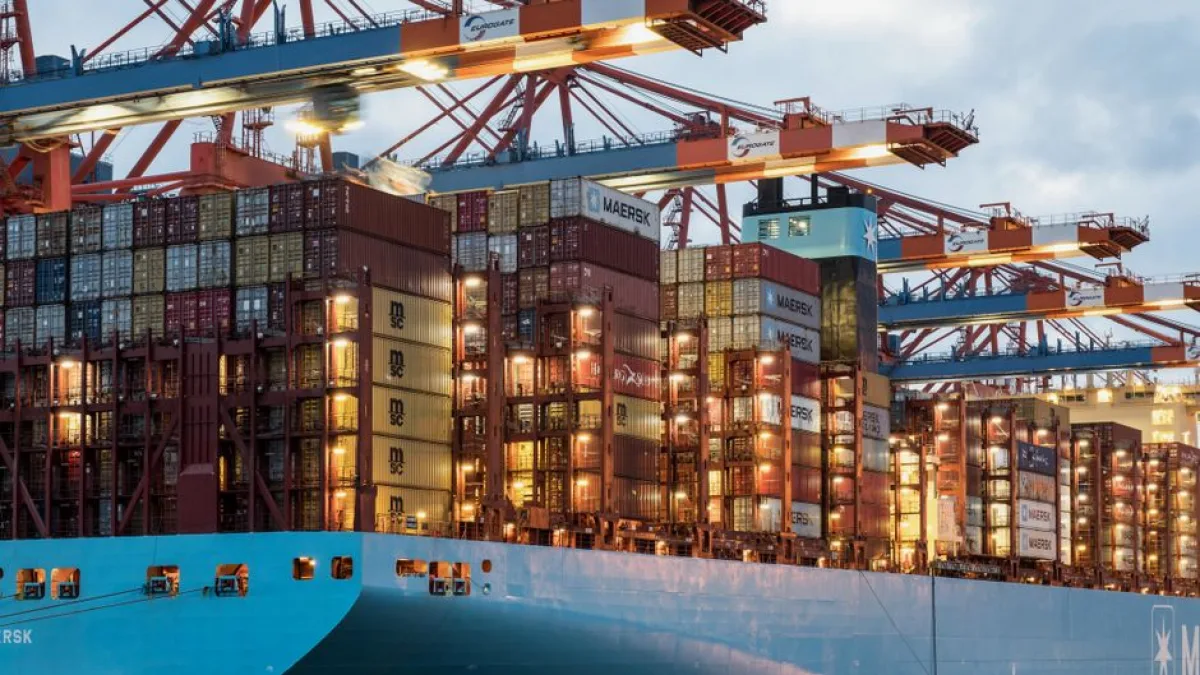
Monitoring vessels in real time provides an essential layer of transparency that modern shippers demand. By integrating satellite tracking with advanced digital platforms, forwarders gain immediate insights into vessel movements, port congestion, and potential routing changes during long ocean voyages.
- Automated ETA Updates: System generated notifications provide accurate arrival times by continuously analyzing vessel speed, weather patterns, and port activity to keep all stakeholders aligned on schedule changes.
- Congestion Mitigation Tactics: Access to port data allows forwarders to identify traffic spikes early, enabling them to reroute shipments or adjust inland transport bookings before costs escalate further.
- Real Time Visibility: Digital dashboards aggregate location data from multiple carriers, offering a centralized view that eliminates the need for manual tracking emails and phone calls.
- Exception Management Workflow: Automated alerts notify operations teams the moment a shipment deviates from its planned route, allowing for immediate corrective actions to minimize final delivery delays.
Proactive vessel monitoring is no longer an optional luxury but a fundamental necessity for competitive freight forwarding businesses. By utilizing automated data streams, teams can focus their energy on high value problem solving rather than manual data entry. This transformation builds trust with clients, who value the reliability and transparency that modern digital logistics platforms consistently provide to their global supply chains.
Digital Documentation Flow

The digitization of shipping documents drastically reduces processing times and human error in customs clearance workflows. Managing bills of lading, commercial invoices, and packing lists through a unified cloud platform ensures that compliance data remains accessible, accurate, and secure throughout.
- Instant Document Access: Storing all shipping files in a secure cloud repository enables authorized team members to retrieve critical paperwork from any location without unnecessary delays.
- Compliance Error Reduction: Automated validation tools flag missing or incorrect data fields during the document preparation phase to prevent costly customs holds at various international borders.
- Secure Data Sharing: Permissions based access controls allow forwarders to share sensitive shipping documents with clients and agents safely without relying on insecure email file attachments.
- Version Control Mastery: Centralized document storage tracks every change made to a file, ensuring that the entire logistics team works from the most current and verified information.
Efficient document management directly correlates to faster shipment processing and smoother clearance experiences for your global customers. By replacing manual paperwork with structured digital flows, forwarders can significantly enhance operational accuracy and speed. This digital evolution empowers staff to handle larger shipment volumes with greater confidence and precision, ultimately contributing to a more scalable and profitable logistics organization in the long run.
Client Communication Portals

Dedicated customer portals serve as the primary interface for shipping transparency and proactive communication. Providing clients with direct access to shipment tracking and status history empowers them, fostering deeper professional relationships and reducing the support burden on your team.
- Self Service Tracking: Clients can log into custom portals to view the real time status of their cargo, which reduces the volume of status inquiry emails.
- Proactive Notifications Setup: Configurable alerts allow customers to choose how and when they receive updates, ensuring that stakeholders stay informed about key milestones throughout transit phases.
- Unified Communication Hubs: Centralized messaging features within the platform keep all shipping related discussions linked to specific bookings, preventing vital information from being buried in inboxes.
- Performance Reporting Analytics: Portals can generate custom reports on shipping history and transit times, helping clients analyze their supply chain performance and improve their future logistics decisions.
Client portals transform standard shipping updates into a competitive advantage by providing unparalleled transparency and self service capabilities. When customers have immediate access to their shipment data, their reliance on manual inquiries drops, allowing your team to focus on strategic growth. This level of professional engagement builds long term loyalty, positioning your freight forwarding business as a modern and reliable partner.
Predictive Analytics Application

Predictive analytics allow forwarders to forecast potential disruptions before they impact final delivery schedules. By analyzing historical shipment data and seasonal market trends, companies can make informed decisions that optimize routing, carrier selection, and overall supply chain resource allocation strategies.
- Historical Trend Analysis: Analyzing past shipping data helps teams identify recurring seasonal bottlenecks, allowing them to book space earlier to avoid peak period capacity issues and surcharges.
- Capacity Planning Accuracy: Predictive models assist forwarders in anticipating demand spikes, ensuring they secure enough carrier space to maintain service levels during high volume shipping periods.
- Risk Assessment Tools: Evaluating past performance data of specific ports or carriers helps logistics teams choose the most reliable routes for their most time sensitive cargo shipments.
- Cost Optimization Modeling: Data driven insights enable companies to identify the most cost effective routing options by comparing historical rates against current market fluctuations and availability.
Applying predictive analytics marks the difference between reactive logistics and strategic supply chain management. By turning raw historical data into actionable intelligence, forwarders can navigate complex global markets with greater confidence and foresight. This analytical approach drives continuous improvement across all your operations, ensuring that your business remains ahead of the curve while delivering superior service quality to your global clients.
Conclusion

Mastering freight shipping and tracking requires a blend of advanced software tools and proactive operational strategies. By digitizing documents, leveraging real time monitoring, and utilizing predictive analytics, forwarders can offer superior value in a competitive market. Start streamlining your logistics processes today to enhance client trust, improve operational efficiency, and secure a sustainable future for your business through smart and scalable cloud technology solutions.