Optimizing Freight Shipping and Tracking in the Digital Age
Sunday, September 13 2026
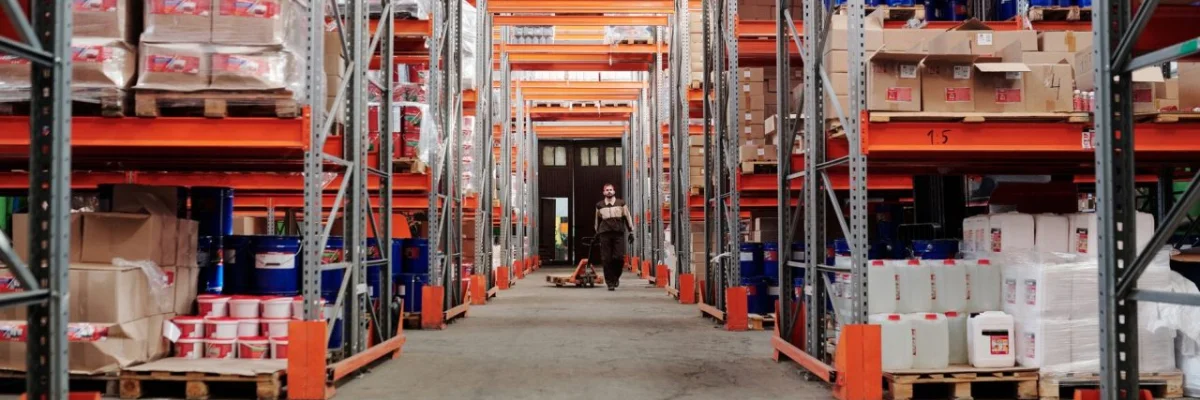
The global logistics landscape is evolving rapidly, demanding higher levels of visibility and precision from modern freight forwarders. As supply chain complexities increase, the ability to provide real-time updates and seamless cargo monitoring becomes a critical competitive advantage. Customers now expect instant clarity regarding their shipment status, which puts significant pressure on traditional manual tracking processes. By integrating cloud-based software, forwarders can transform their operations, reduce communication delays, and foster stronger relationships with clients. Mastering the nuances of digital shipping and tracking is no longer an optional luxury but a fundamental necessity for businesses aiming to thrive in an interconnected global marketplace.
Leveraging Real-Time Visibility
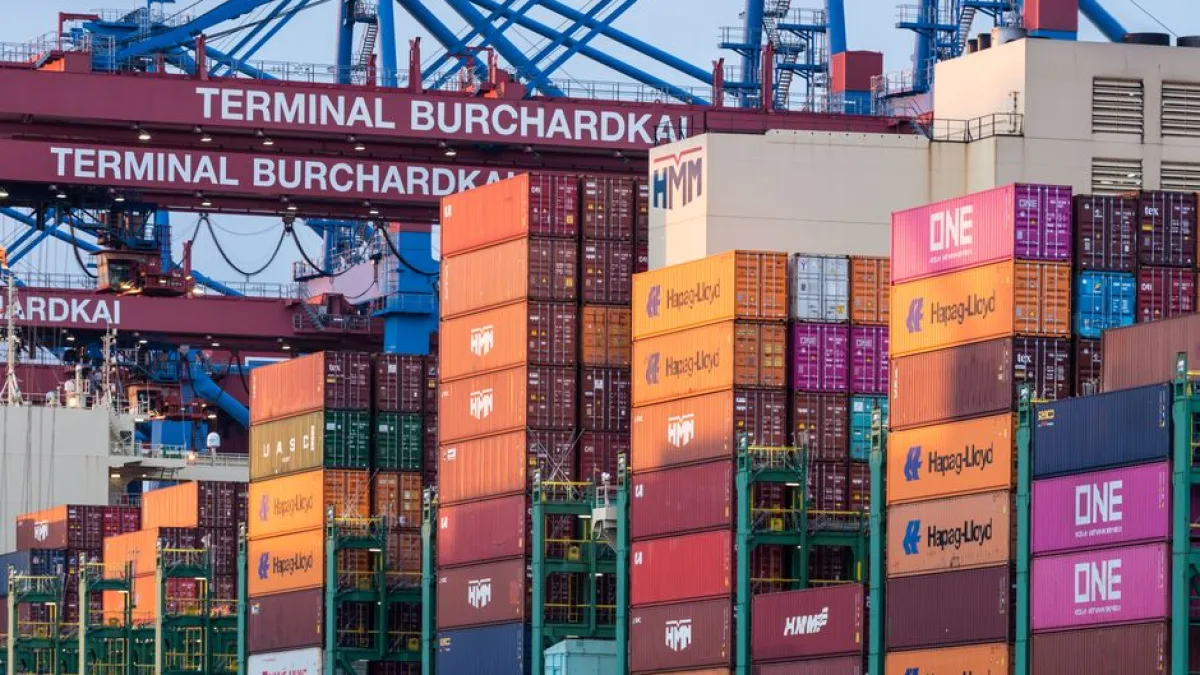
Real-time data provides an unmatched level of transparency that keeps stakeholders informed throughout the entire logistics journey. Modern digital tools empower teams to monitor assets continuously, ensuring that potential issues are identified and resolved before they escalate into major disruptions.
- Enhanced Data Accuracy: Automated systems minimize the risk of human error by syncing live carrier feeds directly into your platform to ensure that all shipment details remain consistently accurate.
- Proactive Problem Solving: Access to instant location data allows logistics coordinators to anticipate delays caused by weather or port congestion and notify clients with actionable alternative routing solutions.
- Client Confidence Boost: Providing a dedicated portal for tracking increases customer trust by allowing them to check the progress of their cargo independently at any given hour.
- Reduced Manual Work: Automated tracking updates eliminate the need for repetitive status emails, freeing up your professional staff to focus on strategic growth rather than administrative tasks.
Adopting a real-time visibility strategy represents a major leap forward for any logistics provider. By removing the guesswork from global shipping, you create a seamless workflow that benefits both your operational team and your end customers. This digital shift ensures that your business remains agile, responsive, and ready to tackle the challenges of modern trade while maintaining the highest service standards in the industry.
Automating Shipment Status Notifications

Automation is the heartbeat of efficient shipping management. By setting up automatic triggers for status changes, your team can deliver timely updates to clients without lifting a finger, creating a professional experience that drives repeat business and long-term customer loyalty.
- Triggered Email Alerts: Configure your software to send automated notifications at key milestones such as departure, customs clearance, or final delivery to keep all involved parties fully informed.
- Unified Communication Hubs: Centralizing communication within the software platform prevents scattered information and ensures that every team member can access the latest shipment history instantly at once.
- Customizable Reporting Features: Create tailored reports that highlight specific performance metrics, allowing your clients to visualize their supply chain efficiency and track key operational milestones over time.
- Seamless API Integration: Connecting your platform with carrier systems enables a frictionless flow of status data that keeps your operations synchronized with global transportation networks at scale.
Streamlined communication is the ultimate hallmark of a high-performing freight forwarding firm. When your systems handle the routine notification process, your staff can dedicate their energy to solving complex logistics problems. This transition from reactive updates to proactive information delivery turns your tracking department into a value-added service, ensuring your clients feel supported and well-informed throughout the entire duration of the transit.
Mastering Multi-Modal Tracking Solutions
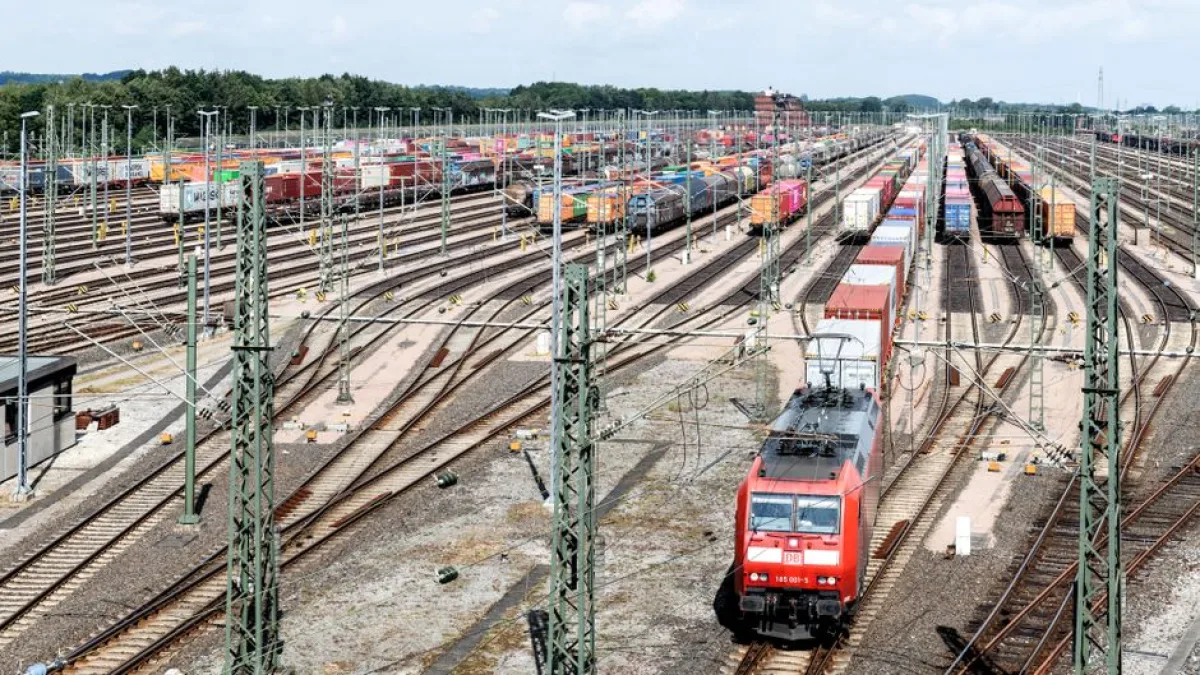
Managing freight across sea, air, and land requires a robust tracking system capable of consolidating data from diverse sources. Achieving a unified view of multi-modal shipments allows forwarders to maintain control regardless of the transport method, reducing the typical fragmentation associated with international logistics.
- Unified Data Streams: Integrate tracking data from ocean carriers, airlines, and road freight providers into a single interface to eliminate the need for logging into multiple portals.
- Segmented Milestone Tracking: Break down complex door-to-door movements into manageable milestones, providing granular updates for each stage of the journey from origin to final delivery destination.
- Exception Management Tools: Utilize advanced alerts that highlight specific segments where a shipment might be delayed, enabling your team to intervene precisely where the bottleneck currently exists.
- Improved Resource Planning: Analyze historical performance data across different transport modes to optimize your future carrier selection and improve overall transit times for your valued client base.
Success in multi-modal shipping depends on your ability to synthesize information from various logistical legs into one cohesive story. A unified software approach allows your team to manage complex movements with total confidence and precision. By mastering these disparate data streams, you elevate your operational capabilities, ensuring that your firm remains the preferred partner for complex global supply chain requirements and demanding shipments.
Building Resilient Digital Operations

Resilience is built upon a foundation of strong digital architecture. As market conditions shift, the ability to adapt your tracking workflows ensures that your firm stays operational and efficient, regardless of external disruptions that may impact the broader international trade environment.
- Scalable Cloud Infrastructure: Transitioning to cloud-based systems allows your operation to scale effortlessly during peak shipping seasons without the burden of maintaining expensive, outdated on-premise hardware solutions today.
- Secure Data Management: Robust cloud security measures protect sensitive shipping documentation and client data, ensuring compliance with international regulations and mitigating the risks associated with cyber security threats.
- Collaborative Workflow Tools: Enable seamless collaboration between global offices by providing a shared digital environment where documents and tracking updates are accessible to every authorized team member.
- Continuous System Updates: Cloud platforms provide regular software enhancements, ensuring that your tracking capabilities stay ahead of industry standards and emerging technology trends in the logistics sector.
Future-proofing your logistics firm requires a commitment to flexible and secure digital infrastructure. By embracing cloud technology, you insulate your company from the risks of system failure and operational bottlenecks. This strategic investment not only improves current productivity but also establishes a stable platform for growth. Your clients will appreciate the reliability and security that define your modern, forward-thinking logistics organization.
Conclusion
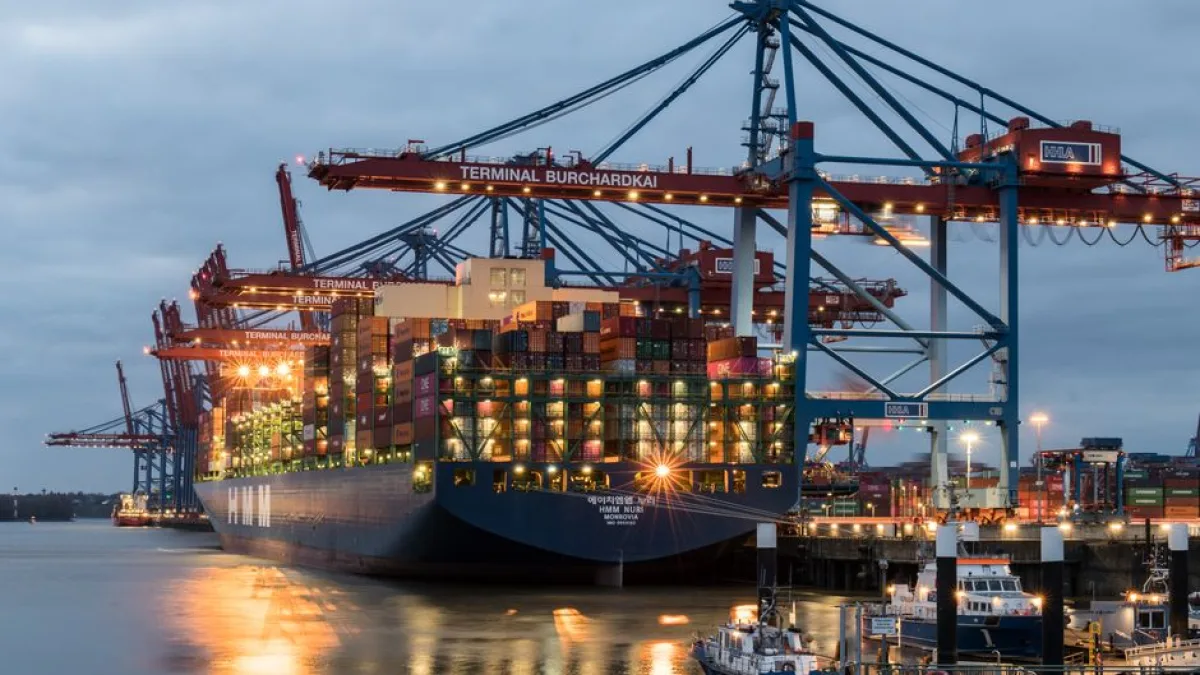
Optimizing your approach to shipping and tracking is vital for sustained success in the competitive freight forwarding industry. By leveraging real-time visibility, automated notifications, and robust cloud technology, you provide superior value to your clients. Start modernizing your operations today to ensure that your business remains efficient, transparent, and ready to meet the evolving demands of the global logistics market with confidence.