Optimizing Freight Shipping and Tracking in the Digital Age
Sunday, October 11 2026

Modern freight forwarding requires a shift toward complete transparency to meet the growing expectations of global supply chains. As businesses operate across borders, the need for real time visibility into cargo movement becomes a necessity rather than a luxury. By leveraging cloud based platforms, logistics professionals can reduce operational bottlenecks and provide clients with accurate updates throughout the shipping journey. This article explores essential strategies for enhancing tracking capabilities and ensuring your logistics operations remain competitive in a fast paced market while minimizing human error and maximizing efficiency through smart digital transformation.
Automated Tracking Systems
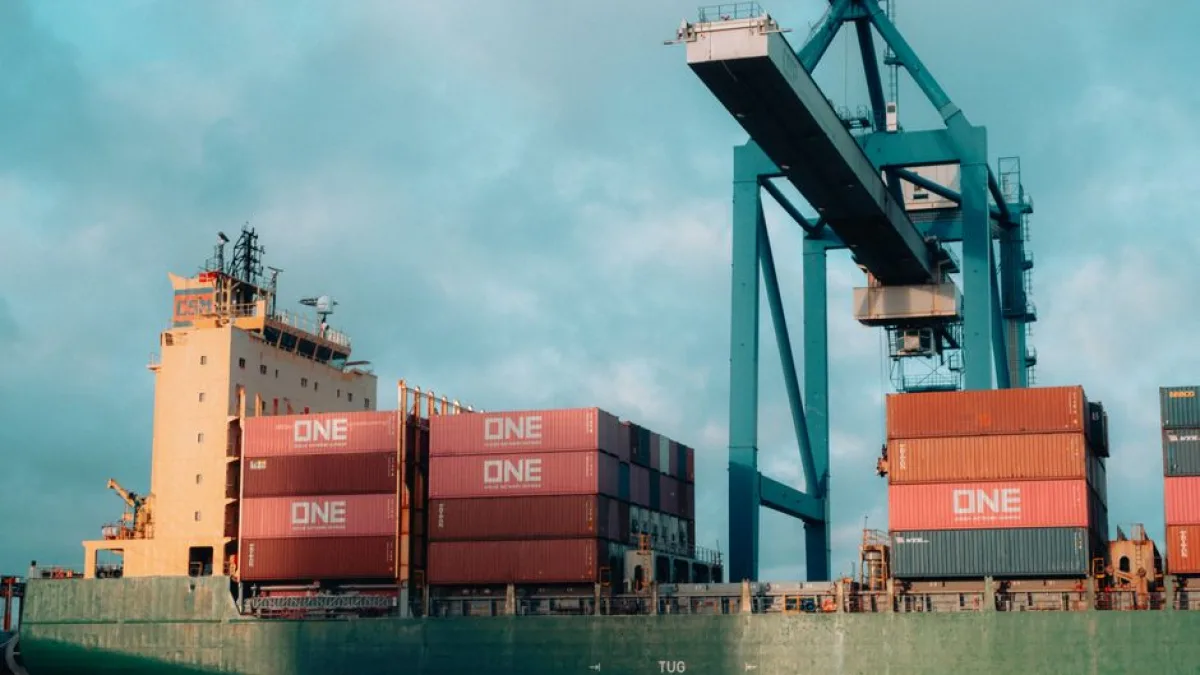
Automated tracking technologies are revolutionizing how forwarders manage shipment visibility by replacing manual updates with direct data feeds. These systems ensure that every stakeholder stays informed, reducing the need for constant phone calls and repetitive email chains for status requests.
- Improved Visibility Levels: Automated systems allow logistics teams to monitor cargo from origin to destination using live tracking data that updates automatically without any manual intervention from your staff members.
- Client Trust Growth: Sharing precise and updated tracking information builds long term trust with your customers because they feel empowered to manage their own inventories with accurate data.
- Reduced Manual Work: Automating shipment updates significantly decreases the time spent on administrative tasks, allowing your logistics professionals to focus on solving complex problems instead of tracking status.
- Proactive Issue Management: When shipments face delays, automated notifications alert your team immediately so you can notify clients before they reach out with concerns about their missing goods.
- Data Accuracy Gains: Removing human error from the tracking process ensures that your records remain clean and precise, which is vital for billing accuracy and long term reporting.
Adopting automated solutions is no longer optional for companies aiming to scale their operations. By integrating these tools, you reduce operational friction and free up valuable time for your team to focus on growth strategies. Enhanced visibility not only improves customer satisfaction but also provides a solid foundation for data driven decision making across your entire logistics department throughout the busy shipping seasons.
Cloud Integration Benefits

Cloud platforms bridge the gap between disparate systems, creating a centralized source of truth for all shipping documents. This integration ensures that your team accesses the same real time information regardless of their physical location or the device they use.
- Unified Data Access: Centralized cloud platforms ensure that every department has access to the same updated shipping information, which prevents miscommunication and reduces errors during complex international transit.
- Global Team Collaboration: Cloud tools allow your team members to collaborate on shipments from anywhere in the world, ensuring smooth handoffs between different offices or overseas agent partners.
- Scalable Infrastructure Growth: Software as a service platforms scale with your business volume, meaning you do not need to invest heavily in local server hardware as your company grows.
- Enhanced Data Security: Leading cloud providers offer robust security protocols that protect your sensitive commercial data from breaches, ensuring your trade secrets remain safe and fully compliant.
- Faster Decision Making: Having instant access to global shipment data allows managers to make informed decisions quickly, which is critical when navigating unexpected supply chain disruptions or delays.
Transitioning your freight forwarding operations to the cloud offers unparalleled flexibility in a global market. By keeping your data accessible, you foster a collaborative environment where efficiency is prioritized. This digital shift supports better long term planning and creates a resilient infrastructure capable of handling the complexities of modern international trade while maintaining the highest possible standards for your valued global clients.
Real Time Milestone Alerts

Milestone alerts provide granular updates that keep forwarders and shippers ahead of the curve. These proactive notifications ensure that key checkpoints are tracked, allowing for better synchronization across the entire logistics chain from the factory floor to final delivery.
- Automated Milestone Tracking: Setting up alerts for specific milestones like vessel departure or customs clearance ensures that you are always aware of the exact status of cargo.
- Customizable Client Alerts: You can configure notification settings to provide your customers with tailored updates that meet their specific business needs, enhancing the quality of your services.
- Efficient Exception Management: Receiving immediate alerts when a shipment is flagged for inspection helps you address problems quickly, preventing long wait times at critical border checkpoints.
- Improved Transit Planning: Real time data allows for better route planning, as your team can adjust logistics strategies if a specific port or transit hub experiences heavy congestion.
- Transparent Communication Flow: Consistent updates remove uncertainty from the shipping process, making it much easier to manage client expectations during times of global supply chain volatility today.
Utilizing milestone alerts is a strategic way to maintain control over your logistics operations. By keeping all parties informed of progress, you significantly reduce the stress associated with complex shipments. This commitment to transparency helps you differentiate your services in a crowded market. When you know exactly where a shipment is at any given moment, you can manage your logistics network with absolute confidence.
Optimizing Workflow Efficiency

Optimizing your internal workflows ensures that the data gathered from tracking systems is translated into actionable insights. Efficient processes convert raw data into better service delivery, ensuring that your team operates at maximum productivity levels at all times of the day.
- Streamlined Data Handling: Efficient workflows ensure that shipment data is processed and shared without unnecessary delays, keeping your operational pace aligned with client demands for fast results.
- Defined Process Standardization: Standardizing how your team tracks cargo ensures that every shipment receives consistent attention, which minimizes the likelihood of mistakes during high volume periods of activity.
- Performance Metric Tracking: By monitoring your internal workflows, you can identify areas for improvement, such as reducing the time spent on customs paperwork or drayage coordination.
- Resource Allocation Success: Clear workflows help managers assign tasks more effectively, ensuring that your most skilled team members are focused on the most complex logistical shipping challenges.
- Continuous Improvement Cycle: Regularly reviewing your processes allows you to refine your operations constantly, ensuring your freight forwarding business remains agile and responsive to changing market conditions.
Efficiency is the cornerstone of a successful logistics business. By continuously evaluating and refining how you handle shipment data and internal tasks, you create a sustainable advantage. This proactive approach to workflow management allows your team to handle more volume without compromising on quality. As you build these habits, you ensure your platform remains a leader in the global freight forwarding industry today.
Conclusion

Mastering freight shipping and tracking is essential for success in the modern logistics landscape. By adopting automated tools, cloud solutions, and proactive alert systems, you create a transparent experience for your clients. Focusing on operational efficiency through digital integration allows your company to scale and thrive. Start transforming your business today by implementing these strategies to improve your overall freight visibility and customer service.