Optimizing Freight Shipping and Tracking in a Globalized Economy
Thursday, October 15 2026

Modern freight forwarding is an intricate dance of logistics, coordination, and precise timing. As global supply chains grow increasingly complex, professionals must leverage advanced digital tools to maintain visibility and efficiency. The shift from manual spreadsheet management to cloud-based platforms is no longer a luxury but a fundamental necessity for survival. By integrating robust shipping and tracking workflows into daily operations, forwarders can mitigate risks, reduce delays, and provide superior client service. This article explores how adopting smarter technological strategies allows modern logistics providers to scale their operations effectively while navigating the unpredictable nature of today's international trade landscapes.
Mastering Real Time Visibility
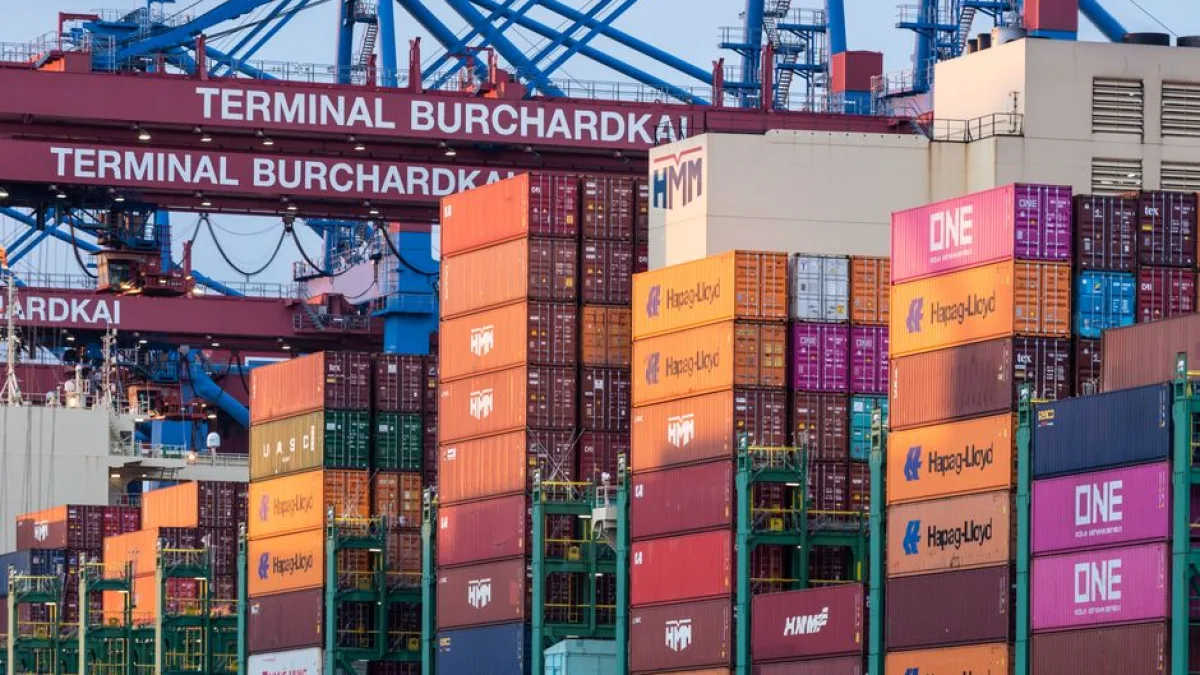
Real-time visibility represents the cornerstone of modern logistics, allowing forwarders to monitor shipments across diverse transit points. By leveraging live data, companies can anticipate disruptions and provide clients with accurate arrival estimations that foster trust and long-term business partnerships.
- Live tracking integration: Synchronizing carrier data feeds directly into your software provides instant updates on shipment status without the need for manual emails or phone calls to various local carriers.
- Automated milestone alerts: Configure custom notifications that trigger whenever cargo reaches a specific transit hub to ensure that your team stays informed regarding any potential delays or schedule changes.
- Geographic data mapping: Utilizing visual map interfaces allows dispatchers to quickly identify shipment locations globally, simplifying the decision making process for rerouting cargo when environmental hazards or strikes occur.
- Client portal access: Offering your customers secure, self-service access to shipment tracking reduces administrative inquiries and empowers them to monitor their own inventory movements throughout the global transit cycle.
Achieving total transparency requires a commitment to digital integration across all carrier interfaces. When forwarders replace legacy communication channels with automated tracking, they eliminate human error and data silos that commonly plague the industry. This proactive approach to shipment monitoring transforms how logistics businesses interact with global stakeholders, ensuring that every participant in the chain remains aligned with the latest, most reliable, and actionable transit information.
Standardizing Documentation Management

Streamlined documentation processes are essential to prevent costly customs delays and administrative bottlenecks at international borders. By standardizing the way digital documents are stored and shared, forwarders ensure compliance and expedite the clearance process for all global trade shipments.
- Cloud document storage: Keeping all bills of lading, commercial invoices, and packing lists in a centralized repository makes it simple to retrieve essential paperwork during time-sensitive customs inspections.
- Automated document syncing: Eliminate redundant data entry by automatically populating shipping forms from your core order management platform, which significantly reduces the likelihood of manual typing mistakes during entry.
- Electronic signatures integration: Implementing digital signing protocols speeds up the approval chain for international transport contracts, allowing operations teams to finalize booking requests and move cargo faster than before.
- Version control systems: Maintaining a clear audit trail for every modified document protects your firm from liability and ensures that all parties refer to the latest approved shipping specifications.
Efficient document management reduces the time spent on manual administrative tasks while simultaneously increasing operational accuracy across the board. When digital files are properly tagged and stored in the cloud, logistics professionals can respond to audit requests or customs queries in seconds rather than days. This level of organizational excellence creates a competitive advantage that defines industry leaders in the modern logistics sector.
Proactive Disruption Management

Managing disruptions effectively involves identifying potential bottlenecks before they impact the final delivery timeline. Proactive strategies allow forwarders to pivot quickly in the face of weather events, port congestion, or sudden changes in trade policies for international cargo shipments.
- Predictive risk analysis: Using historical shipment data allows companies to identify seasonal bottlenecks in specific regions, enabling better planning for peak season capacity and avoiding unnecessary port congestion delays.
- Dynamic rerouting options: Having access to alternative carrier pathways means that your operations team can quickly shift transit modes if a major strike or blockade halts a key hub.
- Collaboration tool utilization: Real time communication channels allow your team to coordinate with agents globally, ensuring that localized intelligence is shared instantly to mitigate risks for every stakeholder.
- Inventory buffer strategy: Advising clients on safety stock levels based on current transit performance data helps them navigate periods of high volatility while maintaining their own supply chain continuity.
Strategic disruption management is the hallmark of a resilient freight forwarding business that prioritizes reliability above all else. By anticipating challenges, forwarders protect their clients from unnecessary costs and missed deadlines that could damage reputations. Investing in tools that provide early warnings and actionable insights allows teams to maintain control over the logistics process even when the global situation becomes increasingly unpredictable.
Leveraging Advanced Data Analytics

Data analytics transforms raw logistics information into clear actionable strategies that improve overall profit margins. By analyzing historical performance, freight forwarders can identify areas where efficiency is lacking and implement targeted improvements to their service offerings for existing and new clients.
- Performance metric tracking: Regularly analyzing transit times for various shipping lanes helps identify which carriers provide the most reliable service, enabling more informed contract negotiations and better route planning.
- Cost analysis reports: Granular reports on shipping expenses reveal hidden inefficiencies or overpayments, allowing managers to optimize their procurement strategies and improve bottom line results for the entire firm.
- Customer trend insights: Understanding the shipping volumes and patterns of your key accounts helps you proactively suggest new routes or capacity solutions that support their specific business growth.
- Operational efficiency benchmarking: Comparing your team output against historical data provides a clear picture of productivity, helping leadership make better decisions regarding staffing and resource allocation during busy periods.
Turning data into intelligence is the final step toward achieving operational excellence in a competitive global market. When firms utilize analytics, they shift from a reactive state to a proactive strategic model that fosters continuous improvement. This data driven culture not only enhances service delivery but also builds deeper trust with clients who value the analytical precision brought to their complex logistics requirements.
Conclusion
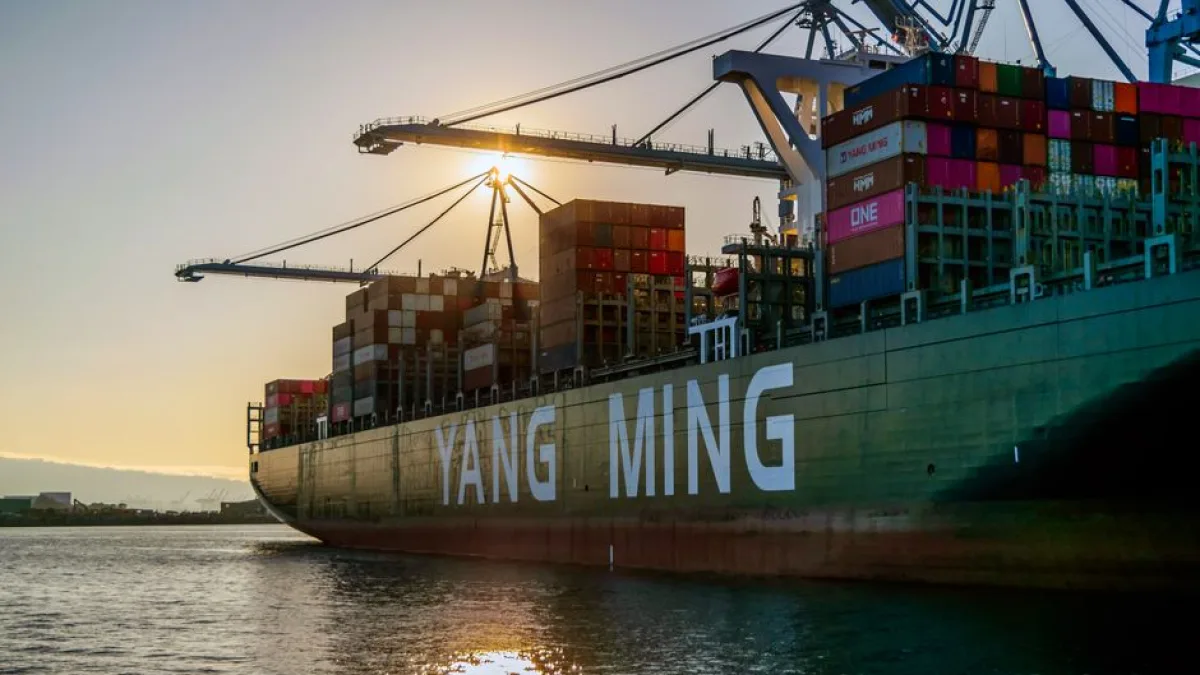
Embracing digital transformation in shipping and tracking is no longer optional for successful freight forwarders. By prioritizing visibility, standardization, resilience, and analytics, you position your firm to lead in an increasingly competitive environment. Consistent refinement of these core workflows will ultimately lead to higher client satisfaction and operational sustainability. The future of logistics belongs to those who successfully harness modern cloud technology to simplify complex trade.