Optimizing Freight Shipping and Tracking in the Digital Age
Sunday, October 18 2026
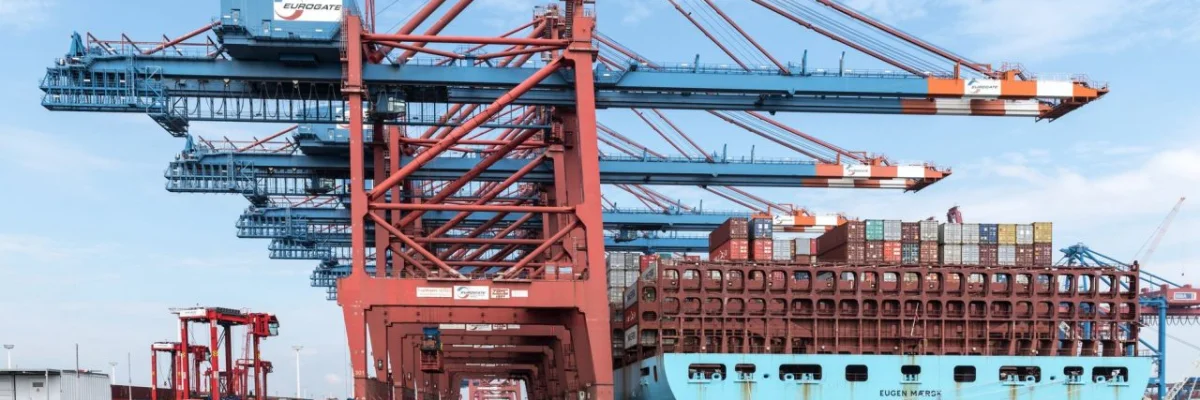
Modern freight forwarding requires a delicate balance between speed, accuracy, and transparent communication. As global supply chains grow increasingly complex, professionals must leverage advanced technology to stay ahead of disruptions and manage client expectations effectively. Transitioning from legacy manual tracking systems to integrated cloud platforms like MakeCargo allows teams to provide real time updates, reduce operational bottlenecks, and enhance overall service quality. By mastering digital visibility tools, forwarders can transform their logistics operations from reactive workflows into proactive strategies that drive sustained growth, improve customer retention, and ensure cargo reaches its destination safely within the projected timeframe.
The Evolution of Real Time Tracking

Digital visibility has revolutionized how logistics providers monitor the movement of goods across borders. Moving beyond simple status updates, real time tracking now provides granular data points that help teams anticipate delays and pivot their operational strategies before problems escalate.
- Automated status updates: Cloud based systems automatically refresh shipment statuses to ensure that freight forwarders always possess the most accurate information available throughout the entire transportation lifecycle for their clients.
- Geospatial data integration: Modern platforms utilize satellite technology to pinpoint exact cargo locations globally, providing users with live visual maps that clarify vessel or truck proximity to ports.
- Predictive delay analytics: Machine learning algorithms analyze historical weather patterns and port congestion data to forecast potential transit disruptions before they actually impact your specific active shipments currently.
- Proactive client notifications: Setting up automated alerts ensures your customers remain informed about milestones, reducing the need for manual check ins and freeing your staff to focus.
Adopting these advanced monitoring technologies allows your team to maintain a competitive advantage by providing unparalleled transparency to stakeholders. When forwarders replace outdated spreadsheets with automated tracking tools, they minimize human error and significantly improve the speed of information flow. This shift creates trust with clients and establishes your brand as a reliable partner capable of handling complex logistics demands in any market.
Integrating Freight Data Platforms

Integrating diverse data sources into a single dashboard is essential for efficient management. By centralizing documentation, customs filings, and carrier performance metrics, your team can avoid the common pitfalls associated with fragmented systems and disconnected communication channels within the firm.
- Unified data streams: Consolidating various shipping modules into one interface reduces the time spent switching between multiple tabs while managing complex multimodal transport projects for global logistics.
- API connectivity benefits: Seamless integration with carrier APIs ensures that vital tracking information flows directly into your software platform without requiring manual data entry by staff.
- Enhanced document security: Centralizing sensitive customs paperwork and bills of lading in a cloud based vault minimizes the risk of losing critical files during transport.
- Standardized reporting tools: Generating customized reports becomes faster when all operational metrics originate from a single source of truth, helping management make better long term decisions.
Successful freight forwarders rely on high quality software to keep their operations moving forward smoothly. By investing in a unified platform, you eliminate the confusion caused by siloed data and empower your staff to work more effectively. This holistic approach to information management not only streamlines internal processes but also provides the structured data needed to optimize routes and carrier partnerships.
Mitigating Supply Chain Risks

Effective risk management remains a top priority for forwarders navigating uncertain shipping environments. By leveraging historical tracking data and current market intelligence, professionals can identify vulnerabilities within the supply chain and implement robust contingency plans to protect cargo shipments.
- Weather pattern monitoring: Accessing live meteorological data helps forwarders route shipments away from predicted storms, ensuring that cargo remains safe and arrives on schedule despite severe conditions.
- Port congestion tracking: Monitoring queue times at major terminals allows logistics teams to bypass busy hubs or adjust vessel arrival schedules to minimize waiting time effectively.
- Carrier performance metrics: Reviewing historical data on carrier reliability helps you select the best partners for specific routes while avoiding those with frequent service failures.
- Incident response plans: Digital platforms enable teams to quickly trigger pre defined contingency protocols when unforeseen events threaten to derail the timely delivery of vital goods.
Navigating global supply chain volatility requires a strategy built on data and preparation. By consistently monitoring performance metrics and maintaining active communication with carriers, you create a buffer against unexpected events. This proactive stance protects your reputation as a dependable freight forwarder and ensures that even in the face of widespread disruption, your cargo reaches its destination through careful planning.
Leveraging Analytics for Efficiency

Data analytics transforms raw shipment information into actionable insights that drive business performance. By regularly evaluating tracking metrics, freight forwarders can identify areas where time is lost and implement changes that result in faster transit times and lower costs.
- Transit time analysis: Reviewing the duration of various legs in the shipping process helps identify consistent bottlenecks that require immediate process improvements or new carrier routes.
- Cost optimization strategies: Analyzing spending patterns against service levels allows your team to balance budget requirements with the need for speed and reliability for customers.
- Carrier efficiency tracking: Measuring the average time from pickup to delivery for each provider empowers you to negotiate better service terms based on empirical evidence.
- Customer satisfaction trends: Using feedback data alongside shipment tracking metrics helps forwarders improve their communication styles and overall service quality based on client preferences annually.
Continuous improvement is the hallmark of a successful logistics company. When you utilize analytical tools to assess your performance, you move from guesswork to precision. These insights foster a culture of efficiency where every team member understands their impact on the bottom line. By prioritizing data driven decisions, you ensure your company remains agile and profitable in a fast paced global environment.
Conclusion

Freight forwarding success relies on the effective use of modern technology to track, manage, and optimize every shipment. By integrating digital platforms and focusing on proactive data management, forwarders can overcome industry challenges with confidence. Explore how MakeCargo can streamline your operations and elevate your logistics services. Take the next step toward a more efficient future for your freight forwarding business today.