Optimizing Freight Shipping and Tracking in the Digital Age
Tuesday, October 27 2026
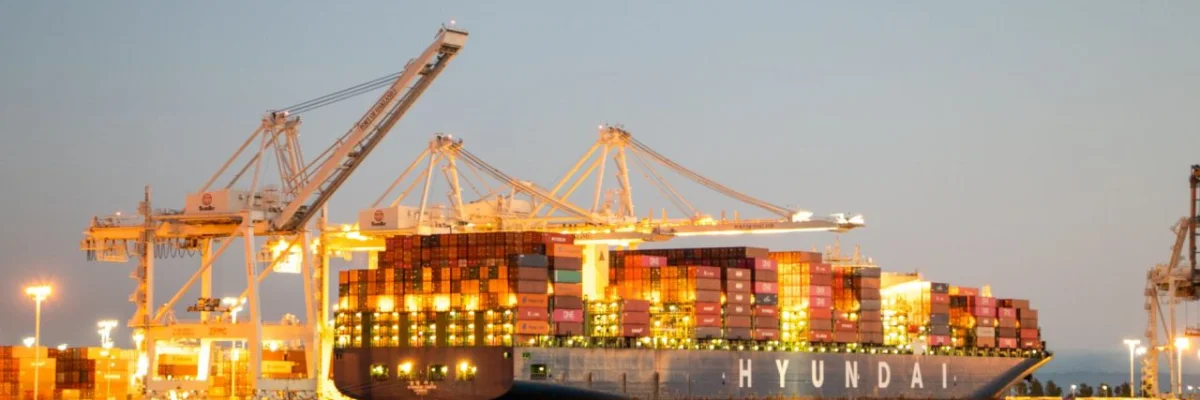
Modern freight forwarding requires precision and speed to remain competitive in a complex global market. As logistics chains become more fragmented, the ability to monitor cargo in real time has transformed from a luxury into a fundamental operational necessity. Digital platforms now allow professionals to bridge the gap between initial booking and final delivery with unparalleled accuracy. By adopting advanced tracking technologies, firms can proactively manage exceptions, reduce dwell times, and provide superior client service. This article explores how integrated digital solutions empower forwarders to master complex shipping workflows and achieve total visibility across their entire supply chain ecosystem today.
Enhancing Real Time Visibility

Real time monitoring serves as the backbone of efficient logistics management by providing instant updates on container status and vessel movement. This transparency allows professionals to anticipate delays and make informed decisions that keep global trade moving toward its destination.
- Automated status updates: Automated systems push instant notifications about vessel departures and arrivals, ensuring your team stays ahead of potential disruptions without needing manual checks across multiple carrier portal websites.
- GPS tracking integration: Advanced integration with satellite and cellular networks provides precise location data for your cargo, allowing you to identify exact transit coordinates and route deviations quickly.
- Carrier portal sync: Consolidating data from various shipping lines into one unified dashboard eliminates the need to navigate fragmented systems, saving valuable time and reducing human data entry errors.
- Exception management tools: Intelligent software flags abnormal events such as extended port dwell times, enabling you to take corrective action before a minor delay becomes a massive client complaint.
By leveraging comprehensive data streams, forwarders can transition from reactive problem solving to a proactive management style. This shift not only improves internal productivity but also significantly increases client trust. When stakeholders have access to accurate, up to date shipment information, communication becomes streamlined and friction is minimized throughout the entire logistical journey, ultimately leading to higher retention rates and better overall business outcomes.
Leveraging Automated Documentation Workflows

Document management is often the most time consuming aspect of global shipping due to the high volume of paperwork involved. Automating these workflows ensures that customs clearance and delivery processes proceed without unnecessary delays or critical compliance mistakes.
- Cloud based storage: Storing all shipping manifests and invoices in a secure cloud environment allows for instant retrieval, ensuring your team has access to vital documentation anytime or anywhere.
- OCR data extraction: Modern optical character recognition technology automatically pulls relevant details from scanned documents, drastically reducing the time spent manually typing shipment information into your logistics platform.
- Automated compliance checks: Digital tools verify paperwork against international trade regulations automatically, helping your firm avoid costly penalties and shipments being held at customs borders for simple errors.
- Digital signature integration: Incorporating electronic signatures accelerates the approval process for bills of lading and other essential documents, removing the need for physical courier services and postal delays.
Efficient documentation is the engine that drives international trade compliance and operational speed. By digitizing these manual tasks, freight forwarders free up their staff to focus on strategic client growth rather than repetitive administrative chores. This optimization not only lowers overhead costs but also ensures that every shipment adheres to the latest global standards, securing the reliability of your supply chain services.
Optimizing Port and Terminal Operations
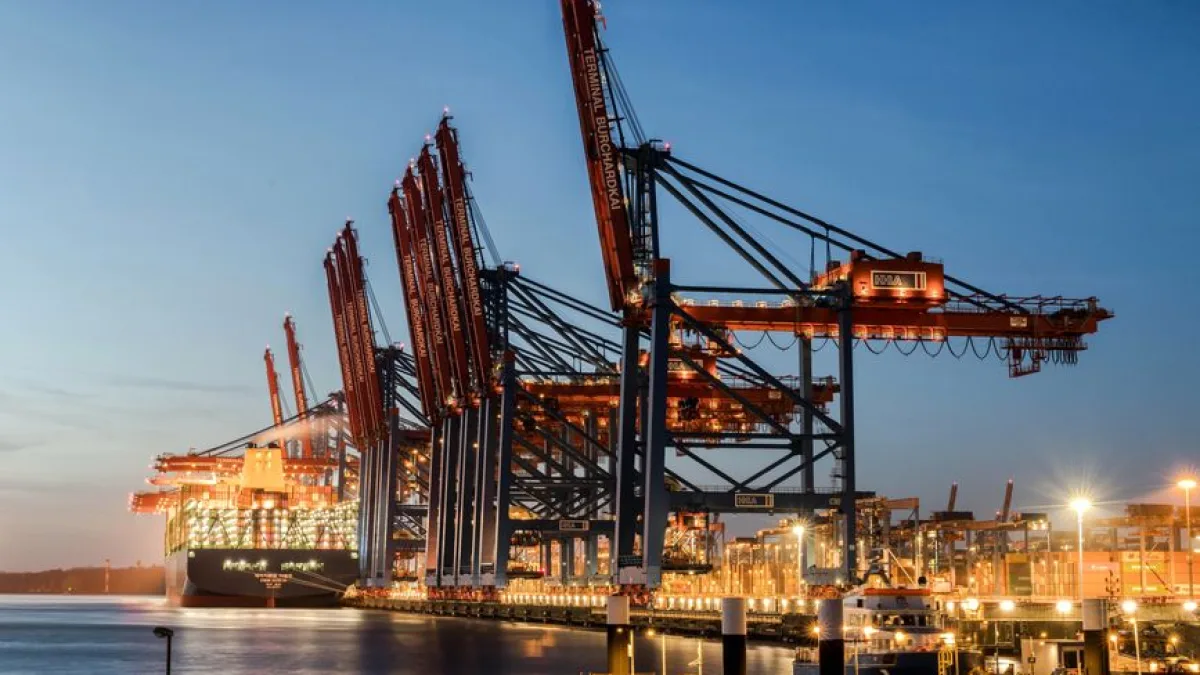
Port operations represent the most critical checkpoints within any international shipping route. Navigating these hubs efficiently requires deep coordination and effective tools that can manage complex terminal schedules and labor availability to ensure cargo flows seamlessly.
- Predictive delay analytics: Machine learning algorithms analyze historical port congestion data to forecast potential bottlenecks, allowing forwarders to select more efficient routes or terminals for their clients.
- Terminal gate integration: Direct connections to port gate systems provide visibility into container pickup and drop off activities, giving you a clear view of landside logistical execution.
- Storage cost reduction: Monitoring terminal dwell times in real time helps you avoid expensive demurrage and detention fees by alerting you to move cargo before penalties accrue.
- Resource scheduling tools: Effective software manages trucking and drayage assignments by aligning them with terminal availability, ensuring that drivers arrive exactly when the cargo is ready.
Mastering port operations is essential for reducing total landed costs and improving the speed of goods delivery. By integrating port specific data into your tracking strategy, you gain a distinct advantage over competitors who lack such granular visibility. This level of control allows for more precise scheduling and cost management, which are critical components for maintaining healthy margins in the competitive freight sector.
Strengthening Client Communication Strategies

Strong communication defines the quality of service provided to clients throughout their shipping experience. By providing clear and regular updates, freight forwarders solidify their reputation as reliable partners capable of handling even the most complex global transport challenges.
- Branded tracking portals: Custom portals provide your customers with a professional interface to track their shipments independently, reducing the need for constant phone inquiries and manual emails.
- Automated email alerts: Customizable notification triggers ensure that clients receive timely updates on key milestones, keeping them informed without the manual effort required by your customer service team.
- Centralized communication logs: Keeping all client messages and shipment notes in one shared platform prevents information silos and ensures that everyone has access to historical context.
- Instant inquiry response: By providing clients with real time access to documentation and location data, you empower them to answer their own questions, improving overall service satisfaction.
Effective communication strategies act as a bridge between technical logistics operations and the client experience. When clients feel informed and supported, they are more likely to return for future business. Using a centralized software platform to manage these interactions ensures that no information is lost, fostering long term partnerships built on transparency and efficiency in a rapidly changing global market landscape.
Conclusion

Mastering the complexities of freight shipping and tracking is no longer optional for firms aiming to succeed in a digital world. By prioritizing real time visibility, automated documentation, efficient port operations, and clear communication, freight forwarders can transform their workflows into scalable assets. Adopting robust software solutions allows you to remain competitive while providing the high quality service that your global clients demand every day.