Optimizing Freight Tracking for Modern Forwarders
Tuesday, October 20 2026

In the fast-paced world of global logistics, freight forwarders face constant pressure to provide accurate, real-time visibility to their clients. As supply chain complexities grow, the demand for transparency has shifted from a competitive advantage to a baseline expectation. Manually tracking shipments via fragmented spreadsheets and scattered email threads is no longer sustainable for scaling operations. By leveraging advanced cloud-based platforms, forwarders can integrate live carrier data and automate status updates. This evolution in digital logistics management ensures that your team remains proactive, enabling you to address potential disruptions before they impact the bottom line of your valued customers.
Leveraging Real-Time Data

Digital dashboards act as the nerve center for your freight operations by aggregating carrier data into a single interface. This immediate access to shipment statuses allows your team to respond to inquiries instantly while reducing the administrative burden on your staff members.
- Centralized shipment monitoring: Consolidate tracking data from multiple ocean and air carriers into one intuitive platform to eliminate the need for manual lookups across dozens of different carrier websites.
- Automated status updates: Configure your system to push automatic email notifications to clients whenever a container reaches a specific milestone or experiences a delay during its journey.
- Customized alert triggers: Define unique threshold settings that notify your operations team immediately if a shipment deviates from its planned route or misses a vital port connection.
- Enhanced client portals: Provide your customers with a secure, branded portal where they can view their active shipments and download documents without needing to contact your staff.
- Data accuracy improvements: Minimize human errors associated with manual data entry by syncing tracking milestones directly from carrier EDI feeds into your primary shipping management software platform.
Modern forwarders must prioritize seamless data integration to maintain operational efficiency. When information flows automatically from carriers to your dashboard, the risk of miscommunication drops significantly. This technological shift empowers your team to spend less time on repetitive manual data entry tasks and more time on high-level customer service strategies that drive long-term business growth and enhance your reputation in the industry.
Mitigating Supply Chain Delays
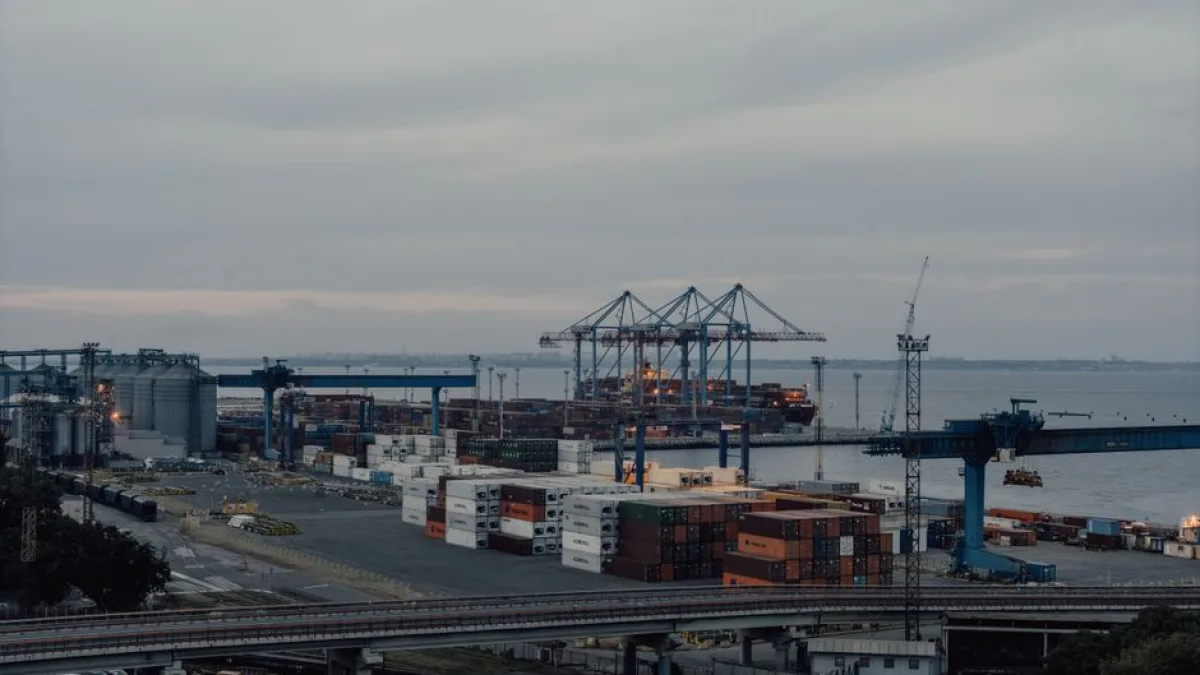
Identifying bottlenecks early is critical to maintaining smooth cargo flow. When you gain visibility into transit delays before they escalate, you can offer alternative routing options to clients, ensuring their goods remain on schedule despite unforeseen challenges occurring at major terminals.
- Proactive disruption management: Identify potential port congestion or carrier schedule shifts early, allowing your team to communicate transparently with affected shippers before the situation becomes a crisis.
- Alternative routing solutions: Access historical performance data to determine which carrier routes offer the most reliability, helping you plan contingency strategies for time-sensitive or high-value shipments.
- Exception reporting tools: Utilize automated systems that highlight shipments stuck in transit for longer than expected, ensuring that no cargo remains unattended within your global logistics network.
- Carrier performance metrics: Track the reliability of your service partners over time to ensure that you are consistently working with carriers that meet your high standards.
- Client expectation management: Share real-time delay updates with your customers to build trust and show that you are in control even when external factors create obstacles.
Strategic delay management turns potential logistics failures into opportunities to demonstrate professional expertise. By using digital tools to track every milestone, you shift from a reactive stance to a proactive partnership model. Clients value forwarders who anticipate problems and offer solutions before they become operational emergencies. This approach solidifies your position as a trusted logistics advisor rather than just a simple service provider.
Enhancing Customer Transparency

Providing clients with clear and consistent visibility transforms the shipping experience from a black box process into a transparent partnership. When customers know exactly where their cargo stands at every phase of the journey, their satisfaction and loyalty increase dramatically.
- Branded tracking reports: Deliver professional-grade tracking reports that carry your company branding, which reinforces your market presence and keeps your brand front of mind for clients.
- Self-service shipping analytics: Empower your high-volume clients to run their own reports on shipment history and transit times using integrated tools built into your logistics platform.
- Mobile accessible updates: Ensure your clients can check their cargo status while on the move, reflecting the mobile-first expectations of today's modern business environment and shipping industry.
- Improved communication flow: Reduce the volume of status-check phone calls and emails, allowing your customer service team to focus on resolving complex issues instead of answering questions.
- Document visibility features: Allow clients to view and download invoices, bills of lading, and customs documentation directly through the tracking interface for a more efficient business cycle.
Building a transparent relationship is the most effective way to retain clients in a crowded freight forwarding market. By offering self-service tools and regular automated updates, you give them peace of mind that their shipments are in capable hands. This focus on communication fosters a deeper sense of reliability, which ultimately leads to higher client retention rates and sustainable business growth.
Future-Proofing Your Freight Operations

Adapting to the future of logistics requires continuous investment in scalable software solutions. As industry standards evolve, your ability to integrate new technologies will define your firm's success, ensuring you stay ahead of competitors who rely on outdated, manual processes.
- Scalable software infrastructure: Choose platforms that can grow alongside your business, allowing you to add new users, branches, or service types as your shipping volumes increase steadily.
- API integration capabilities: Utilize modern software that offers robust API connections to your accounting, CRM, and warehouse management tools for a unified and efficient workflow environment.
- Continuous feature updates: Partner with software providers who frequently release updates and new features, ensuring that your tools remain compliant with the latest global freight regulations.
- Predictive analytics adoption: Begin using tools that suggest optimal booking times or carrier choices based on long-term data trends to provide better value to your customers.
- Team training initiatives: Prioritize regular training on new software capabilities to ensure your entire team can fully leverage the tools available to maximize their daily productivity.
Investing in advanced freight software is a strategic necessity for forwarders looking to remain relevant. By focusing on scalability and integration, you create a robust foundation that supports innovation and consistent service delivery. As the industry becomes increasingly digitized, those who embrace these modern tools will find themselves better positioned to capture market share and lead the way toward a more efficient future.
Conclusion
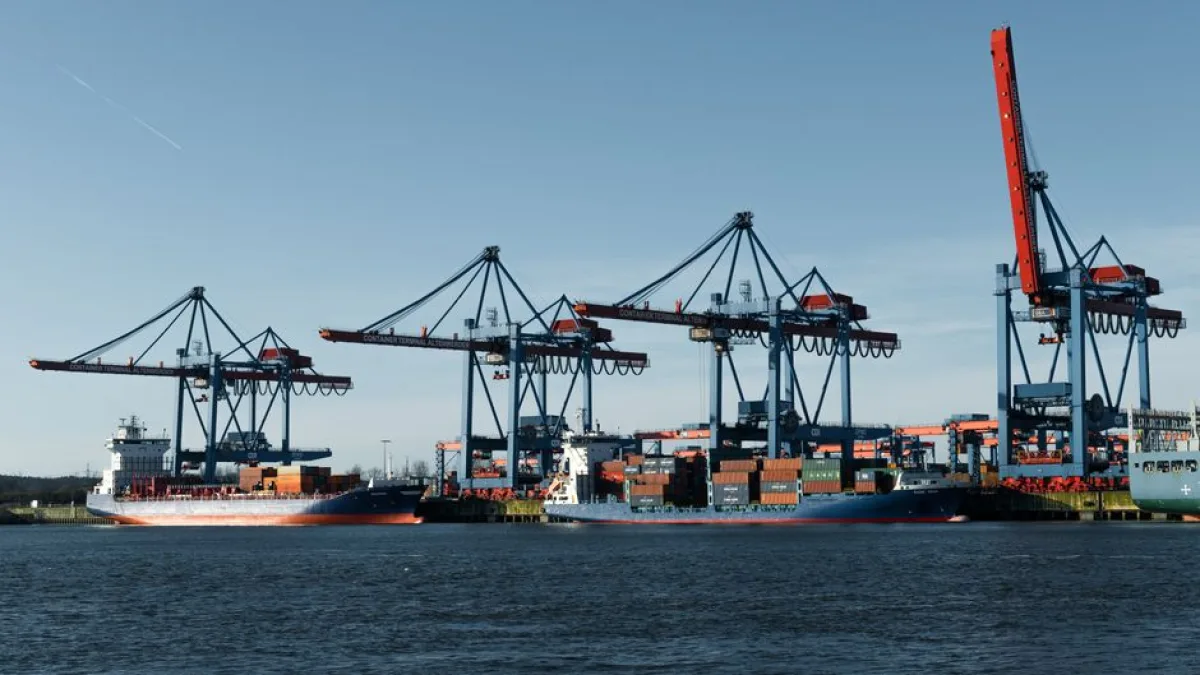
Tracking freight effectively is the cornerstone of modern logistics success. By moving away from manual methods and adopting integrated cloud solutions, freight forwarders can provide superior visibility and proactive service to their clients. Embracing this digital transformation ensures your business remains competitive, efficient, and ready to meet the challenges of the global market. Start optimizing your tracking processes with MakeCargo to see the difference today.