Optimizing Freight Tracking for Modern Forwarders
Friday, October 23 2026
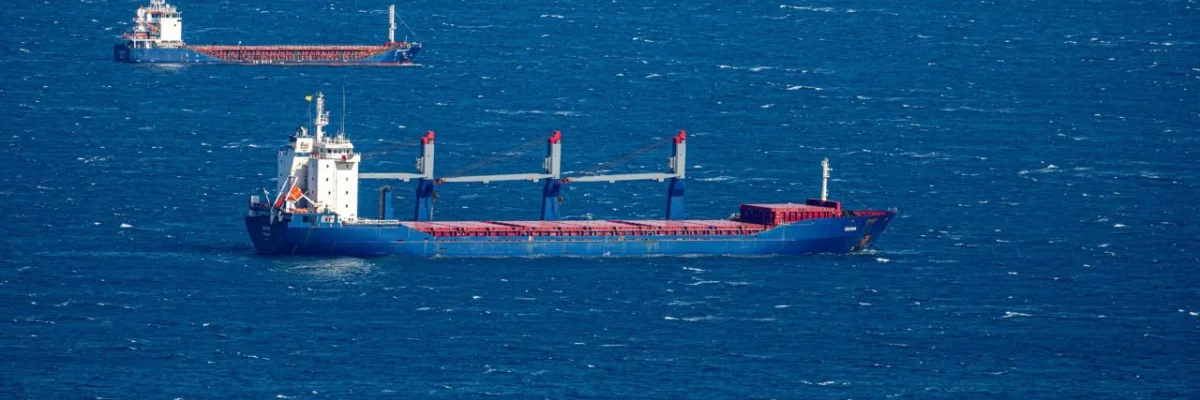
In the fast-paced world of logistics, freight forwarders are constantly seeking ways to improve visibility and reliability for their global clients. As supply chains grow increasingly complex, the demand for real-time tracking accuracy becomes the cornerstone of successful cargo management. Professionals who leverage cloud-based platforms gain a significant competitive edge by automating status updates and reducing manual data entry errors. Embracing digital transparency not only satisfies customer expectations for constant updates but also allows your team to focus on resolving exceptions rather than chasing information across multiple disparate carrier websites or manual spreadsheets.
The Evolution of Visibility

Modern visibility tools have transformed how logistics companies monitor goods as they traverse the globe. By integrating live data feeds directly into your software, your operations team can monitor shipment milestones with unprecedented speed, accuracy, and efficiency across every transport mode.
- Automated status updates: Real-time integration with carrier APIs ensures that every milestone is recorded instantly, removing the burden of manual status checks and reducing potential for human data entry errors.
- Centralized data dashboards: Consolidating shipment information into one intuitive interface allows your team to gain a bird-eye view of all ongoing movements without navigating through various separate external systems.
- Proactive exception management: Advanced tracking algorithms detect potential delays early, giving your staff sufficient time to notify clients and implement contingency plans before the shipment is impacted significantly.
- Enhanced client communication: Providing your customers with a secure, branded portal for their tracking needs improves your professional image and reduces the volume of incoming status inquiry emails.
Adopting sophisticated visibility technology represents a major shift in how forwarders deliver value to their partners. By automating routine status reports, you allow your logistics experts to dedicate their valuable time to complex problem solving rather than repetitive administrative tasks. This digital maturity improves your operational reliability, ensuring your business remains competitive while meeting the high expectations of modern shippers in a global market.
Leveraging Real-time Data Accuracy
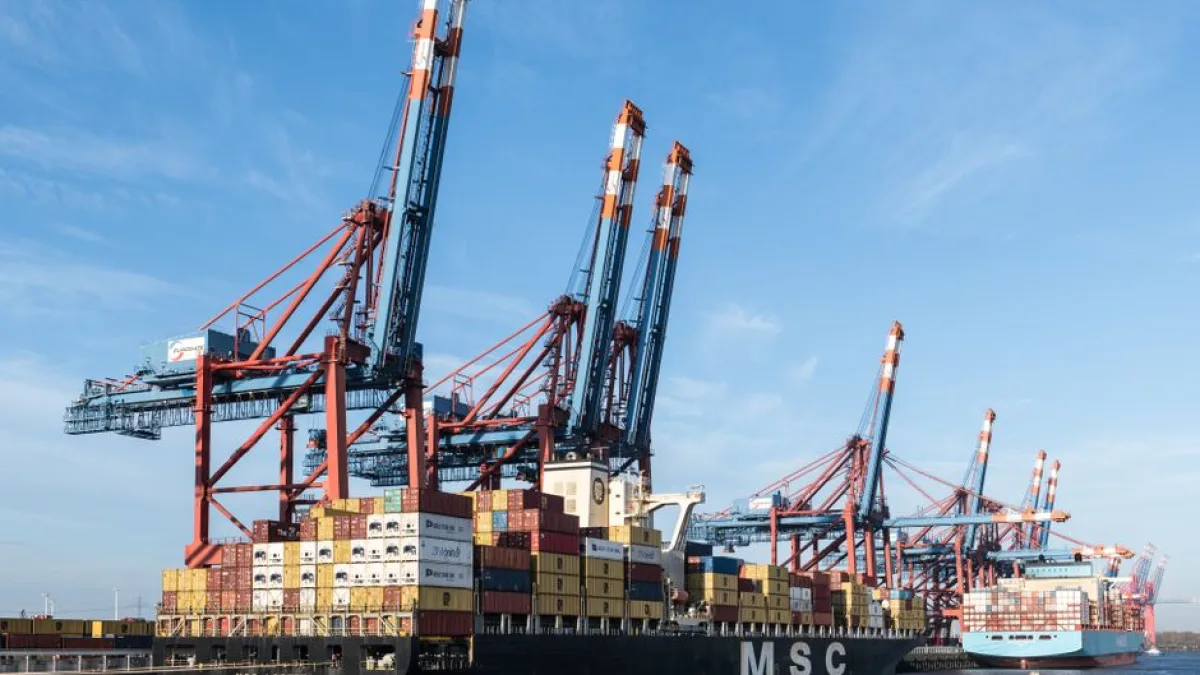
Accuracy in tracking data is essential for maintaining trust with your supply chain partners. Reliable information ensures that arrival predictions remain precise, allowing warehouses and retailers to schedule their labor and transport resources for seamless cargo reception and distribution.
- Synchronized carrier feeds: Establishing direct connections with ocean and air carriers prevents data discrepancies that occur when agents manually relay status updates through disjointed communication channels like email.
- Historical data analysis: Tracking performance trends over time helps you identify carrier reliability issues, allowing for more informed decisions when choosing partners for future critical freight movements.
- Instant bottleneck identification: Recognizing congestion at key ports or terminals quickly empowers your team to reroute cargo and minimize the impact on your client delivery timelines and costs.
- Unified tracking standards: Implementing consistent internal tracking protocols ensures that every department speaks the same language, facilitating smoother collaboration between your operations, accounting, and sales support teams.
Maintaining high levels of data accuracy directly impacts your bottom line by reducing penalty fees and customer disputes. When your tracking information is precise, stakeholders feel confident in your operational oversight, which fosters long-term loyalty and repeat business. Investing in reliable data pipelines is not just a technical upgrade but a strategic move toward operational excellence in a competitive logistics industry.
Integrating Automated Reporting Tools
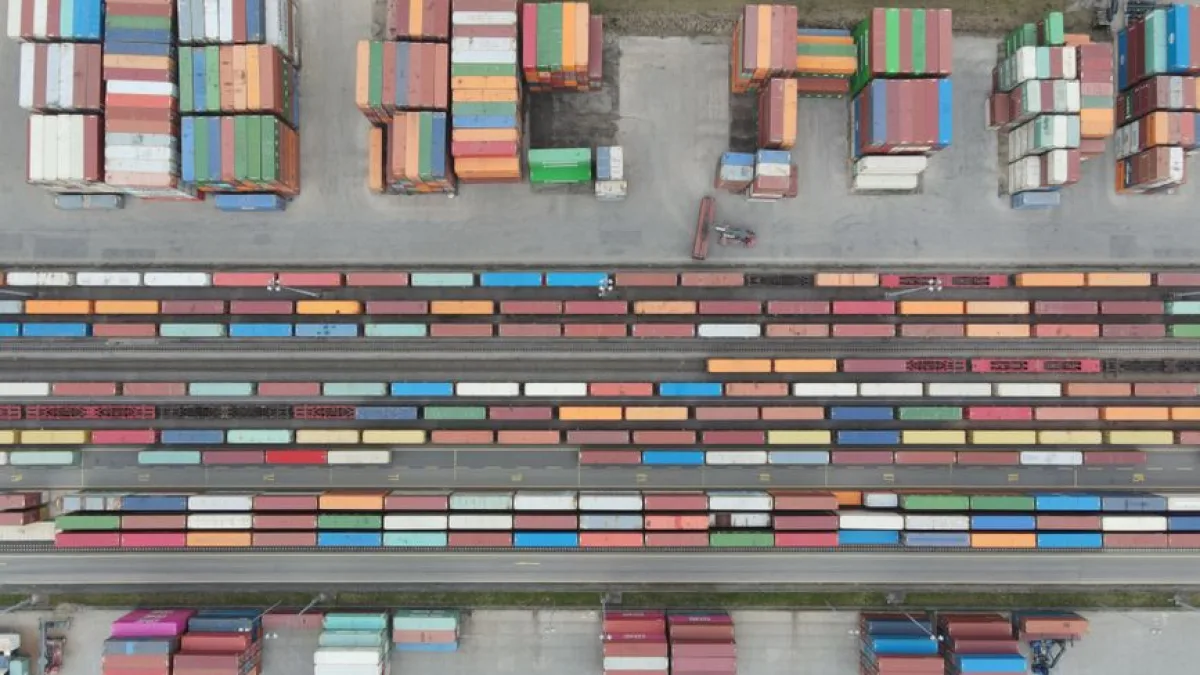
Automated reporting tools provide the insight required to manage complex logistics networks effectively. Instead of manual compilation, cloud platforms now generate detailed performance metrics and delivery status reports, which help forwarders maintain oversight of every shipment under their care.
- Customizable reporting templates: Tailoring your reporting outputs to meet specific client requirements demonstrates a commitment to service flexibility and helps your business stand out from generic competitors.
- Dynamic performance tracking: Monitoring key performance indicators like transit times and on-time arrival percentages allows for constant service refinement based on objective data rather than guesswork.
- Automated client notifications: Setting up trigger-based email alerts keeps your customers informed about specific milestones, which builds trust and improves the overall quality of your communication flow.
- Seamless software integration: Connecting your tracking tools with accounting or CRM systems ensures that information flows correctly throughout your entire organization without the need for manual duplication.
Streamlined reporting processes minimize administrative downtime and allow your team to provide value-added services that traditional forwarders often overlook. By delivering consistent, high-quality data insights, you position your logistics company as a strategic partner in your clients supply chain. This proactive approach to reporting transforms how your business engages with clients, shifting the relationship from a vendor to an essential collaborator.
Improving Global Operations Scalability

Scalability becomes possible when you leverage cloud-based platforms to manage increasing shipment volumes without proportional increases in manual labor. These systems empower forwarders to handle growth while maintaining the high-quality tracking standards that their global clients demand.
- Scalable cloud architecture: Moving your operations to a cloud-native platform allows you to handle thousands of concurrent shipments effortlessly while maintaining system stability and data integrity standards.
- Resource optimization strategies: Intelligent software features suggest the most efficient routes and carriers for specific cargo types, helping you optimize resource usage across your entire shipping network.
- Collaborative cloud workspaces: Enabling multiple team members to access the same real-time tracking data allows for seamless handovers between departments and offices across different global time zones.
- Flexible system permissions: Managing user access levels ensures that data remains secure while allowing partners or sub-contractors to view only the specific shipment information they need for operations.
Scaling your freight forwarding business requires a solid digital foundation that adapts to changing market demands. By automating the tracking cycle, you build the capacity to grow your client base without sacrificing the quality of your personalized service. This strategic investment in technology allows your team to handle complexity with confidence, ensuring that your operations remain efficient and profitable even during peak shipping seasons.
Conclusion

Optimizing your freight tracking strategy is essential for forwarders who want to excel in the current global market. By embracing automation, data accuracy, and scalable cloud technology, you significantly improve your operational efficiency and client satisfaction levels. Start evaluating your internal processes today and see how digital transformation can redefine your workflow, ensuring your business stays ahead of the competition and prepared for future logistics challenges.