Optimizing Freight Tracking for Modern Forwarders
Saturday, October 24 2026

In the fast-paced world of logistics, visibility has become the most valuable currency for freight forwarders. Clients no longer accept vague estimates or delayed updates regarding their high-value shipments across international waters. As a forwarder, providing real-time tracking is not just a competitive advantage, it is a basic requirement for maintaining trust and operational efficiency in a cloud-based environment. By leveraging advanced software solutions, you can transform your tracking process from a reactive chore into a proactive service that keeps your clients satisfied while significantly reducing the administrative burden on your professional logistics team daily.
The Evolution of Visibility
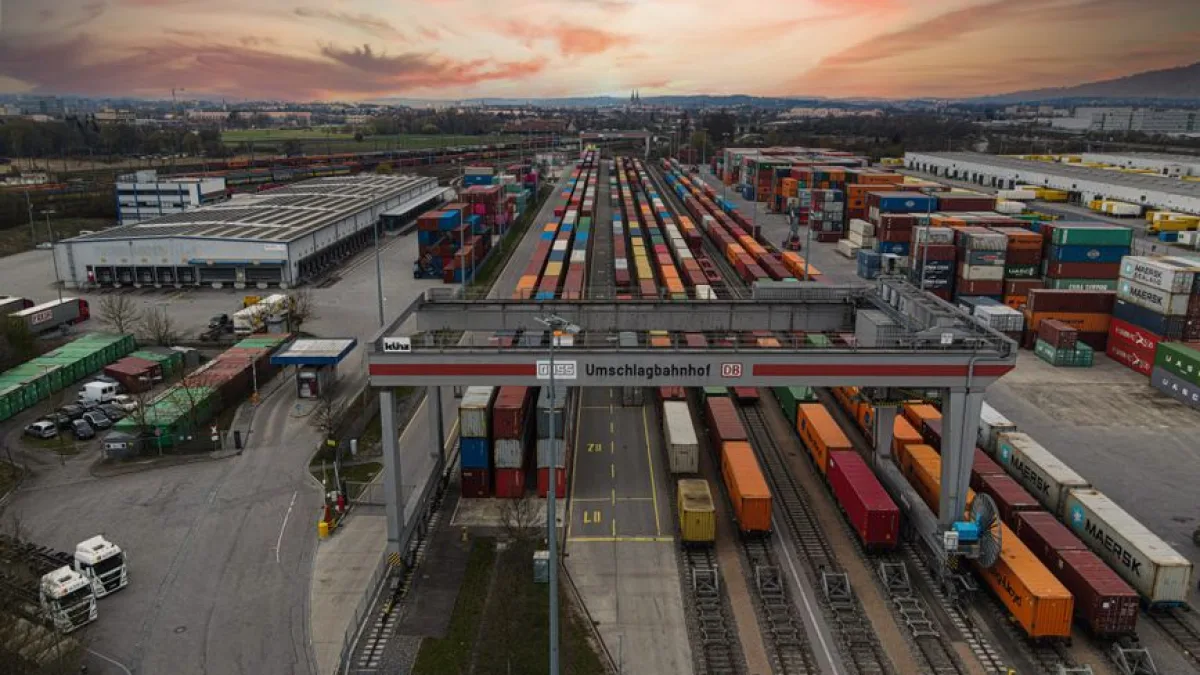
Digital dashboards represent a massive shift in how freight professionals monitor shipments. By consolidating data from multiple carriers, these platforms offer a single source of truth, removing the need to manually check different websites to locate your containers in transit.
- Real-time data synchronization: Modern platforms integrate directly with carrier APIs to provide live location updates, ensuring that your tracking information remains accurate without needing constant manual data entry from staff.
- Centralized shipment hubs: Consolidating all documentation and status updates in one cloud location allows your team to access critical information quickly, reducing communication errors between agents and shippers.
- Automated status notifications: Setting up triggered alerts for specific milestones keeps your stakeholders informed automatically, which significantly reduces the volume of repetitive status inquiry emails and phone calls.
- Enhanced operational transparency: Providing clients with a branded portal for self-service tracking builds significant confidence in your services, as they gain immediate access to their cargo journey details.
Adopting a centralized tracking system allows your forwarding business to handle larger volumes without expanding your workforce. When your team spends less time hunting for information, they can focus on high-value tasks like rate negotiations and client relationship management. This shift toward digital transparency not only improves your operational speed but also positions your company as a reliable leader in a complex global market.
Managing Exception Handling
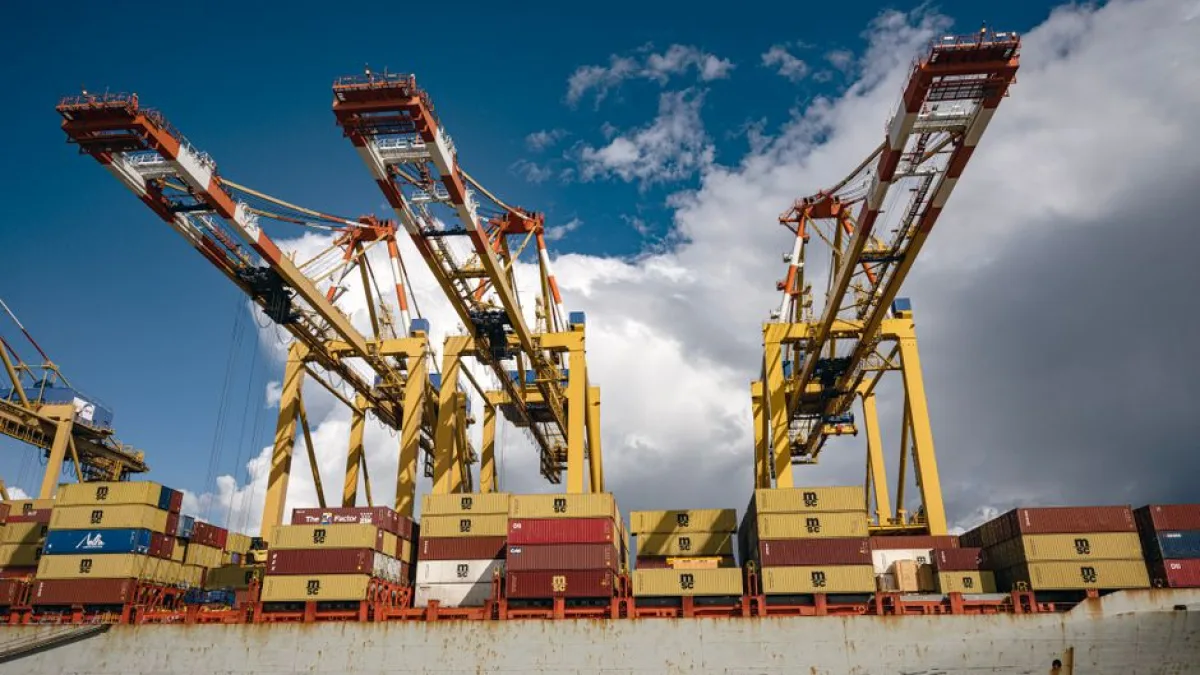
Disruptions are inevitable in global supply chains, making proactive exception management a critical pillar of your tracking strategy. Being alerted to delays before they impact the final delivery allows you to offer solutions instead of just bad news to clients.
- Proactive delay alerts: Automated systems notify you of port congestion or vessel delays immediately, providing the critical time needed to reroute shipments or adjust client expectations before problems escalate.
- Mitigating supply disruptions: Early warnings empower your team to coordinate with ground transportation partners quickly, ensuring that alternative capacity is secured before the rest of the market reacts accordingly.
- Transparent client communication: Sharing verified delay information via a professional portal maintains your reputation as an honest partner, even when external factors beyond your control cause unforeseen logistical hurdles.
- Data-driven root causes: Analyzing recurring delay patterns helps you identify underperforming carriers or routes, allowing you to make smarter procurement decisions for your future shipping projects and schedules.
Developing a robust exception management process transforms how you handle adversity in shipping. Instead of reacting to complaints, you proactively mitigate issues by utilizing the data at your disposal. This professional approach protects your profit margins by avoiding costly demurrage fees and keeps your clients loyal. By mastering the art of handling delays, your firm becomes an essential partner that keeps the supply chain moving.
Integrating Carrier Data Flows
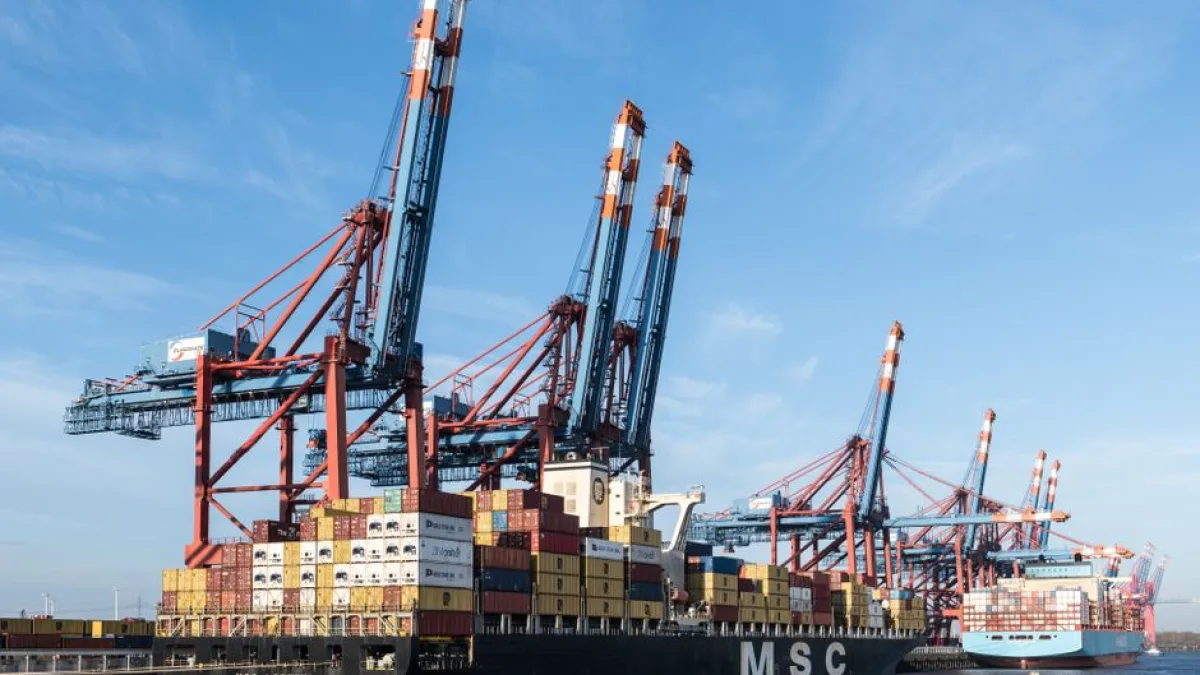
Seamless data integration is the backbone of efficient freight forwarding operations today. By connecting your platform to global carrier networks, you eliminate data silos and ensure that every stakeholder views the exact same information regarding their active shipments.
- Unified data streams: Linking various steamship lines into your software environment simplifies complex workflows, allowing you to manage global imports and exports from one consolidated and easy interface.
- Eliminating manual entry: Automated EDI and API connections remove human error from the tracking process, ensuring that shipment milestones are recorded perfectly every single time they occur.
- Improved partner collaboration: Sharing live tracking data with customs brokers and warehouse staff ensures that every party prepares effectively for cargo arrival, minimizing waiting times at busy ports.
- Scalable technical infrastructure: Cloud-based software grows with your volume, handling thousands of simultaneous tracking requests without slowing down your internal teams or compromising the quality of provided updates.
Integrating your carrier data flows is the most effective way to remove operational friction. When information moves automatically between systems, your staff avoids the pitfalls of manual data entry and focus on complex decision-making. This digital foundation supports your growth, allowing you to scale your forwarding operations globally while maintaining consistent service standards that your clients expect in today's demanding and fast-paced shipping environment.
Enhancing Client Experience

Client experience is the ultimate differentiator in the logistics industry. Providing a modern, branded tracking interface shows that you value your customers' time and are invested in using the best available technology to serve their needs.
- Branded tracking portals: Providing your customers with a custom-branded portal reinforces your professional image, ensuring they associate high-quality tracking experiences directly with your unique freight forwarding business brand.
- Self-service convenience tools: Allowing clients to download their own documents and tracking reports saves time for your team and gives customers the independence they demand for their business.
- Mobile accessible tracking: Modern logistics requires accessibility on the go, ensuring that your clients can check their shipment status from any device, anytime they need critical information updates.
- Personalized notification settings: Giving clients control over their alerts ensures they only receive the information that matters most to their business operations, improving their overall satisfaction with you.
Prioritizing the user experience helps you build long-term relationships that drive revenue growth. When clients feel empowered by the tools you provide, they are far more likely to remain loyal even when shipping rates fluctuate. Investing in a superior tracking platform is a strategic commitment to service excellence that separates your forwarding agency from competitors who still rely on outdated and slow email-based systems.
Conclusion

Mastering freight tracking is essential for success in the modern logistics sector. By implementing cloud-based software, you gain the visibility, efficiency, and client trust required to excel in a competitive market. Start streamlining your tracking processes today to reduce manual tasks, mitigate shipment risks, and provide an unparalleled experience for your clients. MakeCargo provides the tools you need to lead the industry forward.