Optimizing Freight Tracking for Modern Forwarding Success
Sunday, October 18 2026
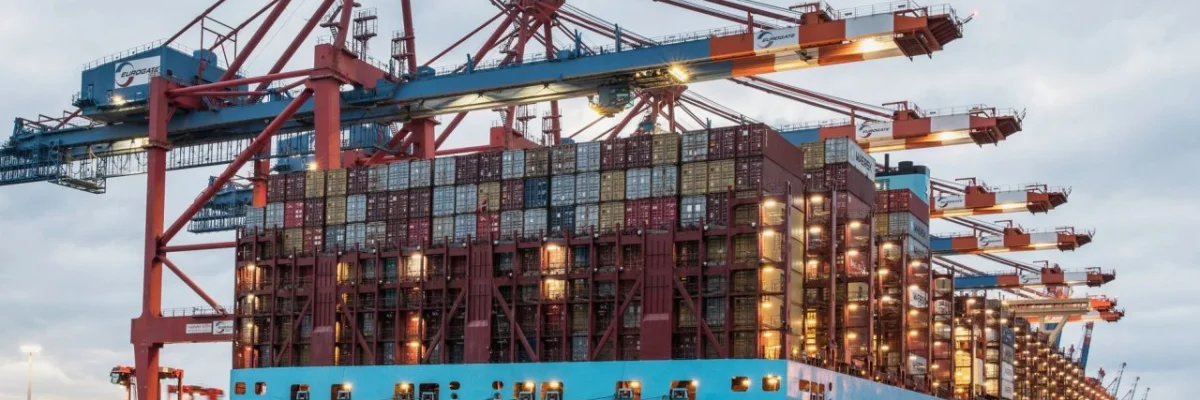
The global logistics landscape is undergoing a massive digital transformation that forces freight forwarders to reevaluate their reliance on outdated tracking processes. As supply chains grow increasingly complex, clients expect real time visibility into their cargo movements from origin to final destination. Manually updating spreadsheets is no longer sufficient to maintain competitive advantage in a high velocity market. Modern freight forwarding platforms like MakeCargo empower professionals to consolidate data and provide actionable insights that reduce overhead. Adopting robust tracking technology is the most effective strategy for ensuring operational transparency and fostering long term trust with your valued international shipping partners.
Leveraging Real Time Data
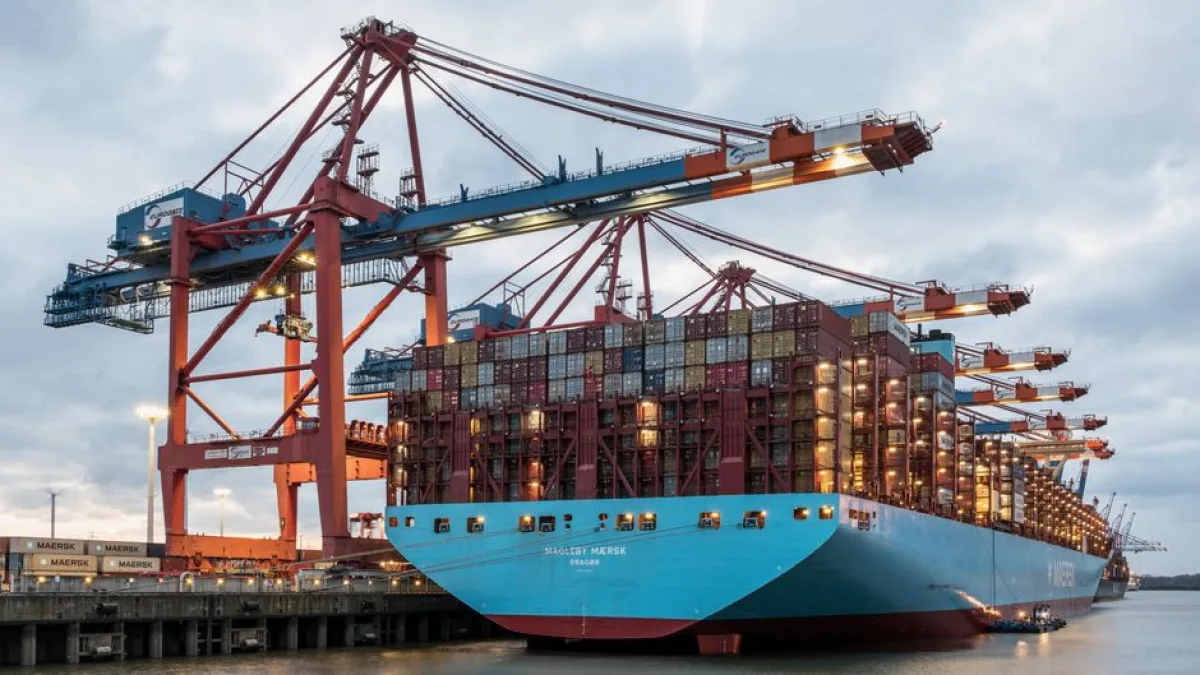
Integrated tracking systems provide a comprehensive view of global trade by connecting disparate data points into a single source of truth. This visibility allows forwarders to act proactively rather than reactively when disruptions occur at major maritime hubs around the world.
- Automated status updates: Automated systems trigger instant notifications for your team and clients whenever cargo status changes occur during transit across land or sea and through various busy custom terminals.
- Centralized data access: Having all relevant documents and tracking numbers in one location saves your staff hours of administrative work while preventing costly errors that lead to significant shipping delays.
- Enhanced client communication: Providing stakeholders with transparent access to their shipment locations increases satisfaction levels and positions your company as a reliable partner in a volatile and fast moving global economy.
- Proactive disruption management: Real time data alerts enable you to identify potential bottlenecks before they impact delivery schedules so you can offer alternative solutions to customers to minimize operational downtime.
Transforming your operational model begins with removing information silos that prevent teams from working efficiently. By centralizing tracking information, your staff gains the ability to focus on high value tasks rather than manual data entry or repetitive status checks. This shift not only improves the overall speed of service but also scales your forwarding business effectively during periods of rapid global trade expansion and volatility.
Predictive Analytics for Logistics

Forwarders utilize predictive analytics to anticipate potential delays by analyzing historical traffic patterns and weather data. This advanced approach turns raw information into a strategic asset that keeps global supply chains moving even when unexpected environmental challenges arise today.
- Weather pattern analysis: Advanced algorithms assess atmospheric conditions to forecast potential port closures or route changes which helps your team reroute shipments effectively to avoid significant cargo damage or arrival delays.
- Historical delay tracking: By reviewing past performance metrics you can identify recurring issues at specific transfer points and make informed decisions about selecting the most reliable carriers for future shipments.
- Capacity planning insights: Analyzing trends in freight movement helps you predict peak season demands and allocate resources effectively to handle increased volumes without compromising your service quality for valued clients.
- Risk mitigation strategies: Machine learning models highlight potential risks in the supply chain allowing you to implement contingency plans that protect your clients assets from unforeseen global trade disruptions.
Data driven decision making is now a fundamental requirement for any serious freight forwarder aiming to stay relevant in a competitive industry. By harnessing the power of predictive tools, you provide your clients with unmatched security and certainty. This proactive methodology transforms the logistics process from a series of manual hurdles into a smooth and predictable journey that keeps your shipping operations running perfectly.
Seamless Carrier Integration

Connecting your platform with multiple carrier APIs creates a unified ecosystem for tracking freight across diverse transport modes. This level of synchronization eliminates the need for checking dozens of individual websites to confirm vessel locations or inland transport status updates.
- API based connectivity: Direct connections to carrier systems ensure that tracking information flows automatically into your software interface providing you with the most current data available from the industry.
- Unified dashboard experience: Manage all your active shipments through a single interface that displays clear milestones for every leg of the journey from the factory floor to final destination.
- Reduced manual labor: Automating the ingestion of carrier data significantly decreases the risk of human error while freeing up your operations team to manage complex logistics issues and exceptions.
- Dynamic route updates: Stay informed about route adjustments in real time so you can communicate changes to your clients immediately and maintain a high standard of professional service excellence.
The ability to integrate with diverse carriers simplifies your internal workflows and enhances the quality of information you share with your partners. As you consolidate these connections within your software, the complexity of managing global shipments decreases significantly. Investing in these technical integrations is a key differentiator that allows you to provide a seamless and high quality shipping experience for your customers today.
Strengthening Client Trust

Transparency acts as the cornerstone of strong customer relationships by proving your commitment to accountability. Giving clients direct access to their tracking details builds confidence and creates a partnership defined by honesty and professional reliability throughout the entire process.
- Client portal access: Offer your customers a dedicated portal where they can monitor their shipments independently to ensure they have 24/7 access to the information they need regarding cargo.
- Automated email notifications: Configure custom alerts that reach your clients directly whenever their goods reach specific transit points keeping them informed without requiring you to write personal emails daily.
- Custom reporting features: Generate detailed performance reports for your clients to demonstrate your value as a logistics provider and support their internal supply chain management efforts with accurate data.
- Professional brand alignment: Use white labeled interfaces that represent your company brand professionally while delivering high quality tracking experiences that reflect the standards your clients expect from you.
Fostering long term loyalty requires consistent communication and a commitment to transparency that builds over time. By providing your clients with the right tools to track their goods, you remove uncertainty and show that you are in control of their cargo. This approach solidifies your position as a trusted advisor, encouraging repeat business and referrals that sustain your company growth for the future.
Conclusion
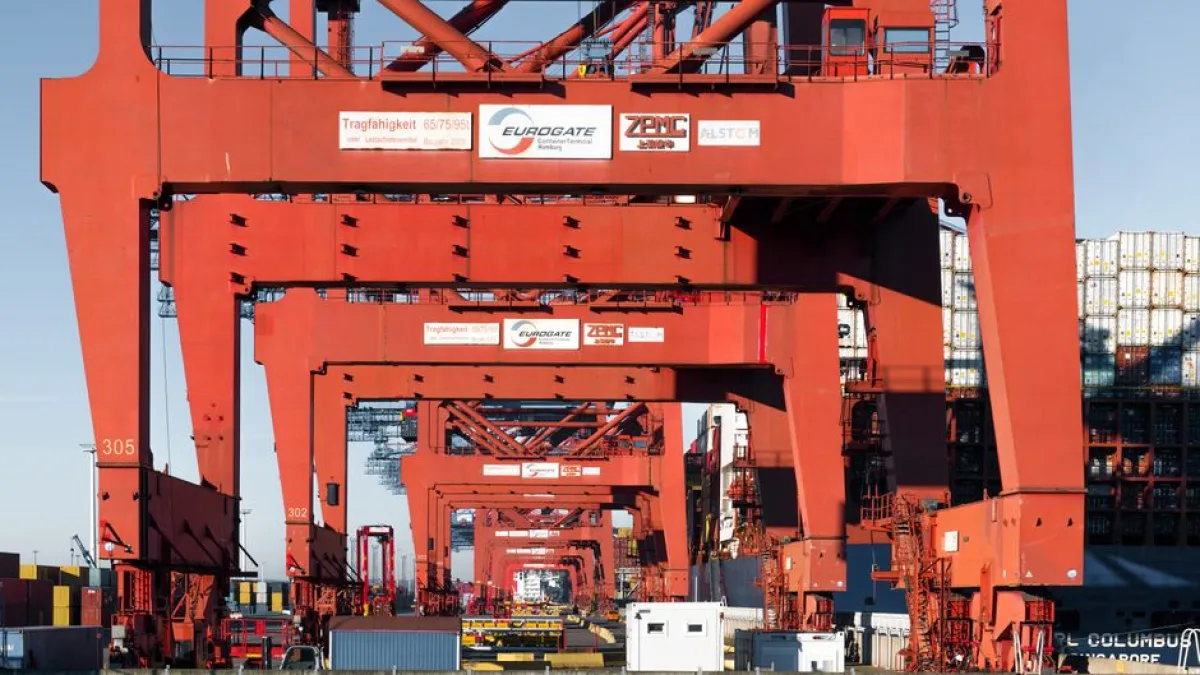
Mastering freight tracking is essential for modern forwarders to scale their operations and meet rising customer demands. By leveraging automated technology and predictive insights, you create a more efficient and reliable logistics workflow. Now is the time to audit your current tracking processes and implement a centralized digital solution. Start your journey toward transparent and data driven operations with MakeCargo for a competitive advantage.