Optimizing Freight Tracking Systems for Modern Logistics
Monday, November 2 2026
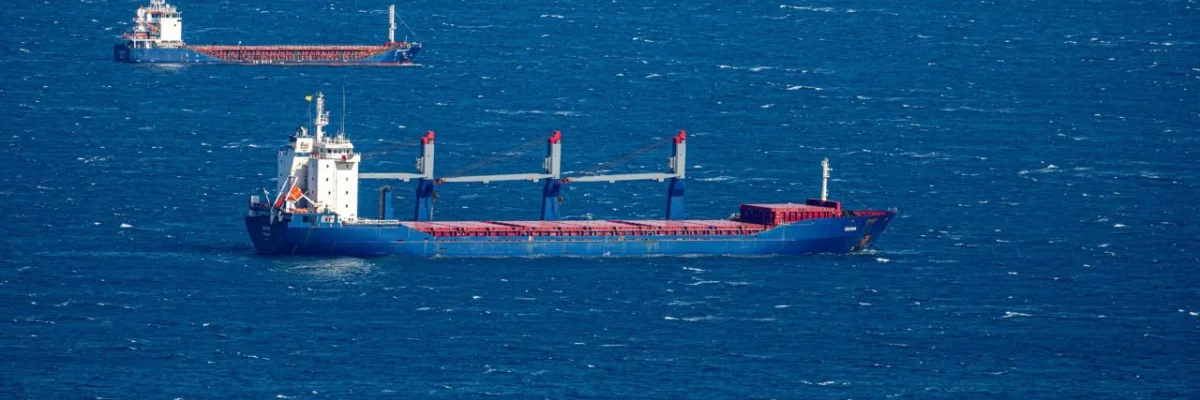
Modern logistics demands unprecedented levels of transparency and speed as global supply chains face increasing complexity. Freight forwarders often struggle with fragmented communication channels and manual data entry that hinder real-time visibility. By leveraging cloud-based platforms like MakeCargo, professionals can centralize their tracking operations and eliminate inefficiencies that plague traditional workflows. This shift toward digital transformation not only improves operational precision but also enhances client trust by providing consistent, accurate updates across the entire transit lifecycle. Achieving seamless tracking is no longer an optional advantage for forwarders, but a fundamental requirement for staying competitive in today's rapid global trade environment.
Advancements in Real-Time Visibility
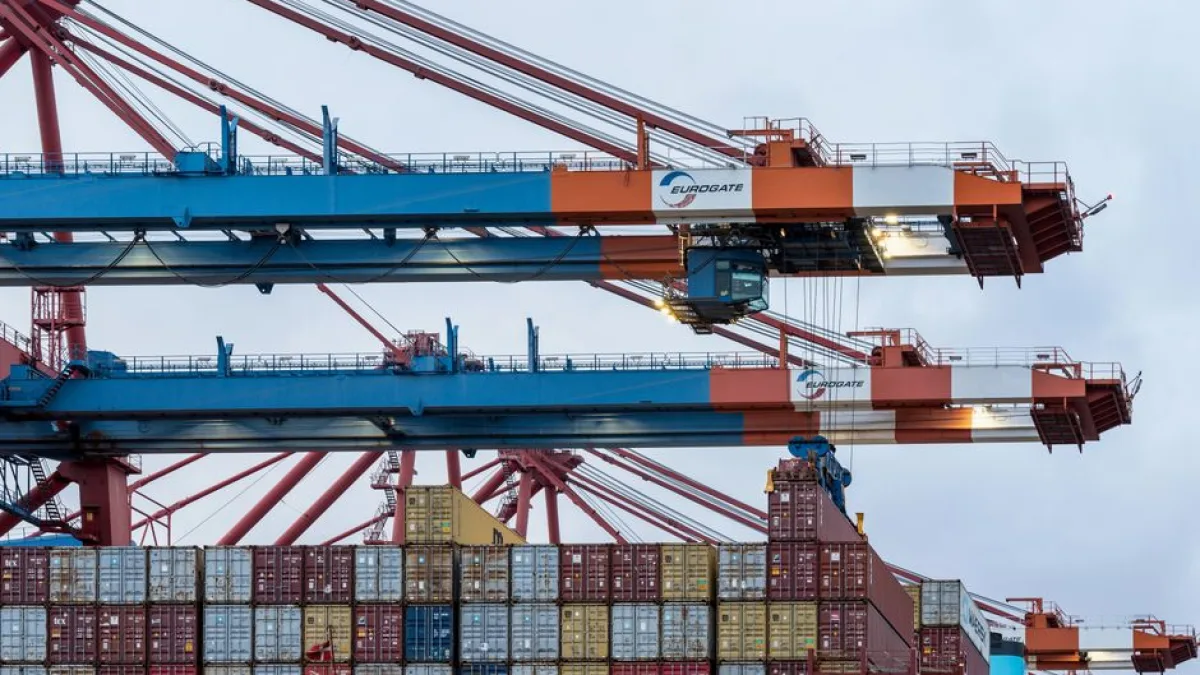
Real-time visibility serves as the backbone of modern freight forwarding operations by providing immediate updates on shipment status. Leveraging advanced tracking technologies allows forwarders to proactively identify potential disruptions and communicate effective solutions to clients before delays impact their overall business bottom line.
- IoT Sensor Integration: Connected sensors provide granular data regarding the precise temperature, humidity, and location of sensitive cargo as it moves through international logistics transit hubs across the globe.
- Satellite Tracking Accuracy: Modern satellite technology ensures that ocean freight remains visible even when traversing deep waters, eliminating the common black holes in traditional maritime shipment status updates.
- API Data Synchronization: Automated connections between carriers and forwarding software ensure that status changes are reflected instantly without the need for manual data re-entry or human intervention.
- Proactive Exception Management: Advanced systems automatically alert teams to potential bottlenecks or unforeseen transit delays, allowing forwarders to reroute shipments and minimize impacts on the end customer.
Adopting these high-tech visibility tools fundamentally changes the dynamic between freight forwarders and their clients. By providing a transparent window into the transit process, companies move from reactive troubleshooting to proactive management. This shift creates a significant competitive edge that justifies higher service premiums. Investing in robust tracking infrastructure ultimately simplifies daily tasks while building a foundation for long-term growth and operational reliability.
Automating Critical Status Updates

Manual updates represent one of the most time-consuming aspects of freight forwarding management. By automating the communication cycle, firms can save countless hours while simultaneously reducing the frequency of errors caused by human fatigue during high volume periods of the year.
- Automated Milestone Alerts: Configurable triggers send instant notifications to customers whenever a shipment reaches a specific transit milestone, such as arrival at customs or final port departure.
- Branded Customer Portals: Dedicated digital spaces allow clients to log in and monitor their cargo progress independently, significantly reducing the volume of inbound status request emails.
- Custom Notification Rules: Forwarders can define specific parameters for alerts to ensure that clients receive relevant information without being overwhelmed by excessive, low-value status notifications during transit.
- Unified Communication Logs: Every interaction and automatic status update is stored in a centralized record, ensuring that any team member can provide an accurate status update immediately.
Automation does more than just save time. It creates a standardized professional experience that keeps clients informed without requiring constant direct outreach from your team members. By letting software handle the repetitive heavy lifting of status reporting, your staff can focus their energy on solving complex logistical problems and nurturing key client relationships that drive sustainable revenue growth for your company.
Integrating Data for Operational Efficiency
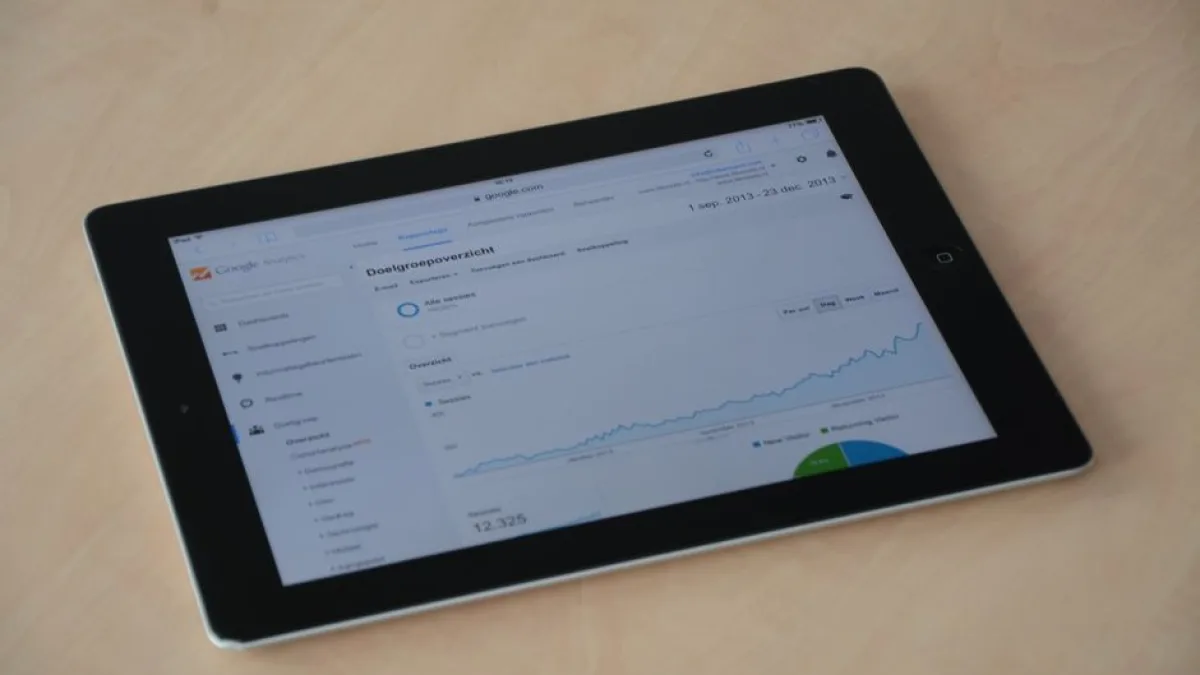
Centralizing data from disparate carriers into a single unified platform is essential for efficient tracking. When systems communicate seamlessly, forwarders gain a bird-eye view of their entire pipeline, enabling better decision-making and more accurate forecasting for their diverse client base.
- Carrier Data Consolidation: Bringing diverse data streams into one dashboard allows for side-by-side performance comparisons of different shipping lines and freight service providers for better vetting.
- Improved Shipment Forecasting: Historical data analysis helps forwarders predict potential transit times more accurately based on current performance patterns and seasonal trends in global shipping lanes.
- Enhanced Financial Accuracy: Automatic tracking updates help link shipment milestones directly to billing events, ensuring that invoices are generated accurately and without unnecessary manual validation processes.
- Cross-Platform Integration: Connecting tracking software with existing ERP or CRM tools ensures that your company maintains a single source of truth across all business departments.
Operational efficiency is the direct result of having clean, accessible data. When your team spends less time hunting for information across spreadsheets and emails, they can execute shipments with much higher reliability. Modern cloud software platforms bridge these information gaps, turning raw tracking numbers into actionable business insights that improve your bottom line and streamline your daily interactions with international trade partners.
Enhancing Client Trust and Satisfaction

Trust is the most valuable currency in the freight forwarding industry, and it is earned through consistent, transparent tracking. Providing clients with accurate, timely data turns them into repeat customers who rely on your expertise to navigate the complexities of global supply chain management.
- Transparent Incident Reporting: Providing honest, detailed explanations when delays occur helps maintain client trust even when shipping schedules do not go exactly according to the initial plan.
- Mobile Access Convenience: Offering clients the ability to track their cargo status via mobile-friendly interfaces ensures they have peace of mind regardless of their physical location.
- Customized Reporting Tools: Allowing clients to generate their own logistics performance reports provides extra value, positioning your company as a strategic partner rather than a vendor.
- Reliable Documentation Sharing: Linking critical shipping documents directly to tracking statuses makes it easier for clients to prepare for cargo arrival and local customs clearance procedures.
Building strong client relationships requires more than just moving goods from point A to point B. It requires a commitment to radical transparency regarding the tracking process. When clients feel empowered by the information you provide, their confidence in your services grows. By prioritizing the client experience through advanced digital tools, you establish your firm as a leader in the global logistics industry.
Conclusion

Modern freight forwarding requires a commitment to digital excellence to remain competitive. By integrating real-time tracking, automating manual communications, centralizing critical logistics data, and prioritizing client experience, forwarders can unlock significant operational efficiencies. Now is the time to audit your current tracking workflows and implement a robust platform like MakeCargo to elevate your service standards and secure long-term success for your logistics business.