Optimizing Freight Transparency Through Modern Tracking Technology
Wednesday, August 26 2026
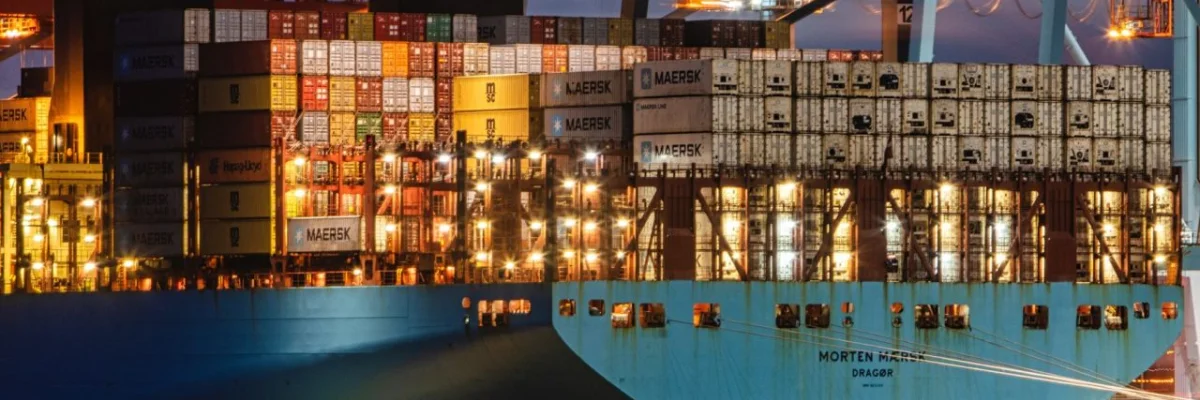
In the fast-paced world of logistics, visibility is the cornerstone of operational excellence. Freight forwarders are increasingly under pressure to provide real-time updates that satisfy client demands for precision and speed. As global supply chains grow more complex, the reliance on manual tracking methods becomes a liability that hampers efficiency and scalability. Adopting cloud-based platforms allows companies to consolidate data streams, automate critical notifications, and provide a seamless experience for stakeholders. By integrating advanced tracking technologies, logistics professionals can move beyond reactive problem solving and transition toward proactive management, ensuring cargo moves smoothly while building long-term trust with their shipping partners.
The Evolution of Visibility
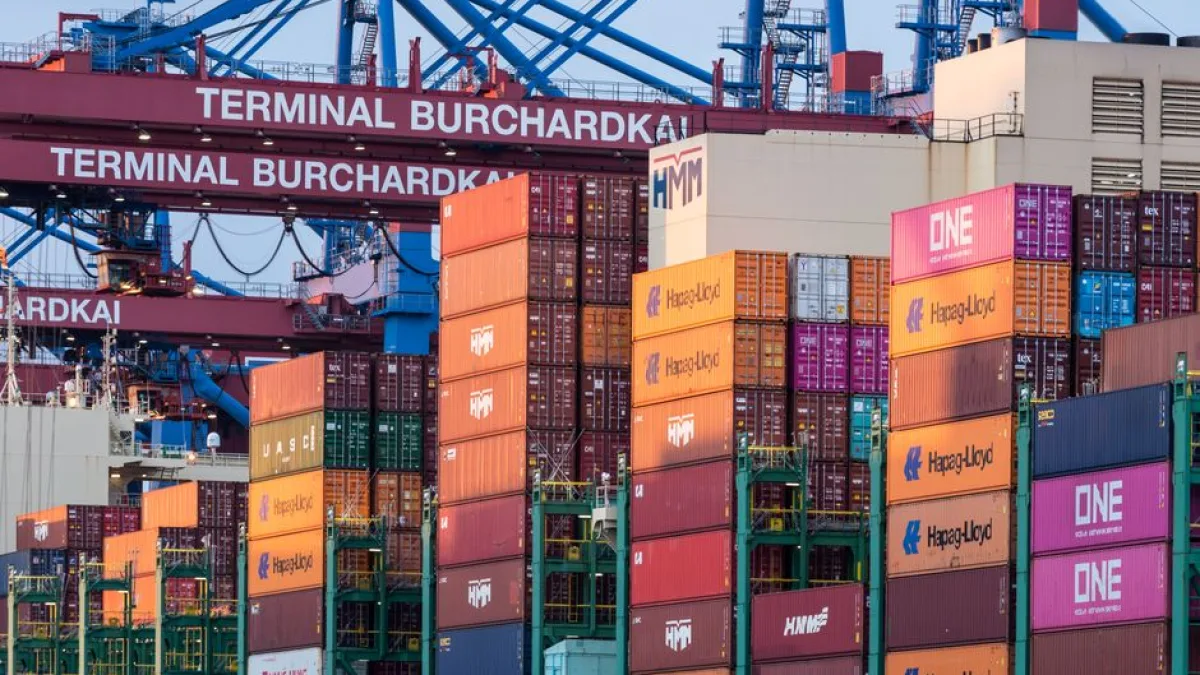
Modern visibility platforms represent a departure from traditional spreadsheets by providing live data feeds that monitor shipments in real time. These digital tools allow forwarders to visualize every leg of the journey, ensuring that information flows continuously from port to final destination.
- Real time tracking: Advanced API integrations allow logistics teams to monitor vessel locations and land transport status constantly without needing to manually verify data through carrier portals or email inquiries.
- Automated status updates: Cloud systems trigger immediate alerts for stakeholders whenever a shipment reaches a milestone, reducing the workload on customer service teams while keeping clients informed at every step.
- Data synchronization tools: Centralized platforms ensure that all relevant parties access the same shipping information simultaneously, effectively eliminating inconsistencies that often arise when data is siloed across different operational departments.
- Exception management features: Intelligent software highlights potential delays before they escalate, enabling freight forwarders to communicate transparently with clients and implement contingency plans that minimize the financial impact of logistics disruptions.
Transitioning to automated systems creates a foundation for scalable growth. By removing the need for repetitive manual check-ins, your team can dedicate their expertise to resolving complex logistics challenges rather than performing administrative updates. This evolution in visibility empowers your agency to handle larger volumes with greater accuracy while maintaining the personal level of service that distinguishes your brand in a crowded global marketplace.
Leveraging Predictive Analytics

Predictive analytics uses historical performance data to forecast potential bottlenecks before they affect the transit schedule. By analyzing past routes and carrier performance, firms can make informed decisions that optimize delivery timelines and reduce the risk of unexpected cargo delays.
- Historical performance trends: Analyzing past shipment data provides valuable insights into carrier reliability, allowing your agency to select partners who consistently meet deadlines and maintain high service standards for clients.
- Bottleneck identification models: Predictive algorithms examine traffic patterns and port congestion levels to suggest alternative routing options that bypass heavily delayed zones, keeping your supply chain moving despite external pressures.
- Optimized transit forecasting: Accurate estimates of arrival times are calculated using machine learning, which accounts for external variables like weather patterns and seasonal fluctuations that standard software might ignore.
- Capacity planning assistance: Understanding demand cycles through predictive modeling enables your team to secure equipment in advance, ensuring that space is available exactly when your customers need to move goods.
Adopting predictive tools changes the nature of client relationships by shifting the focus from damage control to proactive optimization. When you provide partners with reliable forecasts, you demonstrate a level of professionalism that secures long-term loyalty. Utilizing these insights helps your firm stay ahead of market shifts, turning potential risks into competitive advantages through superior planning and data-driven strategic decision-making processes.
Building Stakeholder Trust

Transparency serves as the primary currency in modern freight forwarding, directly influencing the longevity of client relationships. Providing clear, accessible information during every transit phase reduces anxiety for shippers and positions your agency as a reliable partner in their global supply chain.
- Client portal access: Offering a branded digital space where customers can view their shipment status independently fosters confidence and reduces the frequency of routine status inquiry calls and emails.
- Transparent communication flows: Consistent updates provided through automated channels ensure that clients are never left wondering about their cargo location, fostering a sense of security during long and complex international hauls.
- Accountability through data: Maintaining a comprehensive digital audit trail for every shipment provides objective evidence of performance, which helps resolve disputes and clarifies responsibilities during rare service failures or damages.
- Value added reporting: Sharing detailed performance metrics with your top-tier clients demonstrates the specific value your agency provides, which strengthens professional bonds and justifies long-term service contracts and partnerships.
Trust is earned through consistent performance and clear communication. By prioritizing visibility, you remove the guesswork that often plagues the logistics industry, replacing it with measurable accuracy. Clients appreciate the honesty that comes with real-time tracking, even when challenges arise. This openness turns your freight forwarding agency into a strategic asset, ensuring that partners rely on your expertise for their most critical shipping needs.
Scaling Through Integration
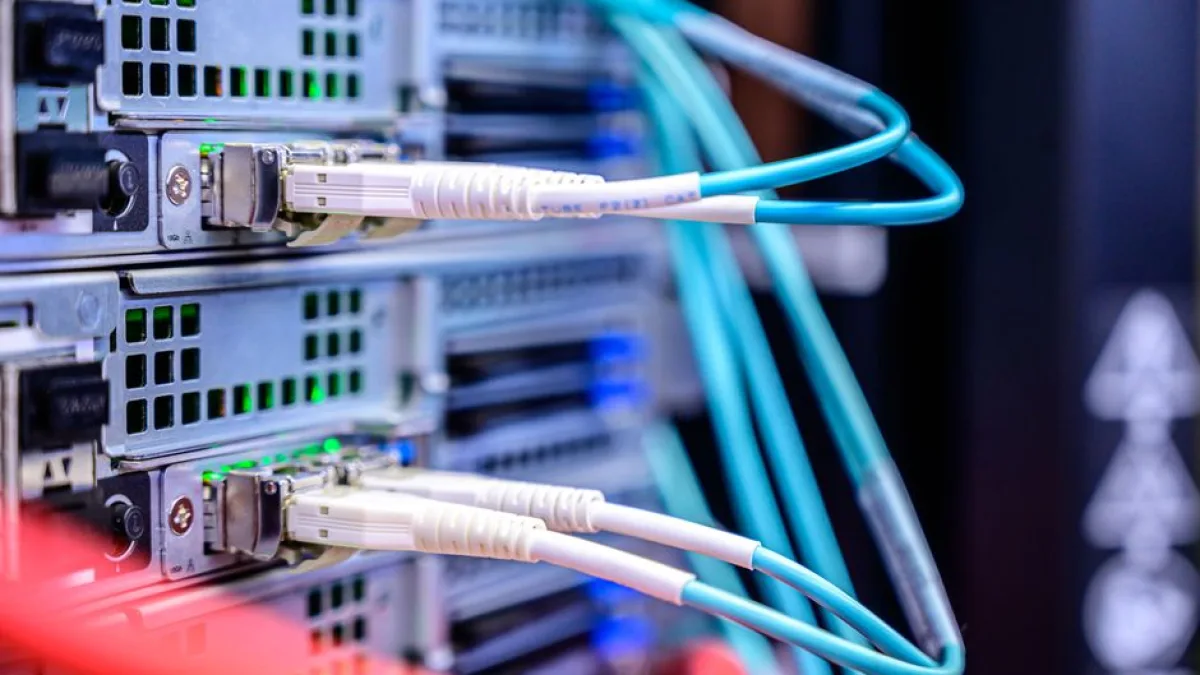
Integrating tracking software with existing ERP or accounting tools is essential for modernizing workflows. A unified digital ecosystem eliminates data silos, allowing for seamless communication across your internal departments and external shipping partners, which is vital for long-term operational success.
- Seamless system integration: Modern cloud platforms connect easily with existing infrastructure, ensuring that your tracking data flows directly into your billing and documentation modules without requiring redundant manual data entry.
- Custom API development: Customizing the way data moves between platforms allows your agency to tailor tracking solutions to specific client requirements, offering a flexible service that meets diverse operational needs.
- Workflow automation benefits: Linking tracking status to invoicing processes ensures that billing occurs exactly when milestones are met, which accelerates your revenue cycle and improves overall company cash flow performance.
- Scalability for expansion: Cloud-based systems provide the flexibility to add new routes, carriers, or office locations without significant hardware investments, enabling your business to grow rapidly while maintaining consistent tracking quality.
Unified digital systems are the backbone of a high-performance freight agency. By reducing administrative friction and ensuring data integrity across your entire workflow, you can focus on expanding your market share rather than maintaining outdated legacy software. Investing in integrated cloud technology allows you to build a resilient operational core that supports sustainable growth and keeps your team performing at the highest efficiency levels.
Conclusion
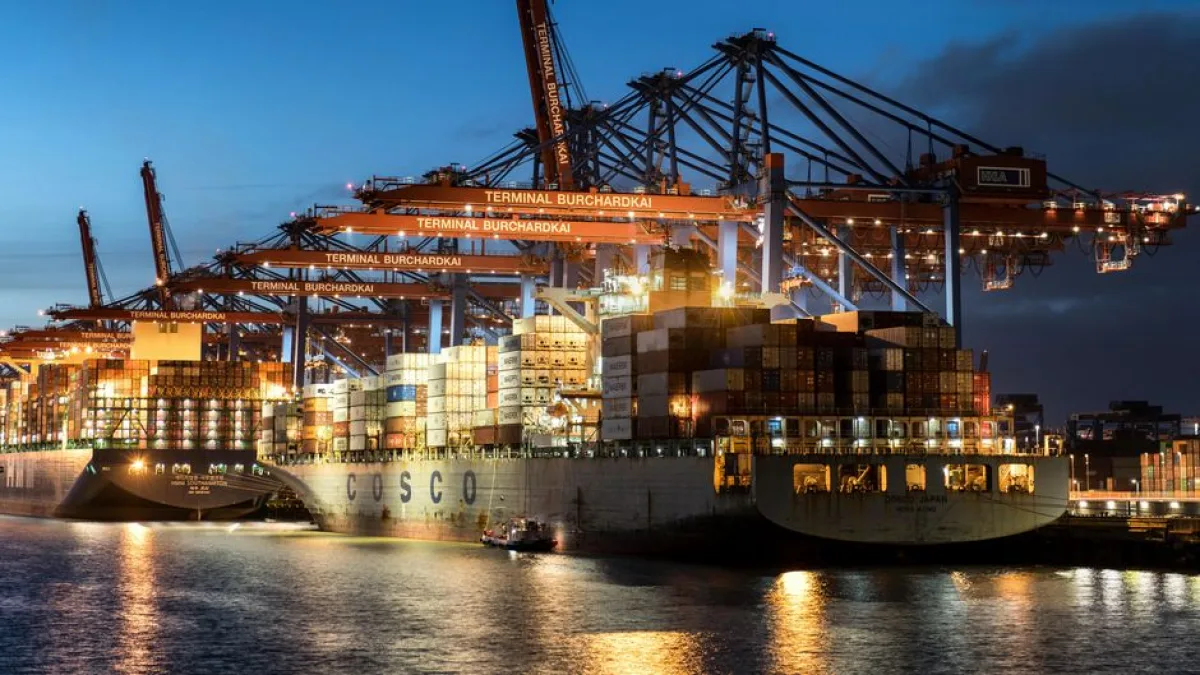
Implementing robust tracking technology is no longer optional for freight forwarders aiming to stay competitive in an interconnected global economy. By embracing automation, predictive insights, and total transparency, your agency can deliver unparalleled value to clients. Focus on integrating your systems today to build a future-proof foundation for your business. Start your journey toward seamless shipping management by upgrading your digital infrastructure right now.