Optimizing Freight Transparency with Advanced Tracking Systems
Friday, August 7 2026
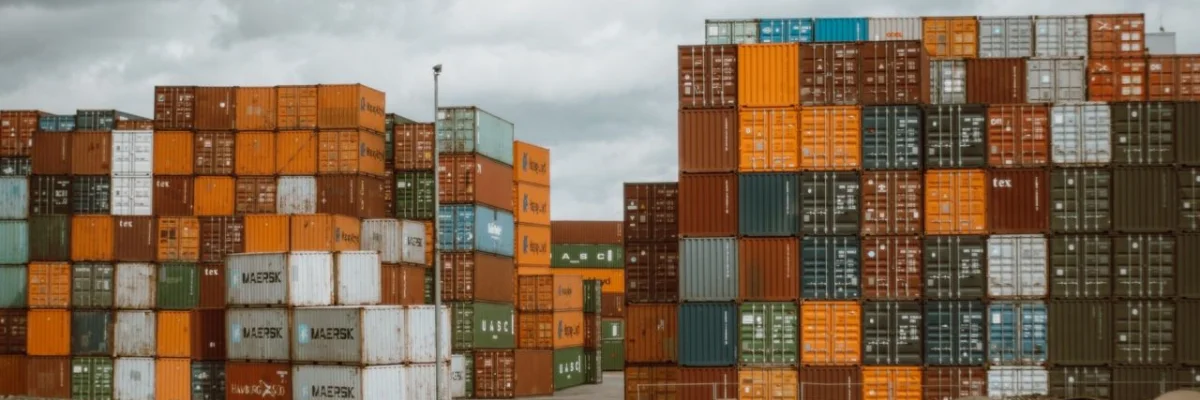
In the modern logistics landscape, the ability to provide real-time visibility has evolved from a luxury to an essential operational requirement. Freight forwarders are increasingly tasked with navigating complex global supply chains while meeting the rising expectations of shippers who demand constant updates on cargo status. By leveraging cloud-based platforms, professionals can now integrate granular tracking data directly into their workflows to mitigate risks and enhance customer trust. Adopting sophisticated technological solutions not only eliminates information silos but also empowers teams to make proactive decisions that ensure timely delivery and superior service across every stage of the transit process.
The Role of Real-Time Data

Modern digital platforms transform raw shipping data into actionable insights for freight professionals. By centralizing information from carriers and ports, software solutions ensure that every team member has access to accurate updates, effectively reducing manual errors and saving valuable time during daily operations.
- Automated status updates: Real-time synchronization eliminates the need for manual check-ins with carriers, allowing your team to focus on high-value tasks while keeping clients informed through automated, precise notifications.
- Improved route planning: Access to live transit data helps forwarders identify potential congestion points early, enabling them to pivot shipments proactively to avoid delays and maintain delivery schedules.
- Centralized communication hubs: Storing all tracking logs in one platform prevents information loss and ensures that every customer service representative can answer inquiries with total confidence and clarity.
- Reduced operational costs: By minimizing the time spent tracking individual shipments manually, logistics firms can significantly lower overhead expenses and increase the overall capacity of their forwarding operations.
- Enhanced client trust: Providing shippers with a self-service portal creates transparency that builds long-term partnerships and distinguishes your freight forwarding business from competitors lacking modern technical infrastructure capabilities.
Consistently monitoring shipments through integrated digital tools empowers your firm to maintain high service levels regardless of external disruptions. By prioritizing data accuracy, you create a robust framework that supports scalable growth and operational excellence. Investing in these systems allows your team to handle larger volumes with fewer headaches while delivering a seamless experience that encourages your clients to return for future shipping requirements.
Integrating Carrier API Connections
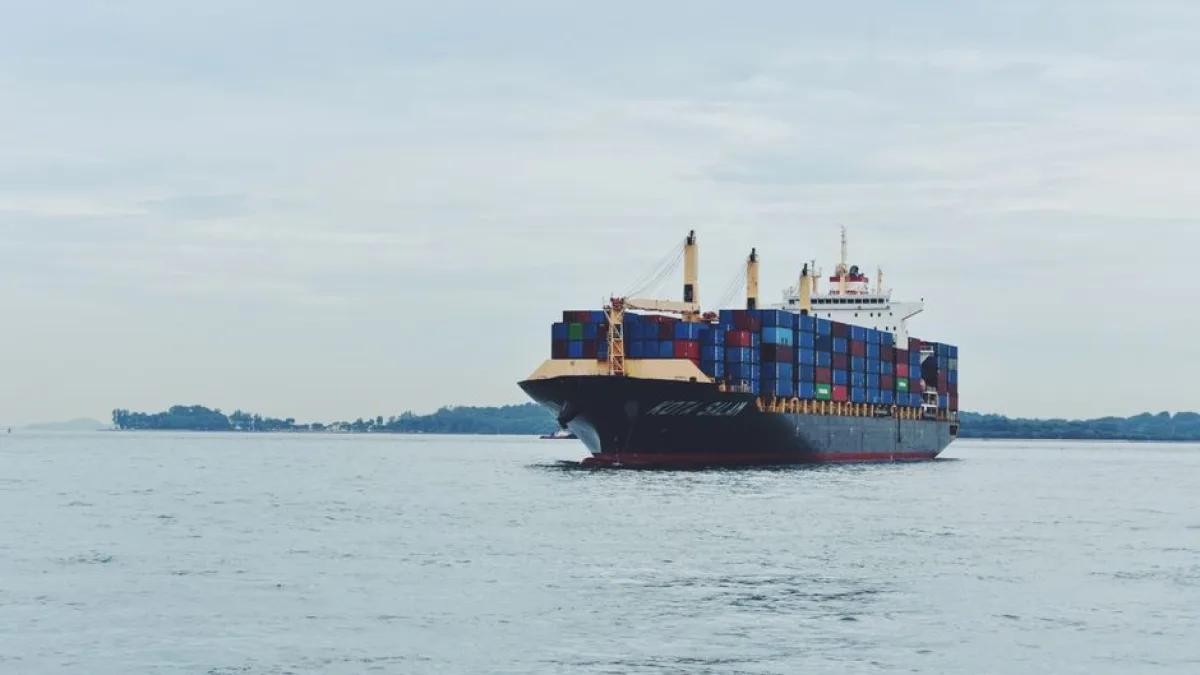
Connecting directly to carrier APIs provides a seamless flow of information that bypasses traditional email chains. This direct integration ensures that critical milestone data, such as vessel arrivals and container discharge events, reaches your dashboard the moment it occurs on the water.
- Seamless data ingestion: Establishing direct connections with global shipping lines ensures that your internal systems receive standardized information, which eliminates the inconsistencies often found in manual reporting formats.
- Instant arrival notifications: Automated alerts regarding vessel berthing and gate-out status allow for better coordination with drayage partners and warehouse teams to optimize the final mile of delivery.
- Error reduction measures: Relying on direct machine-to-machine data transmission minimizes the risk of human error associated with re-keying carrier updates into internal tracking spreadsheets or aging legacy software.
- Scalable technical growth: Robust API architectures are designed to handle growing volumes of tracking requests, ensuring your technology stack remains reliable even as your business takes on more shipments.
- Standardized data reporting: Using a unified format for all incoming carrier data allows for better performance analytics, helping you identify which carriers provide the most reliable service levels.
Integrating these technologies into your daily routine creates a more responsive environment for managing complex cargo movements. When you remove manual bottlenecks, your logistics team gains the freedom to manage exceptions rather than chasing status updates. This transition is essential for companies aiming to modernize their service offerings and maintain competitive margins in an industry that demands increasingly fast response times and reliability.
Managing Exceptions and Delays

Even with advanced technology, unforeseen disruptions are part of the logistics cycle. Effective freight platforms categorize exceptions automatically, allowing your team to prioritize high-risk shipments that require immediate intervention to avoid costly penalties or extended cargo storage at busy hubs.
- Automated delay alerts: Software systems flag potential delays as they happen, ensuring your team has the information needed to contact clients early and discuss contingency plans for shipments.
- Proactive issue resolution: Identifying problems before they impact the final delivery allows for strategic re-routing or expedited handling that keeps the supply chain moving during unpredictable events.
- Document management integration: Accessing bills of lading and customs documents alongside tracking data helps teams quickly verify shipment details when an exception occurs at a border.
- Performance trend analysis: Tracking where and why delays occur allows forwarders to evaluate carrier performance objectively and adjust their vendor preferences to favor those with better reliability.
- Streamlined client reporting: Communicating delays with professional, data-backed reports helps maintain transparency during difficult periods, ensuring that shippers feel supported by your firm through any logistical challenge.
Proactive exception management is the hallmark of a high-performing freight forwarder. By catching potential issues early through automated alerts, you demonstrate a level of professionalism that secures long-term loyalty from your shippers. Maintaining this focus on problem solving rather than just data collection keeps your operations agile and helps your company navigate the inevitable complexities of global trade with efficiency and total confidence.
Leveraging Analytics for Performance

Data-driven decision making starts with analyzing historical tracking trends to refine your future shipping strategies. By evaluating transit times and carrier reliability, your firm can make better procurement choices that align with your clients budget and delivery requirements for upcoming business projects.
- Carrier performance metrics: Reviewing historical data helps you compare different shipping lines and freight providers, ensuring that you consistently select the best partners for specific routes.
- Route efficiency reports: Analyzing common transit times across different regions enables your team to provide clients with more accurate delivery estimates and realistic project timelines from day one.
- Optimized procurement strategies: Using data to negotiate better rates based on volume and performance levels helps improve your profit margins while offering your clients more competitive pricing.
- Customer satisfaction trends: Tracking the correlation between proactive communication and client feedback helps identify which aspects of your tracking process add the most value to your service.
- Future operational planning: Transforming historical trends into future projections allows your management team to allocate resources effectively, ensuring that your staff is prepared for seasonal peak shipping volumes.
Data analytics transforms your logistics platform from a simple tracking tool into a strategic asset for your business. By continuously reviewing performance metrics, you can refine your processes and provide superior value to your shippers. Embracing this analytical approach ensures that your freight forwarding business remains adaptable, profitable, and ready to meet the evolving demands of the global shipping market over the long term.
Conclusion

Mastering freight visibility requires a commitment to both advanced technology and strategic operational processes. By integrating real-time data, connecting carrier APIs, managing exceptions, and leveraging performance analytics, your firm can provide exceptional service to shippers worldwide. Start streamlining your operations with MakeCargo today to ensure your team has the tools necessary to stay ahead in a competitive, fast-paced logistics industry environment.