Optimizing Global Freight Operations for Maximum Efficiency
Saturday, August 1 2026

In the modern logistics landscape, freight forwarding professionals face unprecedented pressure to balance speed, cost, and accuracy. As supply chain complexities rise, relying on manual processes or fragmented legacy systems often leads to operational bottlenecks and reduced profit margins. Forward-thinking companies are now shifting toward integrated cloud-based platforms to automate documentation and improve visibility across global shipping lanes. By leveraging sophisticated digital tools, freight forwarders can transform their workflows, minimize human error, and provide clients with the real-time insights required to navigate today's volatile international markets while maintaining a significant competitive edge in the industry.
Streamlining Documentation Workflow

Automating the generation and management of shipping documents is essential for reducing administrative overhead. By moving away from manual data entry and email-heavy processes, teams can focus on higher value tasks, ensuring that every bill of lading and commercial invoice remains accurate.
- Automated Data Entry: Implement intelligent software that extracts information from shipping documents directly into your platform to eliminate repetitive manual typing and significantly reduce costly human data entry errors.
- Centralized Document Storage: Maintain a secure cloud repository where all shipping files are stored and organized, allowing team members to access critical information from any location at once.
- Standardized Template Creation: Utilize customizable templates for standard shipping documents to ensure consistency across all client files while drastically reducing the time spent drafting repetitive legal cargo paperwork.
- Real-time Validation Checks: Enable automated software alerts that notify your team of missing data or inconsistencies in documents before they are submitted to customs or carrier partners.
- Enhanced Compliance Tracking: Maintain a clear digital audit trail of every document version, which helps your team stay prepared for internal reviews or external regulatory audits.
Digital document management represents the foundation of modern logistics efficiency. When your team spends less time hunting for files or correcting typos in spreadsheets, they can prioritize complex logistical problem-solving. This strategic shift not only accelerates cargo clearance times but also builds stronger trust with your client base as they receive consistently accurate documentation, ultimately positioning your agency as a high-performing leader within the sector.
Enhancing Real-time Shipment Visibility
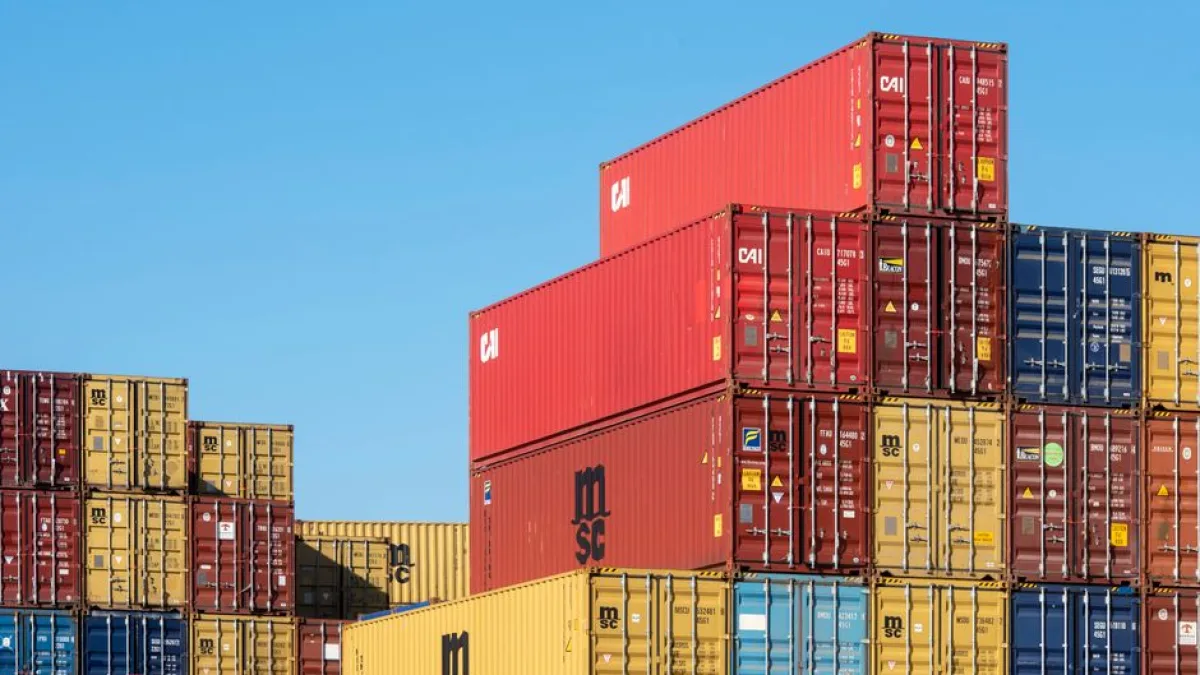
Global shippers demand transparency throughout the entire movement of their cargo. Providing real-time updates through a centralized portal replaces the traditional practice of sending numerous status check emails, allowing clients to self-serve their information whenever they need to know.
- Integrated API Connectivity: Connect your forwarding software directly with carriers to receive automatic milestone updates that reflect the current location and status of every client container.
- Client Portal Access: Grant your customers direct access to a personalized dashboard where they can view shipment statuses and milestones without contacting your support team every day.
- Automated Milestone Alerts: Configure your system to push instant notifications to stakeholders whenever a shipment reaches a specific location or faces an unexpected delay in transit.
- Interactive Cargo Mapping: Use visual dashboard maps that display global shipment locations in real-time to give your team a clear view of where assets are located today.
- Exception Management Focus: Set up automated alerts to highlight shipments that fall outside of expected transit parameters, enabling your staff to resolve potential bottlenecks before they escalate.
Superior visibility is no longer a luxury but an industry standard for successful freight forwarders. When you provide immediate access to transit data, you reduce the workload on your customer service department while increasing overall client satisfaction scores. This proactive approach to status updates allows your team to handle exceptions with speed and precision, ensuring that your operations remain smooth regardless of global market conditions.
Improving Carrier Performance Management
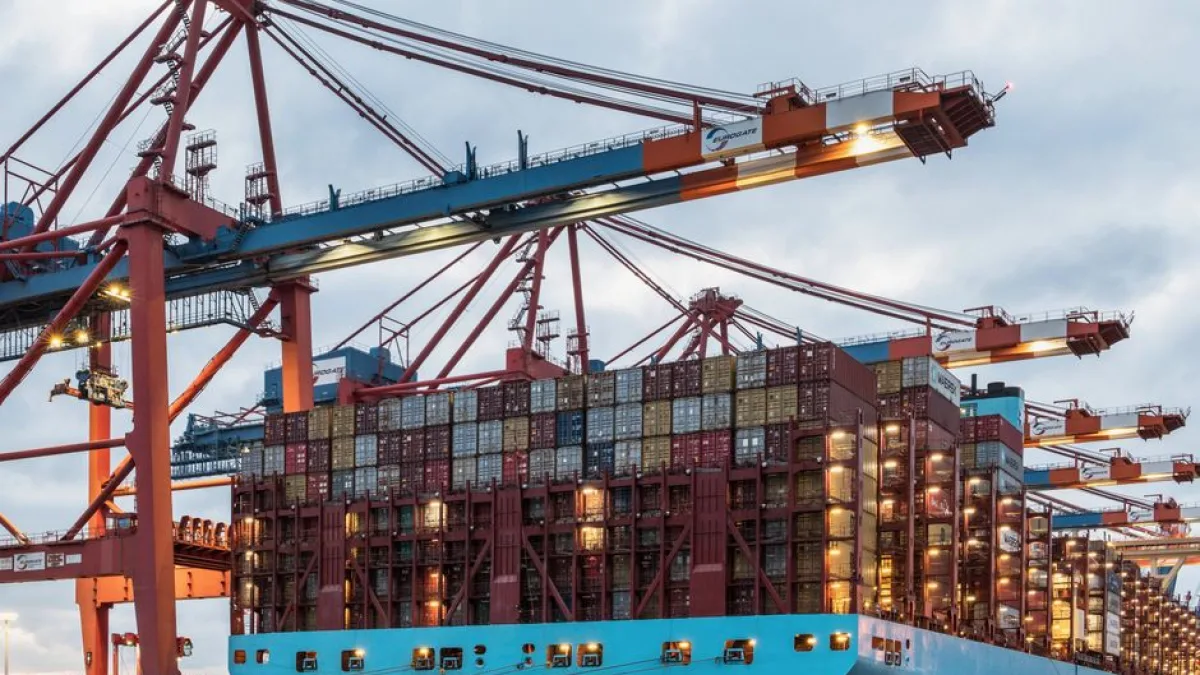
Managing relationships with various carriers requires data-driven decision-making. By analyzing historical performance metrics, your agency can identify which partners deliver the most reliability and cost-effective services, allowing for better contract negotiations and improved long-term service quality for your end clients.
- Performance Analytics Dashboards: Evaluate carrier reliability by tracking historical transit times and identifying which shipping lines consistently meet your delivery windows for specific regional trade routes.
- Cost Comparison Tools: Utilize built-in analytical modules to compare current carrier rates, ensuring that you always select the best pricing options based on your specific operational needs.
- Vendor Relationship Scoring: Assign performance scores to your carrier partners based on actual data to identify those that provide the highest levels of service to your business.
- Streamlined Communication Logs: Maintain a history of all interactions with carrier representatives within your software platform, ensuring that no critical details are lost during staff transitions.
- Contract Management Features: Store digital copies of carrier contracts to easily reference specific terms and service agreements whenever a dispute or question regarding freight charges arises.
Evaluating carrier partnerships based on hard data rather than intuition enables smarter procurement and improved service reliability. When your agency understands the strengths and weaknesses of each carrier, you can make informed routing decisions that protect your bottom line. This methodical management style enhances your overall operational performance, helping you to deliver consistent value to shippers while maintaining strong, productive relationships with global carriers.
Automating Financial Accounting Processes

Invoicing and billing complexities often lead to revenue leakage in traditional freight operations. By automating the financial side of logistics, your team can ensure that all freight charges, surcharges, and customs fees are captured correctly, speeding up the entire payment cycle for your business.
- Automated Invoice Matching: Use software to cross-reference carrier invoices against initial quotes to detect discrepancies automatically, which prevents overcharging and protects your company profit margins every month.
- Integrated Payment Portals: Simplify the collection of funds by providing clients with secure, direct payment options that integrate with your accounting software for faster ledger reconciliation.
- Dynamic Currency Conversion: Handle international shipments with ease by using built-in tools that calculate charges in multiple currencies to maintain accuracy during fluctuating global exchange rate periods.
- Real-time Profitability Reports: Generate instant reports on the profitability of individual shipments or clients to help management make better decisions regarding future business growth and focus areas.
- Automated Tax Calculation: Configure your system to apply correct tax rates for different jurisdictions automatically, reducing the burden on your accounting department and ensuring full legal compliance.
Automating your financial processes transforms your back office from a slow manual task center into a high-speed revenue machine. By minimizing the time spent on manual billing tasks and revenue reconciliation, your finance team gains more time for high-level analysis. This automated approach ensures that your agency maintains healthy cash flow while providing customers with clear and accurate billing statements every time.
Conclusion

Modernizing your freight operations requires a commitment to digital integration and continuous process improvement. By adopting cloud-based platforms that prioritize automation, real-time visibility, and accurate financial management, your agency can overcome typical logistics challenges with ease. Start evaluating your internal workflows today to identify where technology can bridge the gap, ensuring your team remains agile and competitive in a constantly changing global market.