Optimizing Global Freight Operations for Modern Forwarders
Sunday, August 16 2026
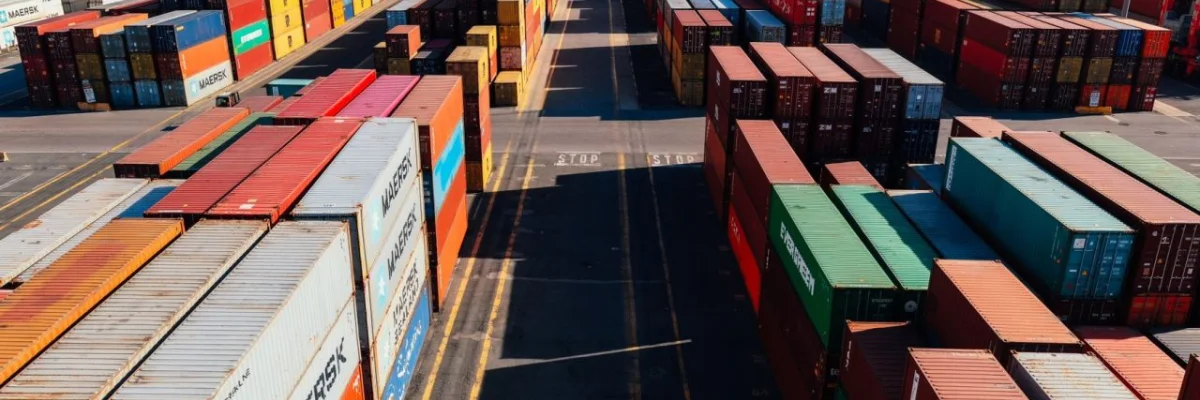
Modern freight forwarding requires a delicate balance of precision, speed, and transparency in an increasingly volatile global landscape. As supply chains grow more complex, forwarders must pivot away from legacy manual processes toward digitized workflows that enhance visibility and reduce operational bottlenecks. By leveraging cloud-based platforms, logistics providers can effectively manage bookings, documentation, and real-time tracking from a centralized hub. This evolution not only satisfies rising client expectations for immediate status updates but also empowers teams to focus on strategic growth rather than repetitive administrative tasks, ensuring long-term profitability in a competitive international shipping market.
Streamlining Documentation Workflows

Managing shipment documentation is often the most time consuming aspect of logistics operations due to the sheer volume of paperwork. Automating these document flows reduces human error and accelerates the clearing process for customs authorities and partner carriers worldwide.
- Automated Data Entry: Implement smart scanning tools to extract information from invoices and packing lists directly into your system, effectively removing the need for manual data entry and reducing mistakes.
- Centralized Cloud Storage: Maintain a secure digital repository where all shipment related files are stored and accessible, allowing your team to retrieve documents instantly from any location globally.
- Digital Signature Integration: Utilize electronic signing platforms to expedite the approval process for bills of lading and commercial invoices, eliminating the delays caused by physical mailing and courier services.
- Real Time Verification: Use integrated validation rules to ensure that every document meets international compliance standards before submission, preventing costly customs holdups and regulatory fines for your clients.
Transitioning to a digital document workflow fundamentally changes how your firm operates by reducing cycles of manual verification and physical handling. When your team stops chasing paper, they regain valuable hours every day to dedicate toward resolving high-level logistics challenges for your clients. This shift creates a foundation of accuracy that builds trust and distinguishes your forwarder services in a crowded and noisy global market.
Enhancing Real-Time Cargo Visibility
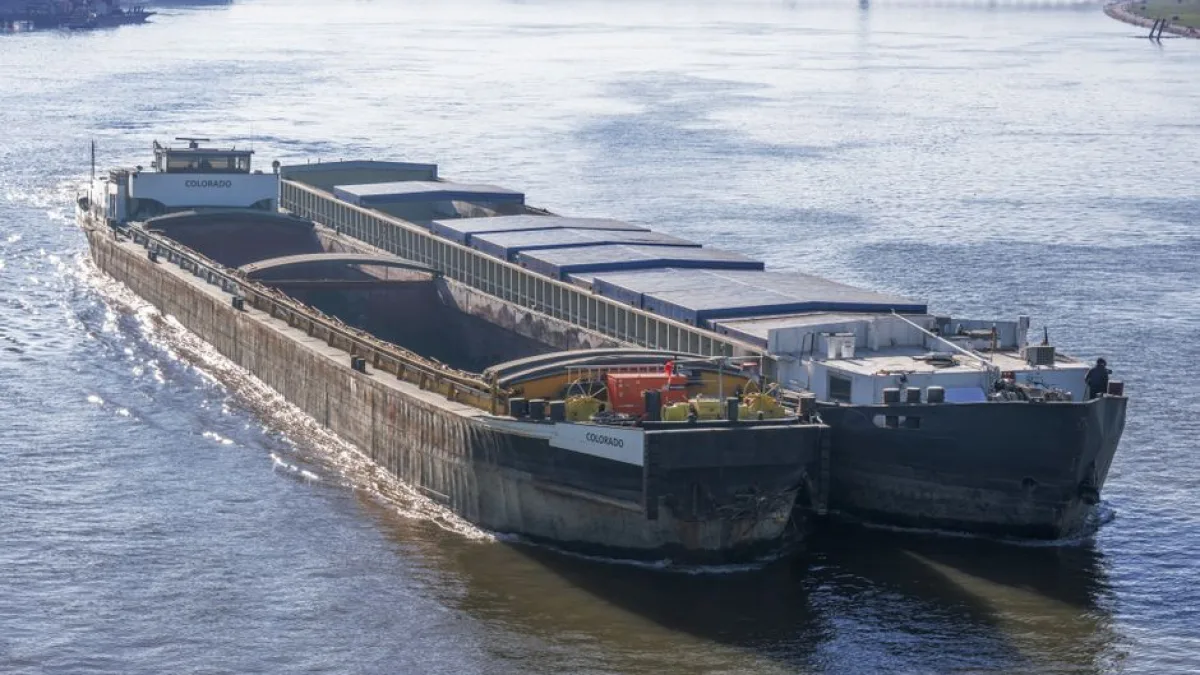
Clients today expect instant access to the precise location and status of their shipments. Providing this transparency is no longer a luxury but a fundamental requirement for maintaining strong client relationships and reducing constant inquiries to your operations team.
- Live Tracking Maps: Deploy intuitive mapping tools that display vessel and truck locations in real time, giving your clients direct access to their shipment status without manual updates.
- Automated Status Alerts: Configure your software to send proactive notifications via email or text whenever a shipment reaches a milestone, keeping all stakeholders informed without repetitive internal communications.
- Exception Management Alerts: Receive instant notifications when a shipment faces an unexpected delay at a port or border, allowing you to inform customers and provide solutions before escalation.
- Provider API Integrations: Connect your platform directly to ocean and air carrier APIs to pull the most accurate data available, ensuring that your customers never see outdated information.
Visibility serves as the backbone of modern freight forwarding because it provides the clarity necessary to navigate sudden disruptions. When you offer clients a window into their cargo journey, you demonstrate a commitment to service excellence that competitors simply cannot match. This transparency reduces the volume of status update requests, allowing your staff to manage by exception and address critical issues with efficiency.
Optimizing Carrier Rate Management
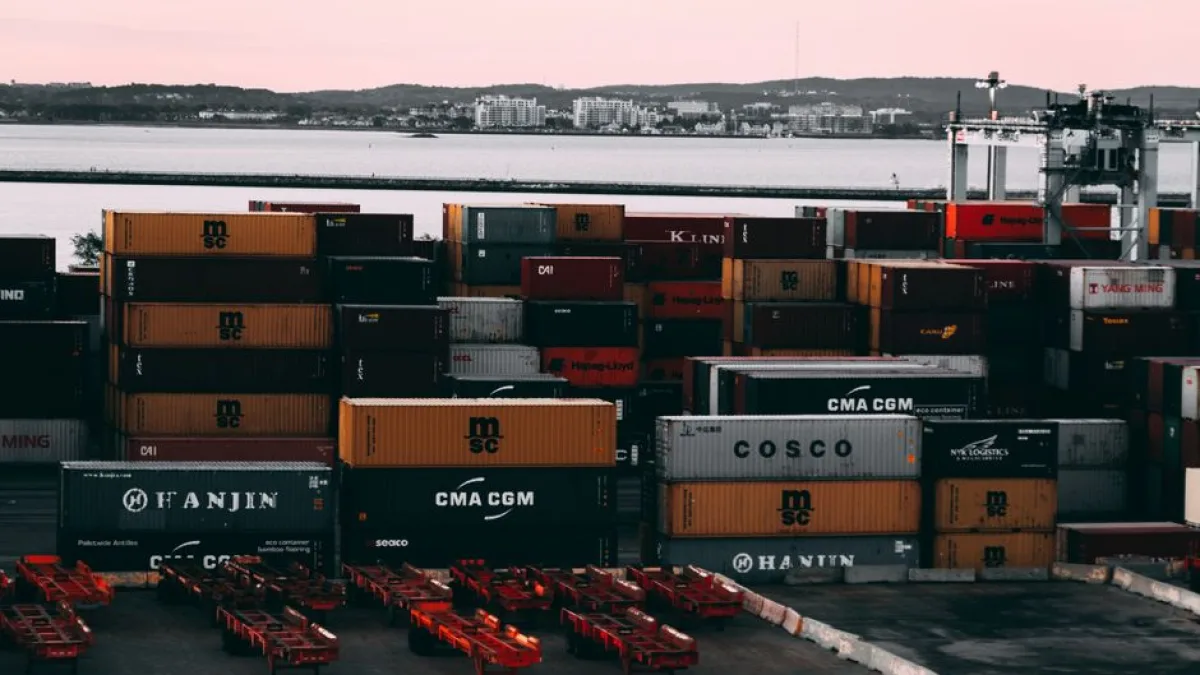
Securing the best rates while maintaining service quality is a core challenge for any forwarding business. Centralizing carrier data and contract management allows you to make informed decisions that improve your profit margins and help your customers manage budgets.
- Dynamic Rate Comparison: Utilize a centralized dashboard to compare quotes from multiple carriers side by side, ensuring that you always select the most cost effective option available today.
- Historical Data Analysis: Store past shipment costs and carrier performance data to identify trends, helping you negotiate better service contracts with your primary shipping lines and freight partners.
- Automated Quote Generation: Build an instant quoting engine that applies your internal margin structures to carrier rates, enabling your sales team to provide accurate proposals to customers quickly.
- Carrier Performance Tracking: Monitor key performance indicators for each carrier, including reliability and damage rates, to ensure you are only partnering with vendors that meet your quality standards.
Smart rate management turns your logistics data into a strategic asset that protects your bottom line and helps you scale your operations effectively. By keeping all rate tables and carrier contracts in a single interface, you eliminate the risk of errors and ensure that your pricing remains competitive. This structured approach allows you to focus on high value partnerships rather than searching through scattered spreadsheets.
Automating Financial Settlement Processes

The financial side of logistics involves complex billing cycles that often lead to disputes if not handled with absolute precision. Automating your invoicing and settlement processes ensures that every dollar is accounted for and payments are processed without unnecessary operational delays.
- Integrated Billing Cycles: Automatically generate invoices as soon as milestones are met, ensuring that your accounts receivable department maintains a healthy cash flow throughout the fiscal year.
- Vendor Reconciliation Tools: Use automated matching logic to compare carrier invoices against your internal cost estimates, flagging any discrepancies for immediate review before you process final payments.
- Client Payment Portals: Offer your customers a secure online environment to view their statements and settle balances via preferred payment methods, speeding up the overall collection process cycle.
- Currency Conversion Updates: Sync your billing system with live foreign exchange rates to ensure that international shipments are priced correctly based on the current market value at time.
Efficient financial operations prevent the cash flow bottlenecks that often plague growing freight forwarding firms. By moving away from manual accounting to integrated billing tools, you reduce the time between service delivery and final payment collection. This streamlined financial cycle provides the stability required to invest in new technologies and talent, ensuring your company remains resilient and profitable despite the pressures of international logistics.
Conclusion
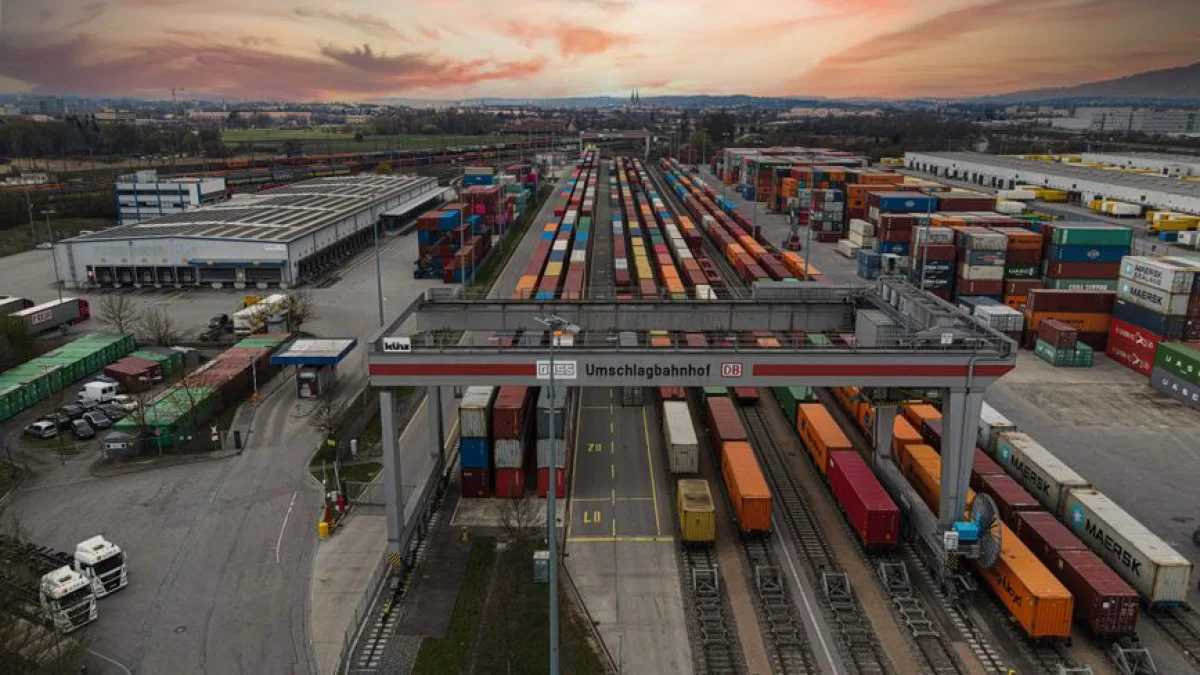
Mastering modern freight operations requires a commitment to digital transformation and the adoption of integrated software solutions. By focusing on documentation efficiency, cargo visibility, rate optimization, and automated financial settlements, forwarders can significantly increase their output while reducing costs. Use these strategies to build a more resilient and scalable logistics operation that excels in meeting the complex demands of today global supply chains.