Optimizing Global Freight Operations with Digital Solutions
Friday, August 28 2026
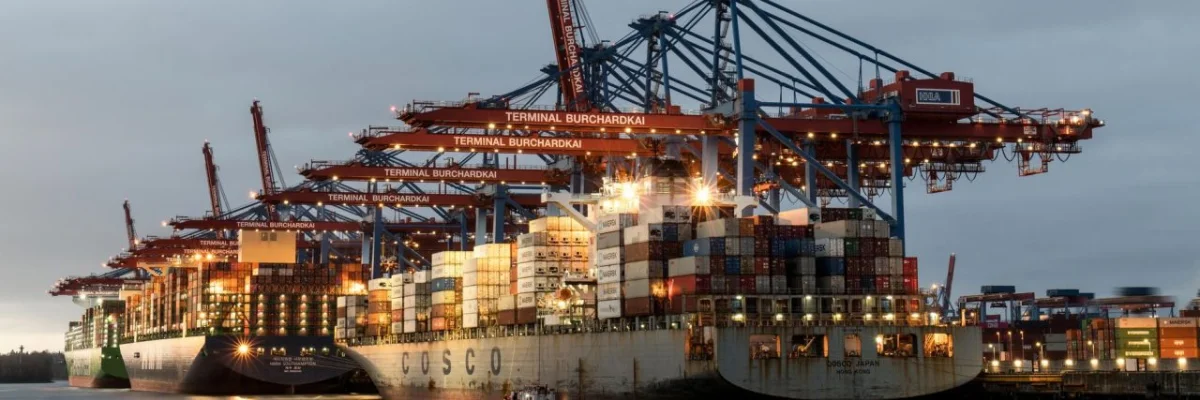
Freight forwarding is currently navigating a period of unprecedented complexity, requiring logistics providers to balance fluctuating market demands with the need for absolute operational precision. As global supply chains become more interconnected, the margin for error in documentation, carrier coordination, and real-time tracking continues to shrink. Professionals who leverage advanced cloud-based platforms gain a significant competitive edge by automating repetitive tasks and centralizing mission-critical communication. This transition toward digital integration is not merely an optional upgrade but a fundamental requirement for companies aiming to scale effectively and maintain high service levels in a volatile international shipping environment.
Streamlining Documentation Workflows

Manual document processing often creates significant bottlenecks that impede the speed of global trade. By transitioning to digital workflows, forwarders can ensure that every bill of lading and commercial invoice is processed with higher accuracy and minimal risk of costly human errors.
- Automated Data Entry: Implement smart systems that extract information directly from documents to reduce manual typing tasks and eliminate data entry inconsistencies throughout your entire logistics network operations.
- Centralized Document Storage: Maintain a secure cloud repository where all shipping files remain accessible to authorized team members, ensuring that critical paperwork never goes missing during transit.
- Standardized Compliance Checks: Use automated validation tools to verify that all international customs documents adhere to current regulations, significantly reducing the likelihood of expensive shipment delays at borders.
- Version Control Management: Track every modification made to essential logistics documents in real time, preventing confusion and ensuring that every stakeholder works from the most current information.
Adopting a robust digital framework allows your team to focus on high-value strategy rather than administrative maintenance. When documentation becomes a seamless background process, your operational capacity increases significantly. Clients benefit from faster turnaround times and fewer disputes, leading to stronger long-term partnerships. By removing the burden of paper-heavy workflows, you position your logistics company to handle greater shipment volumes without adding excessive overhead costs.
Real-Time Shipment Visibility
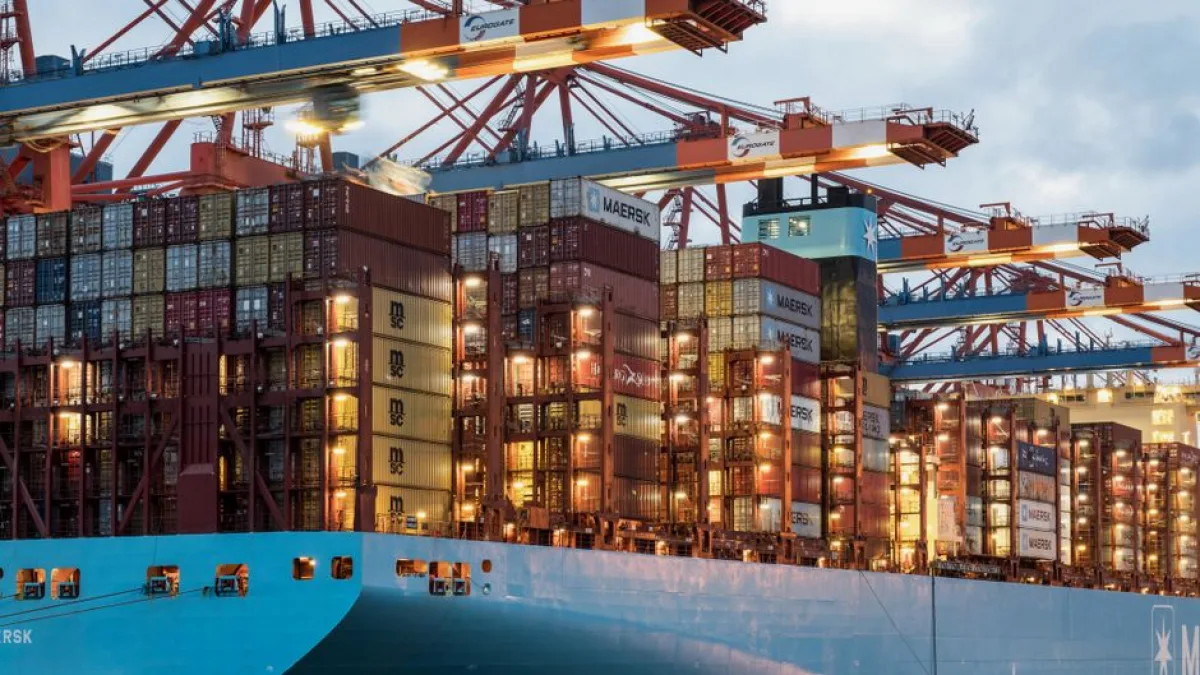
Visibility acts as the backbone of modern freight forwarding, allowing logistics teams to provide proactive updates to customers. Knowing the exact status of a container at any given moment empowers forwarders to solve problems before they escalate into major crises.
- Live Tracking Updates: Utilize integrated carrier APIs to push automated notifications to your dashboard, ensuring that you receive real-time visibility on vessel arrivals and departures for global shipments.
- Proactive Exception Management: Identify potential disruptions or unexpected delays early in the transit process to create mitigation strategies before the cargo is impacted by external port congestion.
- Client Portal Integration: Provide your customers with a secure web interface where they can monitor their shipments independently, reducing the frequency of status check emails and phone calls.
- Transparent Milestone Reporting: Configure automated status milestones that trigger alerts for internal staff and external partners, maintaining consistent communication flow across every stage of the transit cycle.
When you offer transparent visibility, you build profound trust with your client base. Modern shippers expect immediate answers, and providing them via a self-service portal is a hallmark of a professional freight forwarder. This level of insight reduces internal administrative pressure and allows your staff to manage by exception rather than manually chasing updates for every single active shipment currently in transit.
Optimizing Carrier Relations

Strong partnerships with carriers and agents ensure that your freight moves efficiently even during periods of heavy market congestion. Managing these relationships requires organized data and clear communication to secure the best rates and consistent service quality for your shipping customers.
- Carrier Performance Analytics: Track key performance indicators across your entire network of providers to identify which partners deliver the most reliable service and competitive ocean freight pricing.
- Centralized Communication Logs: Maintain a complete history of every interaction with carriers within your software, ensuring that no vital negotiation details or specific shipment instructions are ever forgotten.
- Streamlined Rate Requests: Use digital platforms to send bulk inquiries to multiple carriers simultaneously, allowing you to compare quotes rapidly and choose the best path for cargo.
- Contract Management Tools: Organize your various service contracts and space allocations in a single location to ensure that you are always maximizing your current carrier agreements.
Healthy carrier relationships drive operational resilience during market turbulence. By using a software platform to manage these interactions, you ensure that every negotiation is backed by hard data rather than intuition. This professionalism strengthens your negotiating position and helps secure priority space during peak seasons. Ultimately, your ability to provide consistent results for shippers rests heavily on how well you maintain these vital industry partnerships.
Scaling Through Cloud Infrastructure

Cloud-based technology provides the agility needed to scale freight operations rapidly as your business expands into new markets. Removing dependency on local hardware allows teams to collaborate from anywhere, fostering a more flexible and responsive logistics business model globally.
- Remote Team Collaboration: Enable your staff to access vital operational data and communication tools from any location worldwide, facilitating seamless coordination across different time zones and office locations.
- Data Security Protocols: Protect your sensitive shipping information with enterprise-grade cloud security features that offer superior protection compared to traditional on-site server storage solutions for logistics firms.
- Seamless Software Integration: Connect your freight platform with existing accounting and CRM tools to create a unified ecosystem that automates information flow throughout your entire business organization.
- Rapid Deployment Capabilities: Launch new office locations or onboard new logistics agents quickly by providing instant access to your cloud environment without complex hardware setup or maintenance.
Scaling your operations becomes a strategic advantage when your software infrastructure is built for growth. The cloud allows you to add users and features as your company evolves without needing to overhaul your existing IT environment. This flexibility supports sustainable growth and allows your team to focus on delivering world-class service. Investing in the right technology today secures your company for long-term operational success.
Conclusion

Modern freight forwarding relies on the seamless integration of technology into daily operations to drive growth and efficiency. By embracing digital workflows, real-time visibility, strong carrier relationships, and scalable cloud infrastructure, forwarders can overcome industry challenges. Start optimizing your logistics business today by implementing a comprehensive cloud-based platform that empowers your team to deliver excellence while simplifying complex global trade processes for every client.