Optimizing Global Freight Operations with Digital Integration
Sunday, September 27 2026
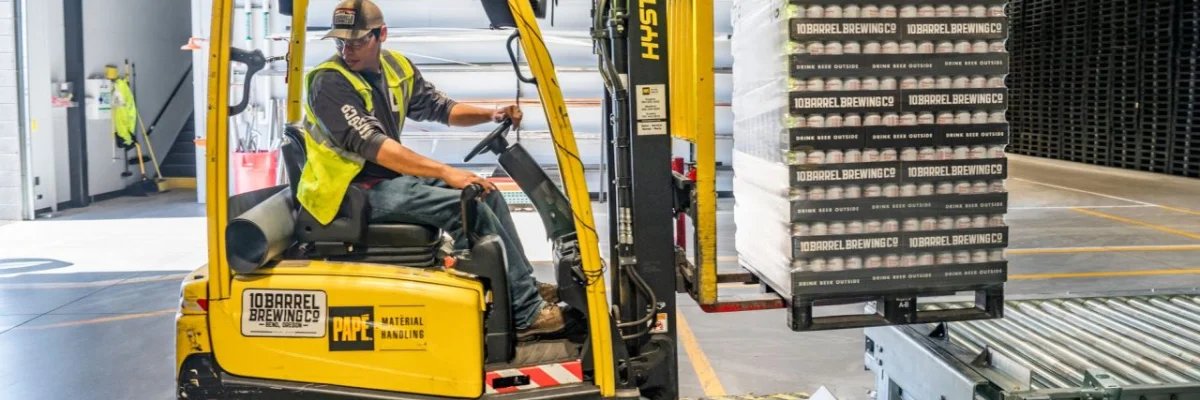
Freight forwarding is undergoing a massive transformation driven by the need for greater transparency and speed in a complex global market. As supply chains face persistent volatility, logistics providers must move beyond legacy manual systems that hinder scalability and precision. Adopting cloud-based platforms allows forwarders to centralize data, improve communication across teams, and ultimately deliver superior service to clients who demand real-time visibility. By embracing digital integration, companies can turn operational challenges into strategic advantages, ensuring that cargo moves seamlessly through every touchpoint while maintaining profitability in a highly competitive and interconnected global trade landscape today.
Streamlining Documentation Workflows

Processing shipping documents manually remains a primary bottleneck for logistics teams, leading to errors and delays that ripple throughout the supply chain. Automating these workflows minimizes human intervention and accelerates the movement of essential cargo paperwork across international borders efficiently.
- Automated Data Entry: Implement intelligent software tools that extract information from invoices and packing lists to reduce manual input errors while significantly increasing the processing speed for daily documentation tasks.
- Digital Document Storage: Maintain a centralized cloud repository where all bills of lading and customs declarations are stored, ensuring that your team can retrieve critical information in seconds.
- Enhanced Compliance Checks: Utilize automated validation protocols to ensure all shipping documents meet specific regional regulatory requirements, helping your firm avoid costly fines or dangerous port hold-ups.
- Version Control Systems: Track every modification made to your shipping files with detailed audit logs, providing total clarity on who updated specific documents during the lifecycle of shipments.
Digital documentation management effectively bridges the gap between traditional processing and modern operational needs. By moving away from physical paper trails, freight forwarders gain the ability to scale their operations without increasing administrative headcount. This shift allows staff to focus on high-value client relations rather than repetitive manual entry, fostering a more agile business environment that responds rapidly to changing global shipping demands and requirements.
Enhancing Real-Time Cargo Visibility
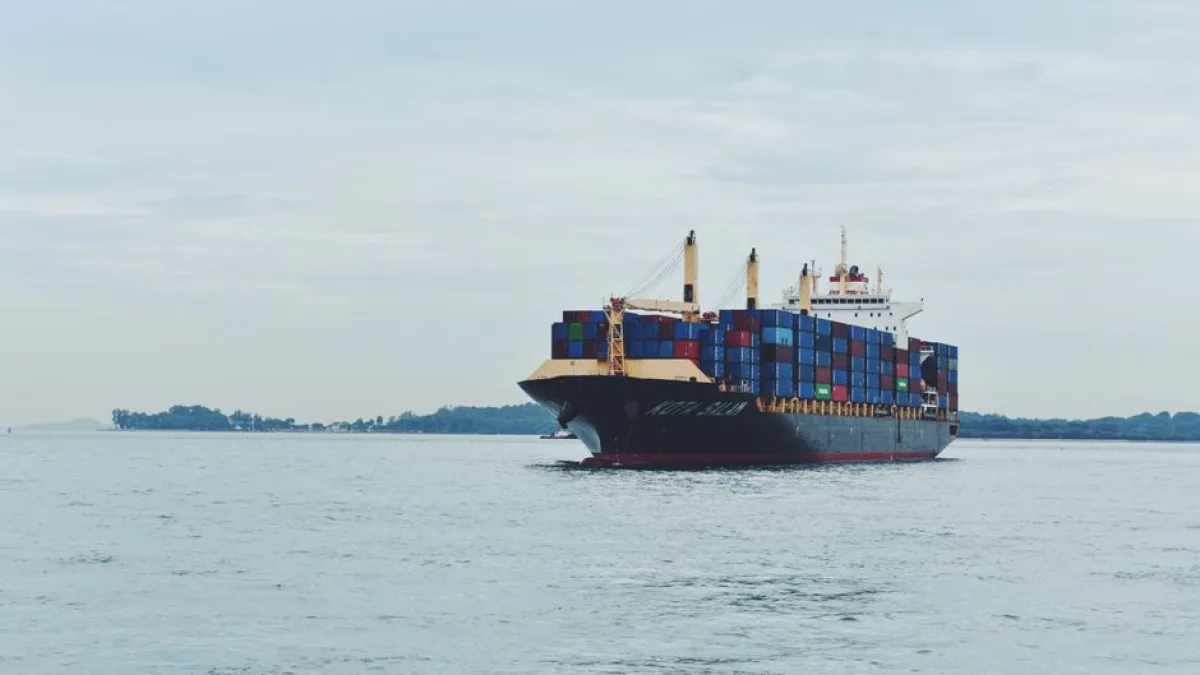
Customers now expect instant status updates on their shipments regardless of the transport mode. Providing accurate, real-time tracking visibility is no longer just a premium service but a fundamental requirement for forwarders aiming to build long-term trust with shippers.
- Live GPS Tracking: Integrate live location data from ocean carriers and trucking partners into your dashboard to provide shippers with precise arrival estimates and accurate transit updates.
- Milestone Event Alerts: Configure automated notifications that trigger when cargo reaches specific checkpoints, ensuring that stakeholders remain informed about the status of their freight throughout its journey.
- Customizable Customer Dashboards: Provide clients with their own secure portal access where they can view shipment progress, download invoices, and communicate with your operations team directly online.
- Predictive Analytics Usage: Analyze historical tracking data to anticipate potential transit delays before they occur, allowing your team to proactively suggest alternative routing options for your valued clients.
Achieving total transparency requires a sophisticated integration of tracking technologies and communication tools that operate in harmony. When forwarders offer high-quality visibility, they empower their clients to make informed logistics decisions while simultaneously reducing the volume of inbound inquiries. This digital approach creates a professional standard of service that differentiates your company from competitors while building long-lasting partnerships with international shipping clients.
Automating Financial Settlement Processes

Financial reconciliation often suffers from delays caused by disconnected accounting systems and late invoice submissions. Automating the billing lifecycle ensures that cash flow remains consistent and that vendor payments are handled accurately within the required credit terms provided.
- Instant Invoice Generation: Create professional shipping invoices automatically based on captured operational data, which reduces the time spent on accounting tasks and accelerates the overall billing cycle significantly.
- Integrated Payment Gateways: Allow international clients to settle their accounts through secure online portals, making the payment process faster and more reliable for your finance department operations.
- Automated Cost Allocation: Map every expense directly to specific shipments using smart algorithms to ensure that margins are clearly visible and profits are accurately reported each month.
- Currency Conversion Tools: Handle international payments easily by using built-in currency management features that update exchange rates automatically, preventing errors during cross-border billing and accounting settlement processes.
Efficient financial operations are the backbone of any successful freight forwarding business, directly influencing growth and liquidity. By automating the link between operational performance and financial reporting, managers gain a clear view of company health at all times. This visibility supports better decision-making regarding pricing and service offerings, ultimately ensuring that the business remains profitable despite the thin margins often seen in logistics.
Scaling Operations Through Integration
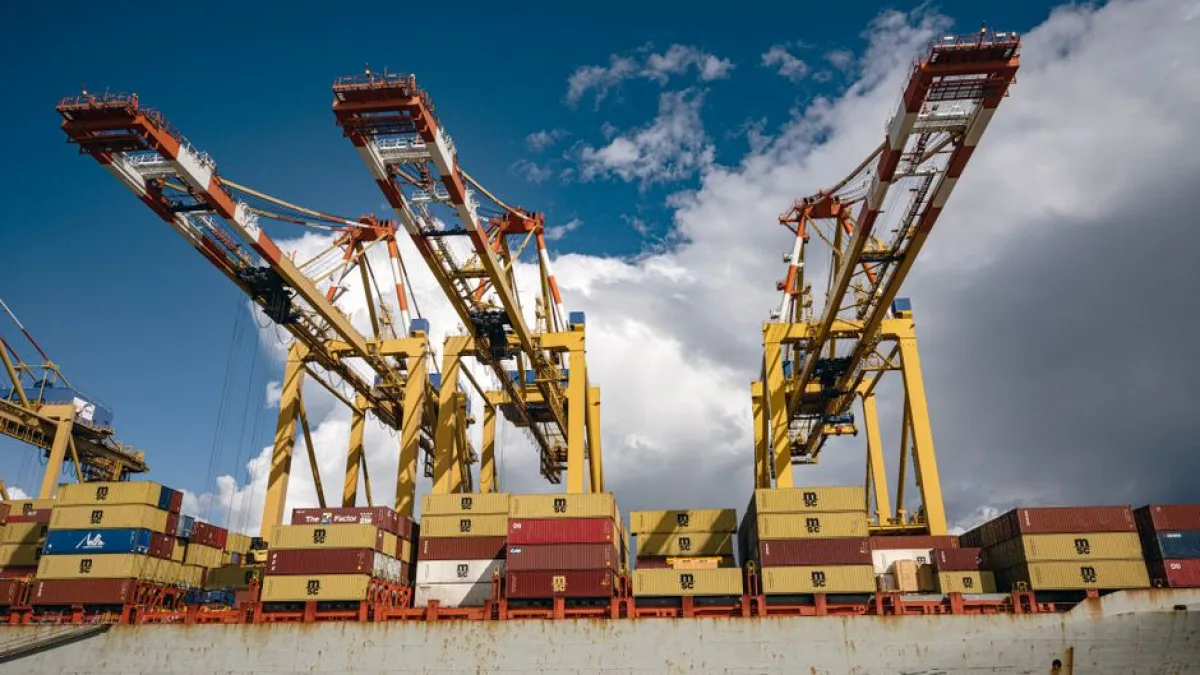
To remain competitive, freight forwarders must leverage cloud technology that connects various third-party systems into a single source of truth. Integration reduces data silos and ensures that every department works with the same updated information, fostering internal collaboration.
- API Connectivity Features: Connect your primary freight software with carrier portals and customs systems via robust APIs to ensure smooth data synchronization across all relevant industry platforms.
- Team Collaboration Tools: Utilize shared internal messaging platforms within your software to discuss specific shipments, preventing critical information from being lost in fragmented email chains or offline chats.
- Scalable Cloud Infrastructure: Benefit from cloud-based systems that grow with your company, allowing you to add new users or branches without the need for complex, expensive server hardware.
- Data Integrity Assurance: Rely on secure cloud backups and automated synchronization to keep shipment data safe, consistent, and accessible to authorized staff members from any global location.
Scalability requires a foundation that can handle increased volume without sacrificing quality or speed. When operations are fully integrated, the business becomes more resilient to industry shocks and better positioned for expansion into new trade lanes. Adopting a unified platform provides the structure necessary for sustainable growth, allowing your team to handle complex global logistics challenges with confidence, accuracy, and consistent operational efficiency.
Conclusion

Modernizing your freight operations is essential for staying relevant in the current global market. By prioritizing digital tools, you improve service levels, increase profitability, and build stronger relationships with your shipping clients. Start your transition today by evaluating your current workflows and selecting technology partners that support your long-term growth. Embracing these innovations will position your forwarding firm for sustained success in years ahead.