Optimizing Global Freight Tracking Systems for Modern Logistics
Thursday, October 15 2026
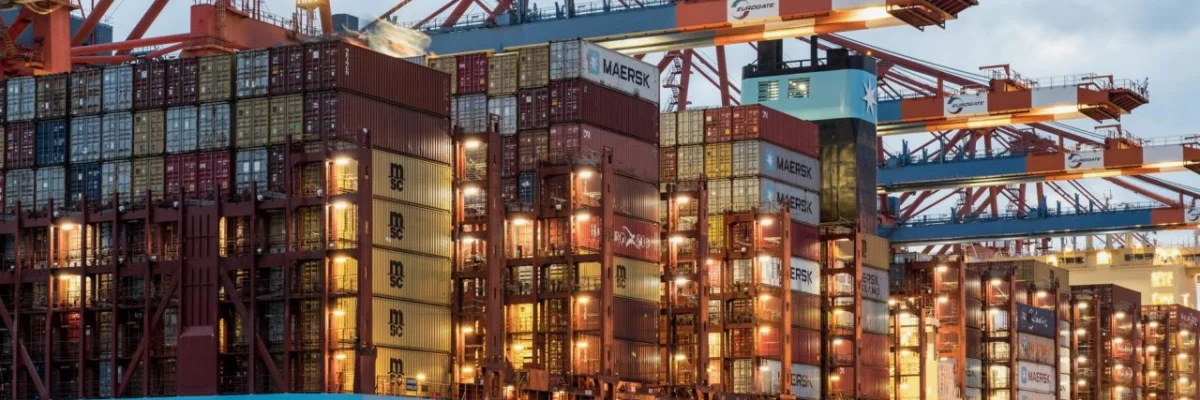
In the fast-paced world of global logistics, freight forwarding professionals face constant pressure to provide real-time visibility into complex supply chains. As businesses demand higher levels of transparency, manual tracking methods have become obsolete and inefficient. Modern software platforms now enable freight forwarders to bridge the gap between carriers and shippers by automating data flow and providing actionable insights. By leveraging cloud-based technology, forwarders can significantly reduce operational bottlenecks, improve client communication, and ensure that cargo moves smoothly across borders. Adopting digital tracking solutions is no longer just a competitive advantage but a fundamental requirement for long-term success in the industry.
Advancements in Digital Visibility
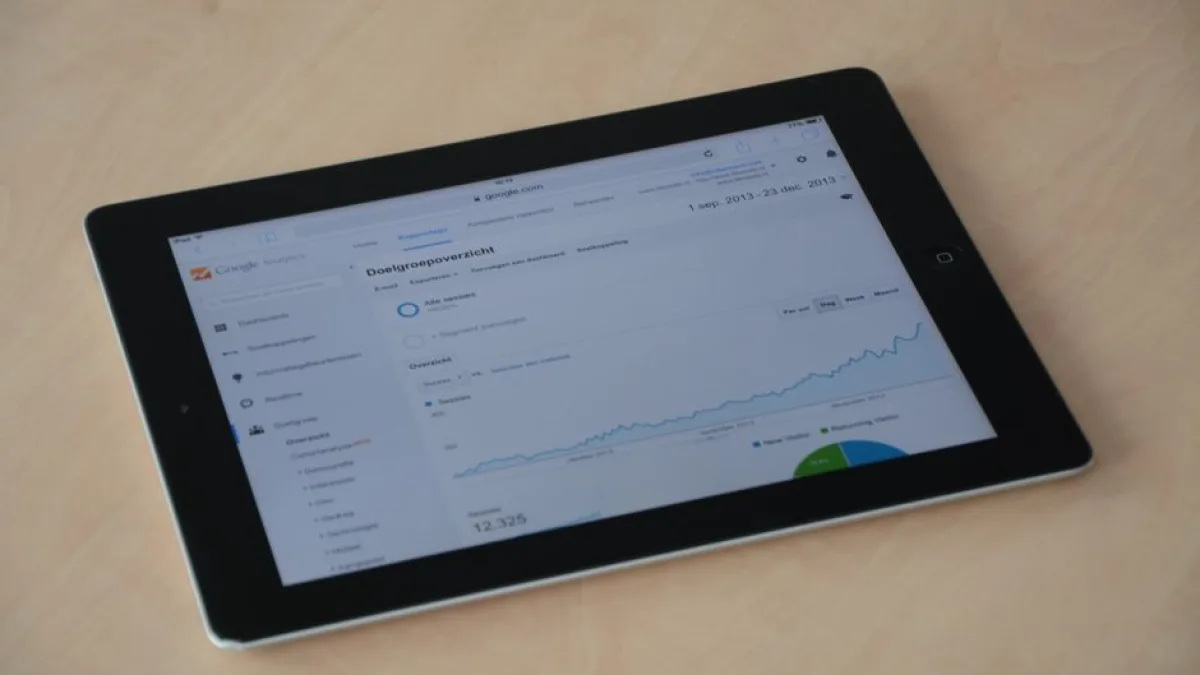
Advanced tracking tools provide an overview of container movements through integrated digital dashboards. These systems allow freight teams to monitor multiple shipments simultaneously, ensuring that every cargo journey is mapped against its planned schedule while highlighting any potential delays in real time.
- Automated status updates: Integration with carrier APIs ensures that milestone changes are updated instantly, allowing your team to focus on exception management rather than manual data entry or status checking.
- Improved data accuracy: By removing human involvement from basic data recording, you eliminate the risk of typos and inconsistent reporting which often plagues traditional spreadsheet-based logistics management systems daily.
- Client portal access: Providing customers with a branded tracking portal builds significant trust and reduces the volume of repetitive status inquiry emails hitting your customer service inbox weekly.
- Predictive delay warnings: Machine learning algorithms analyze historical port data to provide early alerts regarding congestion, allowing your operations team to proactively reroute shipments to avoid costly delays.
Digital visibility transforms how your agency interacts with clients by providing them with a self-service experience. When customers can check the status of their cargo whenever they need to, your staff gains valuable time to solve complex logistics challenges. This strategic shift from manual reporting to automated transparency fosters stronger partnerships and positions your company as a reliable leader within the logistics sector.
Managing Complex Multimodal Logistics
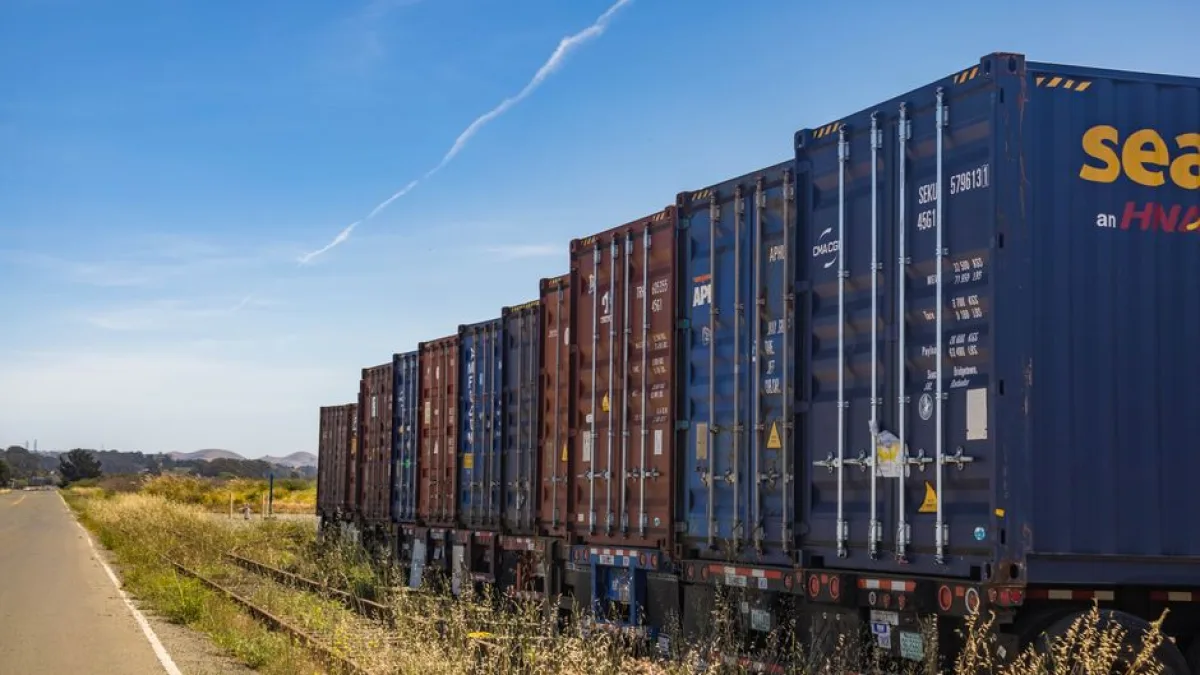
Multimodal shipping requires perfect synchronization across sea, land, and air transit modes to keep goods moving. Effective tracking software connects these disparate links into a single, cohesive view, preventing cargo from getting lost during complex intermodal transfers at busy terminals.
- Seamless handoff tracking: Track cargo across sea, rail, and road segments with ease, ensuring that every change in custody is recorded within the primary logistics management platform interface.
- Document integration layers: Attach essential shipping documents directly to the tracking record, making it easy for customs brokers and truck drivers to access critical files during transit.
- Customs clearance alerts: Receive automatic notifications when goods reach border crossings, helping your team coordinate with agents to prevent long-term storage fees or clearance document issues.
- Container utilization insights: Analyze how different carriers perform on specific lanes, helping your team make data-driven decisions when selecting partners for your future complex international freight projects.
Coordination across multiple modes of transport often serves as the biggest challenge for logistics professionals. By centralizing this data, your team can avoid the confusion that typically occurs when shifting from ocean freight to last-mile trucking. This unified perspective helps maintain the integrity of the supply chain, ensuring that even the most complicated international shipments arrive on time and within the specified budget.
Enhancing Proactive Client Communication
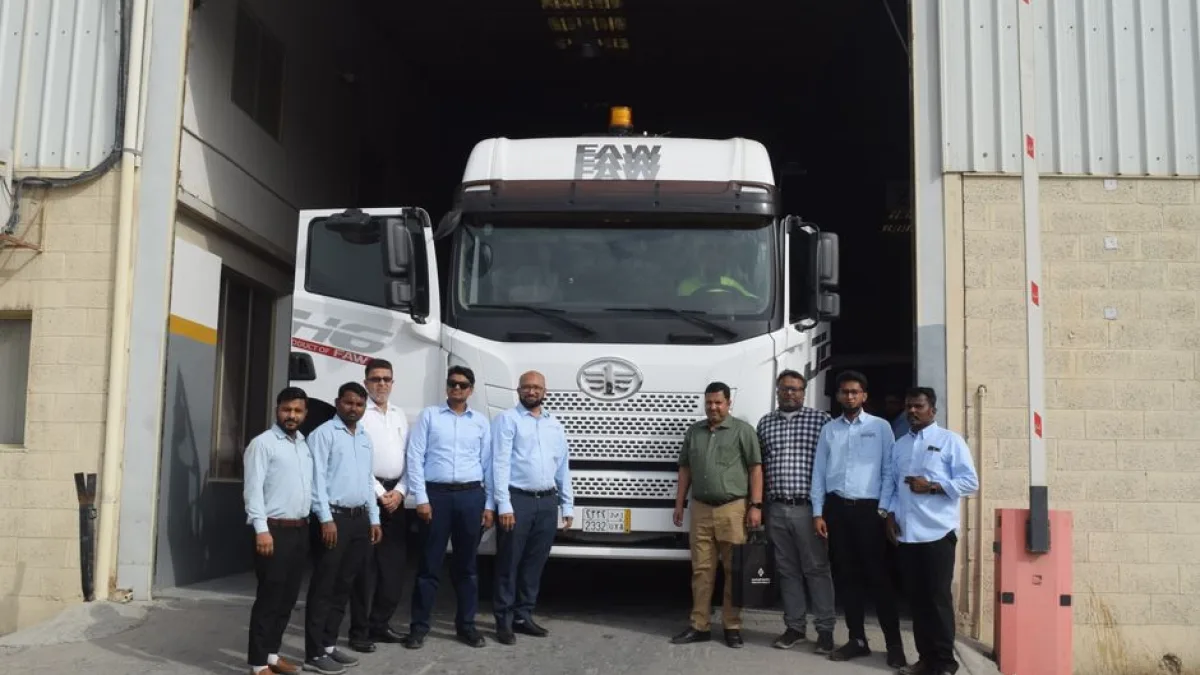
Proactive communication relies on timely data gathered from integrated shipping platforms. By notifying clients of potential issues before they escalate, freight forwarders add significant value to their service, turning routine shipping inquiries into opportunities for building long-term, high-value client relationships.
- Custom notification triggers: Set up automated alerts for specific milestones so that your clients receive personalized email notifications precisely when their shipment leaves or enters key ports.
- Reduced support overhead: Automated tracking responses significantly lower the burden on your administrative team, freeing them up to focus on growing your business through new accounts.
- Unified communication logs: Keep all shipment-related conversations and tracking updates in one place, ensuring that every team member has full context when addressing client support queries.
- Exception reporting tools: Generate clear reports for clients during periods of disruption, explaining exactly where their cargo is and what steps your team is taking currently.
When you anticipate problems before they become crises, your clients notice the difference in service quality. Keeping them informed through automated channels demonstrates a commitment to transparency and reliability. This professional approach turns a standard logistics transaction into a partnership, encouraging repeat business and referrals that are essential for long-term growth in the highly competitive global freight forwarding industry today.
Scaling Operations Through Automation
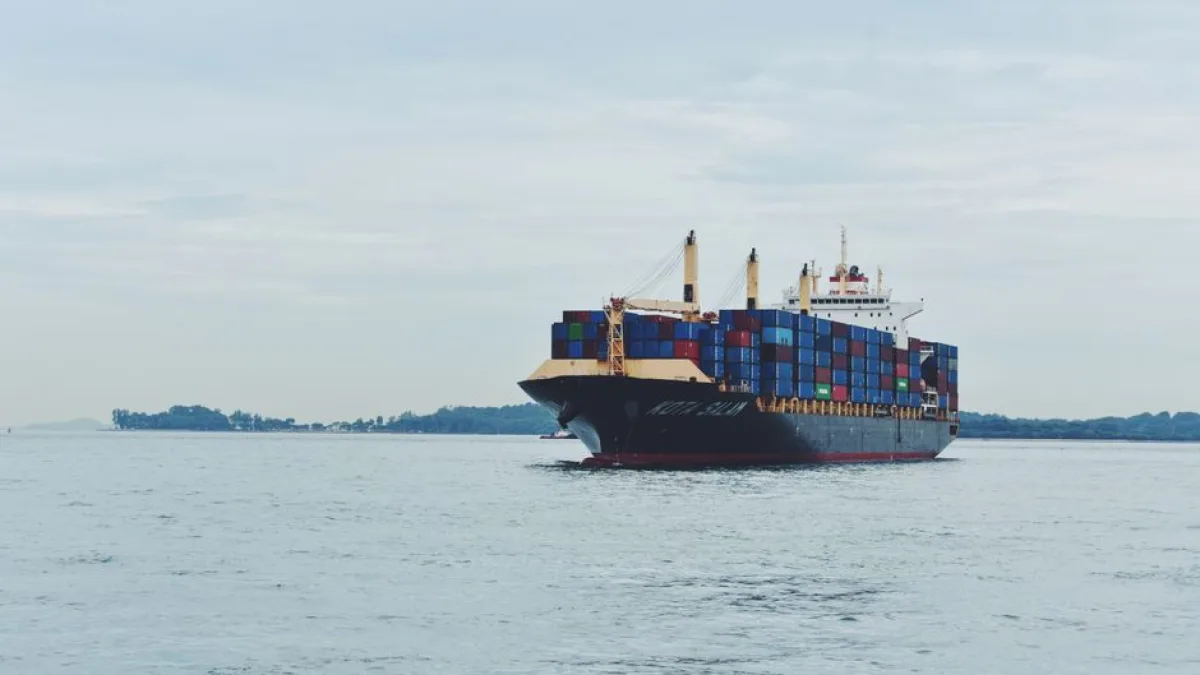
Automation is the cornerstone of scaling your freight forwarding agency without increasing your operational costs. Using software to handle repetitive tracking tasks allows your staff to manage a much larger volume of containers, significantly increasing your overall productivity and company revenue potential.
- Dynamic workflow automation: Configure your software to trigger specific tasks based on tracking events, ensuring that your team always knows exactly what action to take next.
- Scalable platform architecture: Our cloud-based system grows alongside your business, allowing you to add more users and clients without worrying about server capacity or performance degradation.
- Unified reporting suites: Access detailed analytics on your shipping volume and efficiency, helping leadership teams identify areas where operational speed can be improved for better performance.
- Integration with accounting: Automatically sync shipment arrival data with your invoicing system to ensure that billing is triggered immediately, improving your company cash flow status.
Scaling a business requires systems that work reliably without constant manual oversight from your management team. By automating the tracking lifecycle from origin to destination, you create a robust infrastructure capable of handling high volumes of trade. This operational efficiency not only boosts your bottom line but also creates a predictable, high-quality experience for every single customer you support throughout the year.
Conclusion

Effective freight tracking is a vital component of modern supply chain management that drives efficiency and improves customer satisfaction. By utilizing a robust, cloud-based platform to automate tracking processes, your team can eliminate manual errors, scale operations, and provide clear insights to stakeholders. Investing in these digital tools ensures your freight forwarding company stays ahead of the competition while delivering exceptional value to clients.