Optimizing Global Logistics Through Advanced Shipping and Tracking Systems
Friday, August 21 2026
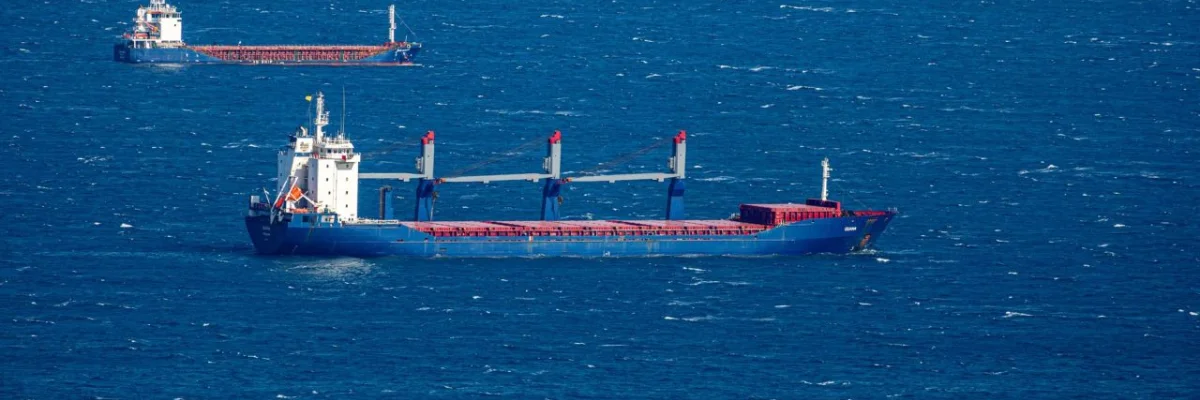
Modern freight forwarding is defined by speed, accuracy, and the ability to handle unpredictable global supply chain variables. As logistics providers face increasing demands for transparency, the shift toward cloud-based management platforms has become essential for staying competitive. Digital tracking is no longer just a luxury feature but a core requirement for building trust with shippers. By integrating real-time visibility tools into daily operations, forwarders can proactively manage exceptions and optimize delivery schedules. Adopting these advanced technologies ensures that your firm remains agile and responsive in an industry where every minute of transit visibility significantly impacts the bottom line.
Real-Time Visibility Benefits

Real-time data provides forwarders with the clarity needed to monitor cargo across complex international routes. By visualizing every touchpoint in the shipment lifecycle, logistics managers can mitigate potential delays before they escalate into costly problems for their international clients.
- Improved Customer Satisfaction: Clients appreciate receiving proactive updates regarding their shipment location without needing to contact your team directly for status inquiries during standard business hours throughout the week.
- Reduced Operational Costs: Automated tracking reduces the manual labor associated with status updates, allowing your skilled logistics staff to focus on high-value tasks that generate revenue for growth.
- Data Driven Decisions: Accessing granular shipment data allows managers to identify recurring bottlenecks in specific transit lanes and adjust carrier partnerships to improve overall supply chain efficiency.
- Proactive Exception Management: Immediate notifications regarding weather delays or port congestion enable your team to pivot operations quickly to ensure goods reach their final destination on time.
Implementing a comprehensive tracking solution transforms how your business interacts with partners and customers. When data flows seamlessly between systems, the risk of miscommunication drops significantly. You gain a birds eye view of the entire global movement, allowing for more precise planning and better resource allocation. This level of oversight is the primary driver for achieving long-term sustainability in the competitive freight forwarding sector today.
Automated Workflow Integration

Integrating tracking software directly into your core operating system creates a unified source of truth. Automation removes the friction of manual data entry, ensuring that shipping documentation stays synchronized with physical transit milestones for maximum operational control.
- Seamless Data Sync: Automatically pull status updates from carrier APIs directly into your dashboard to maintain accurate records without performing repetitive manual tasks on different legacy platforms.
- Error Rate Reduction: Eliminating manual input minimizes the risk of human error during documentation updates, preventing costly compliance issues and shipping delays for your valued client base.
- Faster Billing Cycles: Linking tracking milestones to invoicing triggers allows for immediate billing upon delivery, which significantly improves cash flow for your freight forwarding business operations.
- Unified Communication Hub: Centralize all tracking updates and correspondence within one platform so that team members can access current information regarding any active shipment at once.
Streamlined workflows are the backbone of a high performing logistics firm. By connecting tracking data to your billing and documentation modules, you create a seamless experience for your entire staff. This efficiency translates into faster document processing times and improved document accuracy. Ultimately, you are building an infrastructure that supports scalability while reducing the administrative burden that typically hinders rapid company growth.
Enhanced Carrier Coordination

Maintaining strong relationships with carriers depends on reliable data sharing and clear communication. Advanced tracking tools allow forwarders to hold carriers accountable while identifying performance trends that support smarter selection of logistics partners for future international shipments.
- Performance Benchmarking Tools: Analyze historical tracking data to compare carrier performance metrics, ensuring you always select the most reliable partners for your urgent or high value cargo.
- Shared Visibility Portals: Provide carriers with access to dedicated portals where they can update shipment statuses, reducing the need for back and forth email or phone.
- Contract Compliance Audits: Compare actual transit times against contract commitments to ensure your carriers are delivering the service quality that you and your clients are paying.
- Dispute Resolution Support: Maintain a digital audit trail of shipment movements and carrier interactions to easily resolve invoice disputes or cargo insurance claims with clear evidence.
Effective coordination creates a symbiotic relationship between forwarders and carriers. When both parties access the same tracking information, misunderstandings decrease, and collaborative problem solving becomes the norm. By leveraging these insights, you can negotiate better rates and service level agreements. This strategic approach to carrier management ensures your operations remain resilient, cost-effective, and highly reliable for all your shipping clients globally.
Building Digital Trust

Building digital trust with shippers is the ultimate goal for modern freight forwarders. Providing your clients with a transparent and secure portal for tracking their goods strengthens long-term business relationships and increases brand loyalty in the marketplace.
- Transparent Client Portals: Offer your clients self-service access to monitor their cargo in real-time, which significantly reduces the volume of status update inquiries reaching your desk.
- Secure Data Sharing: Protect sensitive shipping information through encrypted cloud portals that provide clients with controlled access to their specific cargo status and document history.
- Brand Differentiation Strategy: Distinguish your freight forwarding services from competitors by offering a superior digital user experience that showcases your commitment to technological investment and innovation.
- Feedback Loop Integration: Encourage clients to provide feedback on their shipping experience directly through your tracking platform to continuously improve your service delivery standards daily.
Trust is earned through consistent performance and clear communication. By deploying a robust tracking platform, you demonstrate a professional approach that aligns with the needs of modern logistics users. Clients value the transparency and ease of access provided by these tools. Consequently, they are more likely to return for future business, knowing they have full control over their international shipping process.
Conclusion
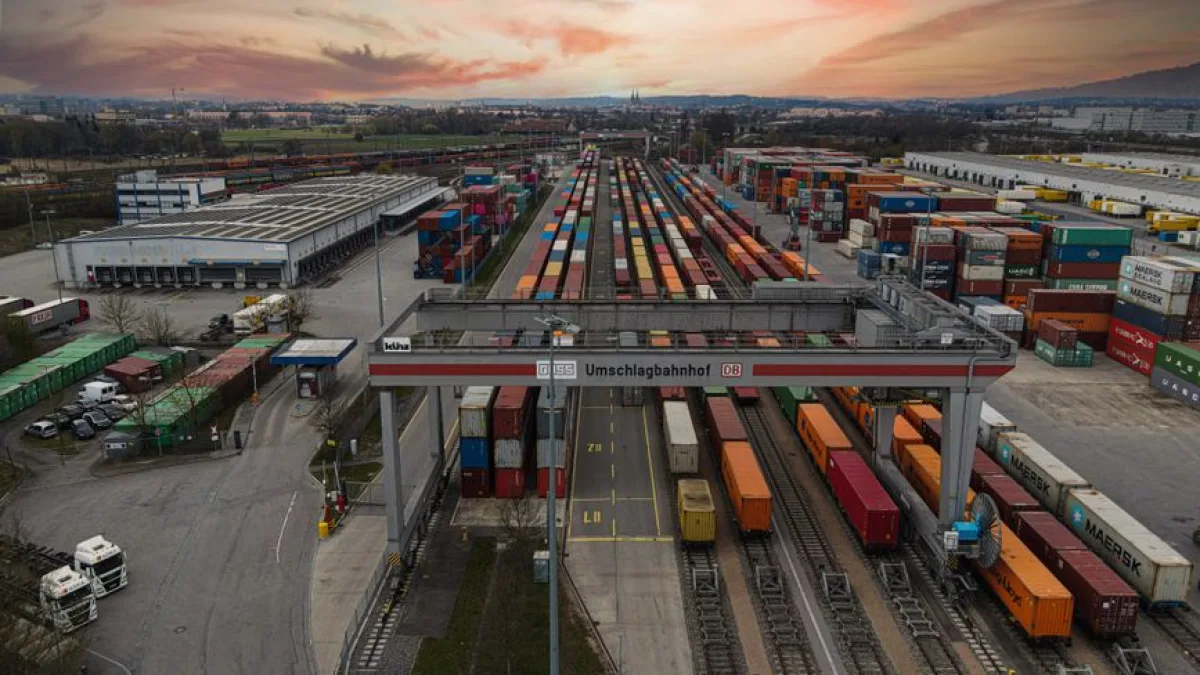
Mastering your shipping and tracking strategy is essential for any modern freight forwarder aiming to remain relevant. By prioritizing real-time data, automated workflows, and strong carrier partnerships, you create a robust foundation for success. Start transforming your operations today by choosing the right software solution. Your commitment to digital excellence will improve client satisfaction and streamline internal processes, driving sustainable growth in this industry.