Optimizing Global Logistics Through Advanced Shipping and Tracking
Friday, October 30 2026
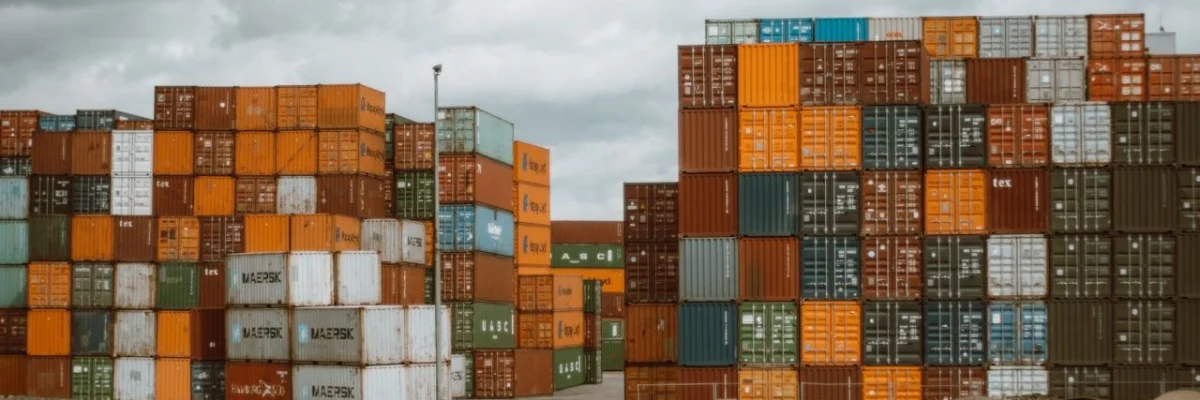
Modern freight forwarding requires precision and speed to remain competitive in a volatile global market. As supply chains become increasingly complex, professionals must leverage cloud-based platforms to maintain visibility over every shipment. By integrating real-time tracking with automated documentation, forwarders can proactively address delays before they impact the end client. The shift toward digitized logistics is no longer an optional upgrade but a core requirement for operational excellence. At MakeCargo, we prioritize providing the digital tools necessary to transform traditional workflows into seamless, data-driven experiences that empower your team to handle rising shipment volumes with confidence and total clarity.
The Power of Real-Time Visibility
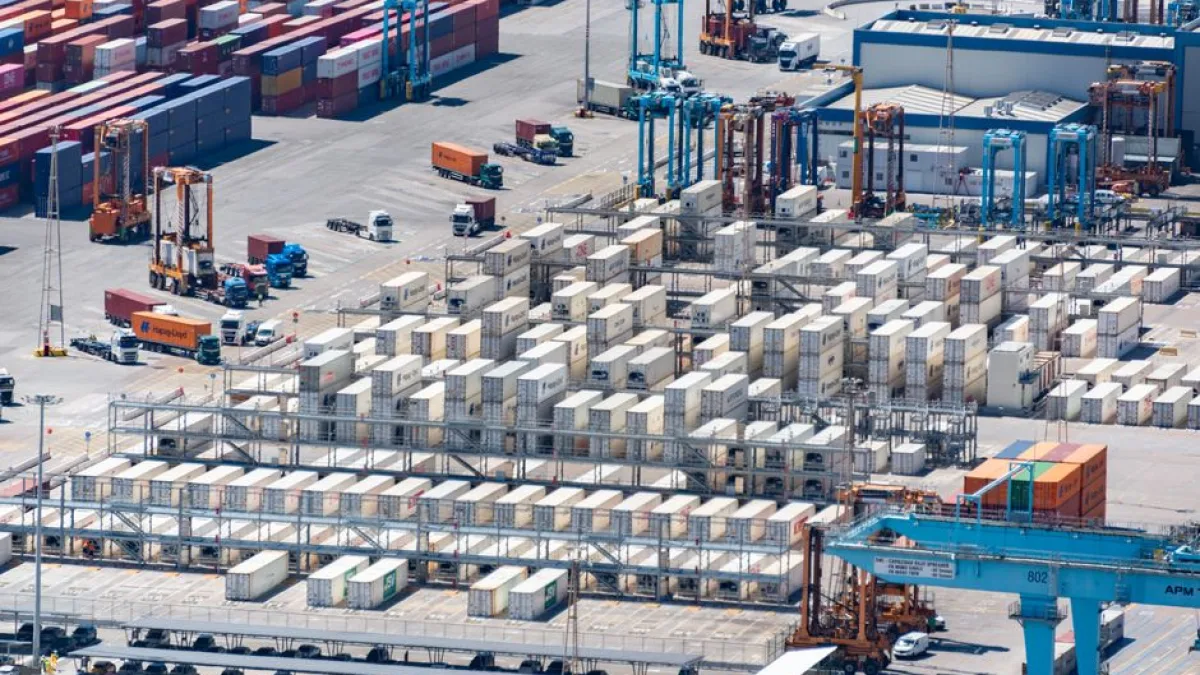
Real-time data transparency acts as the backbone of modern logistics operations. By tracking shipments from origin to destination, forwarders can provide accurate updates that foster trust, reduce customer anxiety, and enable faster decision-making when unexpected supply chain disruptions occur during the transit process.
- Automated Status Updates: Receive instant notifications regarding shipment milestones to keep clients informed without manual data entry. This reduces communication overhead while increasing transparency across your entire logistics network operations.
- Reduced Manual Tracking: Eliminate the need for repetitive status checks by leveraging integrated tracking systems that synchronize directly with carrier portals for seamless data flow throughout.
- Improved Client Satisfaction: Empower your customers with a branded portal that displays live shipment status, reducing inbound inquiry volumes and building long term loyalty with professional reporting.
- Data Driven Insights: Use historical tracking data to identify recurring bottlenecks or transit delays, allowing your firm to optimize future routing strategies and improve carrier performance metrics.
Achieving total visibility reduces the heavy burden on support staff and minimizes the risk of human error in status updates. When teams can access accurate, live information at any moment, they spend less time searching for answers and more time developing value for their clients. This shift creates a leaner, more agile forwarding operation capable of scaling effectively as business demands continue to grow.
Centralizing Data for Seamless Workflow

Fragmented communication channels often lead to costly mistakes and lost information within a forwarding business. Centralizing your shipment data within a single platform ensures that every stakeholder accesses the same truth, streamlining internal collaboration and improving overall output speed for complex projects.
- Unified Dashboard Views: Access every critical shipment detail from one centralized location to eliminate data silos and keep team members aligned on all project milestones and statuses.
- Cloud Based Accessibility: Enable your team to manage logistics operations from any location, ensuring business continuity even when employees work remotely or travel for client meetings.
- Integrated Document Management: Store all shipping documents, invoices, and customs forms in one secure area linked directly to specific tracking IDs for fast and easy retrieval.
- Enhanced Internal Collaboration: Facilitate better teamwork by using shared notes and internal tagging systems that keep everyone updated on the specific requirements for every single shipment.
Centralization acts as the catalyst for team productivity and operational efficiency. By stripping away the need to hunt through emails and disconnected spreadsheets, your staff gains the freedom to focus on high-impact tasks. This structured environment not only speeds up the daily workflow but also provides the data consistency required for accurate forecasting and long term strategic planning for your freight firm.
Proactive Management of Transit Disruptions

Disruptions are an unavoidable reality of international shipping, but how you handle them defines your professional reputation. Proactive management involves identifying potential delays early and communicating transparently with stakeholders, turning a negative incident into an opportunity to demonstrate your firm's reliability and expertise.
- Early Warning Systems: Utilize alert features that flag potential delays based on weather patterns, port congestion, or carrier updates to initiate contingency plans before issues escalate.
- Automated Contingency Planning: Develop predefined protocols that trigger automatically when a delay occurs, helping your team shift freight to alternative routes or carriers without unnecessary delays.
- Transparent Client Alerts: Send proactive notifications to clients regarding potential status changes, positioning your agency as a helpful partner rather than a reactive service provider today.
- Carrier Performance Tracking: Maintain detailed records of carrier reliability during disruptions to make informed decisions on which providers to use for future high priority cargo shipments.
Handling disruptions with grace requires both advanced technology and a robust communication strategy. By leveraging the tracking tools provided by a platform like MakeCargo, forwarders can maintain control even when external conditions shift unexpectedly. This level of preparation ensures that your clients stay informed and satisfied, preserving your agency reputation while securing long-term partnerships despite the inherent volatility of global freight transport.
Optimizing Operations for Future Growth

Scalability relies on building processes that work as effectively for ten shipments as they do for one thousand. By automating tracking workflows and standardizing data entry, freight forwarders can build a robust foundation that supports sustainable growth while maintaining the high service levels that clients expect from them.
- Workflow Automation Tools: Automate repetitive tasks such as tracking status updates or document generation to free up valuable human resources for more complex client relations work.
- Scalable Cloud Infrastructure: Select software solutions that grow with your company, offering additional modules and features as your freight forwarding volume and service complexity expand overtime.
- Standardized Data Entry: Implement uniform input methods across your organization to ensure high quality data that facilitates easier reporting, auditing, and overall performance analysis for management.
- Enhanced Customer Retention: Provide a professional, digital experience that keeps your services competitive against larger market players, ensuring your firm remains a top choice for shippers.
Building for the future requires choosing the right technology stack today. When you invest in a cloud platform, you are essentially purchasing time and accuracy for your entire staff. By removing the friction from standard tracking and documentation processes, you enable your business to handle larger volumes with ease, ultimately driving higher profit margins and setting your firm apart in a crowded industry.
Conclusion

Mastering shipping and tracking is essential for modern freight forwarders aiming for long term success. By utilizing cloud-based software, you can enhance visibility, streamline internal processes, and respond proactively to global disruptions. Leverage these tools to provide superior service, improve client retention, and scale your operations with confidence. Start optimizing your logistics workflow today with MakeCargo to stay ahead of the competition.