Optimizing Global Ocean Freight Operations in the Digital Age
Wednesday, July 22 2026
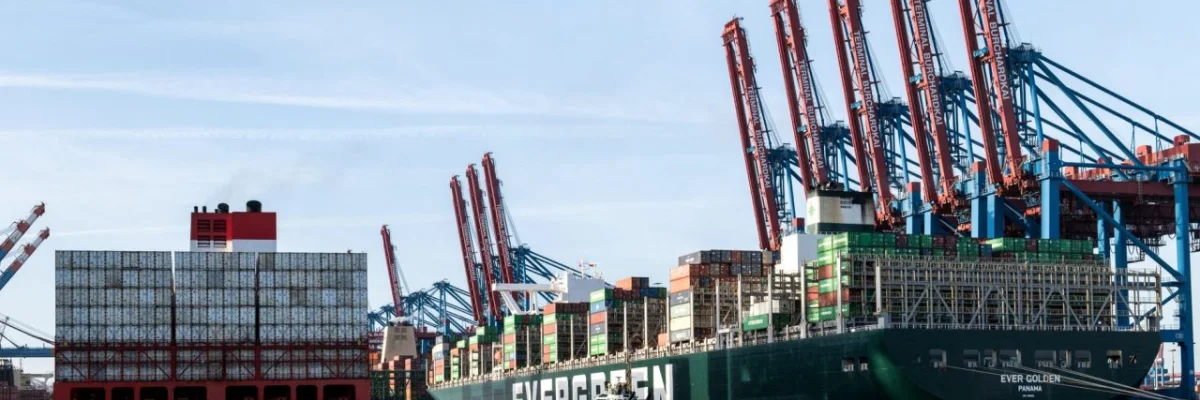
The global shipping landscape is undergoing a massive transformation driven by digitalization and shifting trade demands. Freight forwarders must now navigate complex supply chains while managing volatile vessel schedules and fluctuating costs. Staying competitive requires moving away from manual, spreadsheet-based processes toward integrated, cloud-native platforms that provide real-time visibility. By leveraging modern technology, logistics providers can enhance operational efficiency, reduce administrative overhead, and deliver superior customer service. As international trade continues to expand, those who prioritize digital transformation will be better positioned to overcome common industry challenges and capitalize on new growth opportunities in the interconnected global economy.
Modernizing Documentation Processes
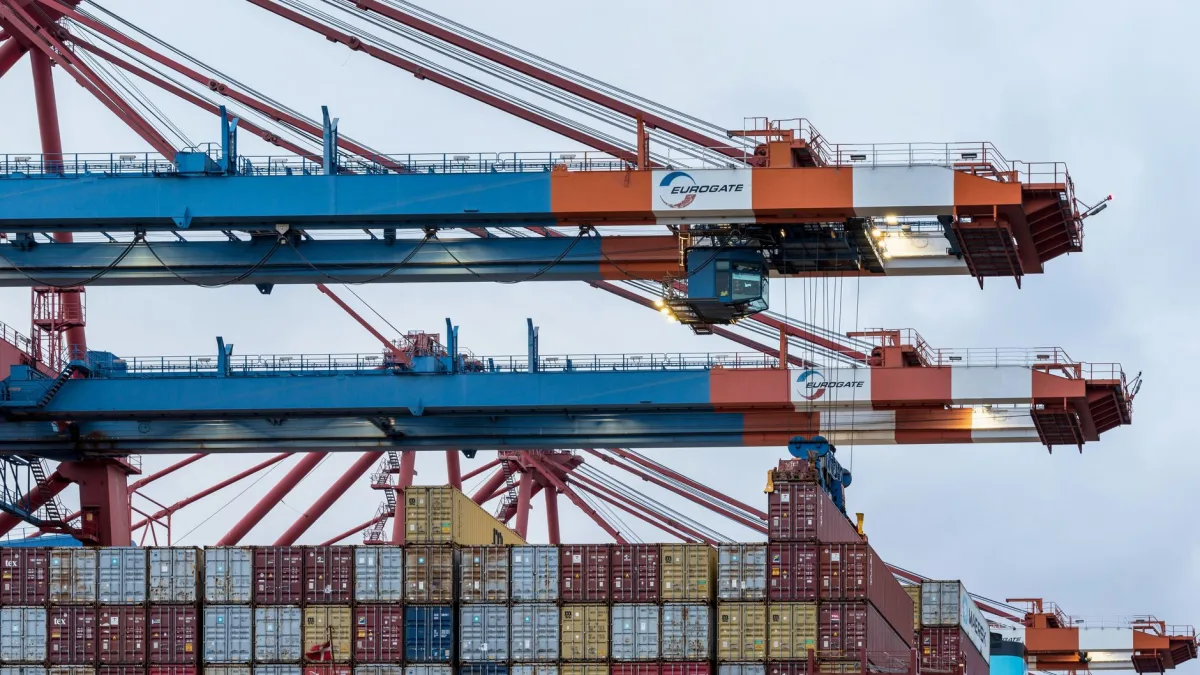
Digital transformation begins with the digitization of heavy paperwork and bill of lading workflows. Moving these tasks to a cloud environment eliminates redundancy and ensures that all stakeholders access the same data, significantly reducing the probability of costly human errors.
- Automated Data Entry: Implement intelligent software tools that extract data from shipping documents automatically to eliminate manual keying and speed up the processing time for all your import manifests.
- Centralized Document Storage: Maintain a secure cloud repository where every shipping document, invoice, and packing list is categorized for instant retrieval by authorized team members across the globe.
- Standardized Workflows: Establish uniform digital templates that guide your team through each step of the documentation process to ensure compliance with international maritime trade laws and regulations.
- Electronic Signatures: Adopt e-signature platforms that enable clients and partners to approve documents remotely, removing the need for physical courier services and shortening approval cycles for shippers.
Transitioning to paperless systems does more than save time on repetitive administrative duties. It transforms how your team interacts with critical shipping information, turning siloed files into actionable business intelligence. By automating document handling, you minimize the risk of compliance failures and late filing penalties. This shift allows your logistics experts to focus their energy on high-value tasks like rate negotiation and customer relationship management.
Real-Time Cargo Tracking

Providing customers with live updates on their cargo location is no longer optional in today's market. Integration with vessel GPS data enables logistics providers to offer proactive transparency that builds long-term trust and strengthens core client relationships.
- Vessel GPS Integration: Connect your internal freight software directly to maritime tracking APIs to ensure you receive automatic position updates for every active container in your network.
- Proactive Milestone Alerts: Configure automated notifications that trigger when a vessel arrives at port or departs from a terminal, keeping your customers informed without requiring manual status updates.
- Predictive Delay Analysis: Utilize advanced software algorithms that analyze port congestion levels and weather patterns to predict potential delays before they impact your scheduled delivery timelines significantly.
- Custom Dashboard Views: Offer clients a dedicated portal where they can visualize their entire shipment portfolio through an interactive map that simplifies complex multi-leg transportation routes.
Visibility serves as the backbone of modern freight forwarding services. When customers can see exactly where their goods are at any moment, anxiety decreases and satisfaction scores naturally rise. Effective tracking tools enable your operations team to manage exceptions effectively by identifying bottlenecks early. This proactive approach turns potential customer service nightmares into managed situations, solidifying your reputation as a reliable and transparent logistics partner.
Improving Carrier Collaboration

Collaborating with ocean carriers requires efficient communication channels that move beyond traditional email chains. A unified platform allows forwarders to manage multiple carrier relationships seamlessly, ensuring that space bookings and equipment allocations are handled with maximum speed and accuracy.
- Direct Carrier API: Establish direct software connections with major ocean carriers to facilitate instant rate inquiries and space booking requests without switching between different carrier websites daily.
- Performance Analytics: Track carrier reliability metrics such as on-time performance and billing accuracy to make data-driven decisions when selecting partners for your specific trade routes.
- Unified Communication Hub: Create a single messaging channel for each shipment where forwarders, carriers, and agents can discuss status updates and resolve issues in one place.
- Integrated Rate Management: Maintain an internal database of carrier contracts and spot rates to ensure your team always finds the most cost-effective and efficient shipping options.
Strengthening relationships with carriers is vital for navigating the cyclical nature of the ocean freight industry. When you streamline how your team interacts with shipping lines, you reduce friction and improve the accuracy of your service bookings. This organizational efficiency helps you secure better rates and prioritize space during peak shipping seasons, giving your freight forwarding business a distinct advantage over slower competitors.
Scaling Through Cloud Infrastructure

Cloud-based architecture provides the scalability required to support growth without massive capital investment in hardware. As your freight volume increases, a flexible software foundation grows with your business, allowing you to enter new markets and expand service offerings.
- Flexible Scalability Options: Utilize cloud services that allow you to expand user seats and data capacity quickly as your operations team grows during peak seasons or mergers.
- Multi-Office Synchronization: Ensure all branch offices are operating on the same software version and data set to maintain brand consistency and operational control worldwide simultaneously.
- High Security Standards: Benefit from enterprise-grade cybersecurity protections including automated data backups and multi-factor authentication that keep your sensitive client information safe from evolving digital threats.
- Remote Access Capability: Provide your employees with the tools needed to work securely from any location, facilitating global team collaboration and increasing overall employee job satisfaction.
Embracing the cloud represents a strategic commitment to long-term business health and agility. By removing the burdens of maintaining physical servers, your IT resources can focus on optimizing workflows that drive revenue. This modern infrastructure ensures that your team stays connected and efficient, regardless of where they are working. Investing in the right technology now builds the foundation for sustainable future expansion.
Conclusion
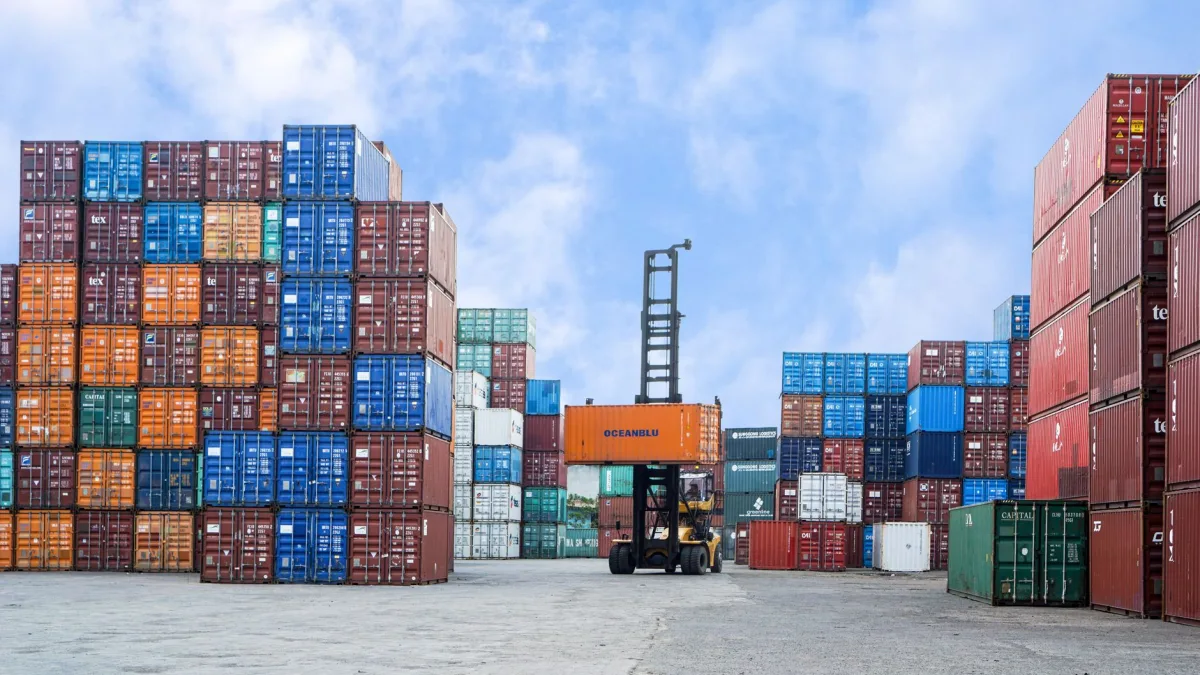
Modernizing ocean freight operations is essential for staying relevant in a fast-paced global logistics market. By prioritizing digital tools, your firm can improve transparency, increase operational efficiency, and provide exceptional customer service. Evaluate your current software stack and identify areas for automation today to prepare for the demands of tomorrow. Start your digital transition now to secure a lasting competitive edge in the industry.