Optimizing Global Ocean Freight Operations in a Digital Era
Thursday, September 24 2026

The landscape of global trade is shifting rapidly as supply chains become increasingly complex and data dependent. For freight forwarding professionals, the ability to manage ocean freight with precision and speed is no longer just a competitive advantage but a core requirement for survival. As port congestion and volatile shipping rates remain common challenges, companies must transition away from legacy spreadsheet systems toward integrated, cloud-based platforms. By centralizing documentation, shipment tracking, and carrier communication, forwarders can unlock significant operational efficiencies, reduce costly manual errors, and provide the transparent, real-time updates that modern shippers demand in today's fast-paced international logistics environment.
Digitizing Shipment Documentation
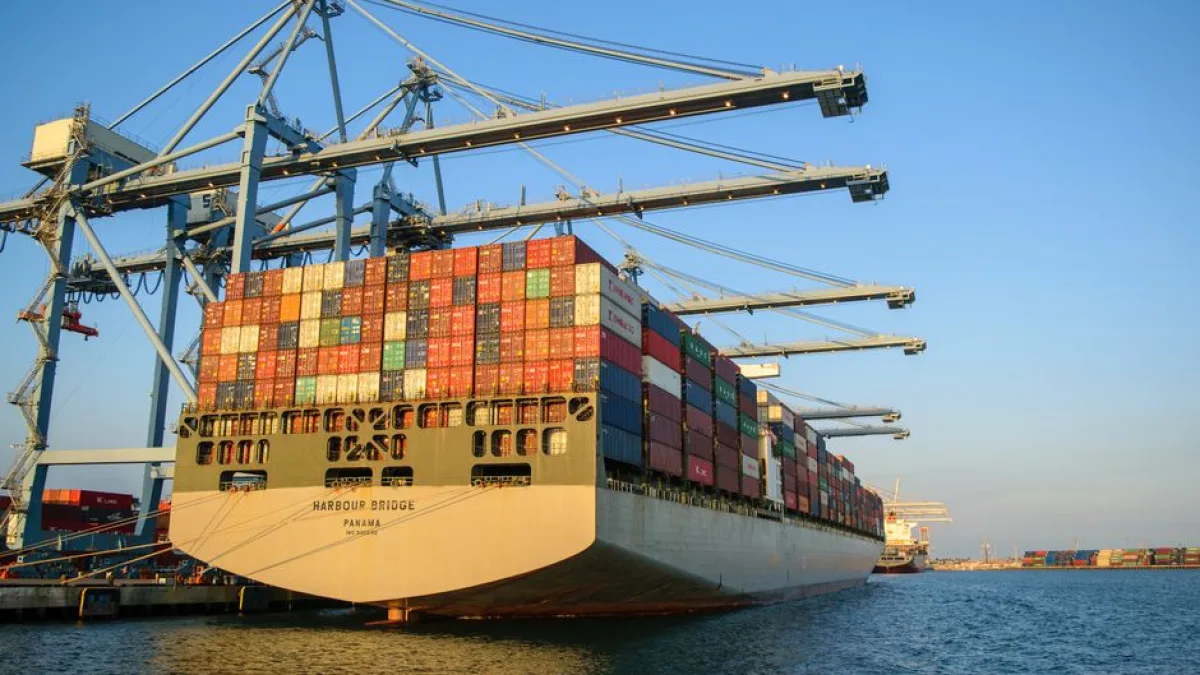
Transitioning from paper-based processes to digital documentation is critical for modernizing freight operations. By centralizing bills of lading, commercial invoices, and packing lists within a unified platform, forwarders can ensure that teams access accurate data and reduce time-consuming administrative manual entries.
- Automated Data Entry: Implement intelligent software tools that extract information from documents to reduce human error and speed up the processing of essential shipping paperwork for every booking.
- Centralized Document Storage: Maintain a secure cloud repository where all essential shipping records remain accessible to authorized team members and clients from any global office location.
- Regulatory Compliance Standards: Utilize automated systems to ensure all digital documents meet international customs requirements and trade regulations to avoid unexpected cargo delays at ports.
- Standardized Filing Systems: Create consistent naming conventions and structures for all electronic documents to improve team collaboration and allow for rapid retrieval of historical shipping files.
Adopting a digital-first strategy for documentation allows your team to move faster and react with greater agility to sudden market changes. When paperwork flows seamlessly between parties, the risk of bottlenecks at customs points decreases significantly. By removing the reliance on physical files, your organization fosters a more collaborative environment that empowers employees to focus on delivering high-value logistics services to your customers.
Real-Time Visibility Solutions
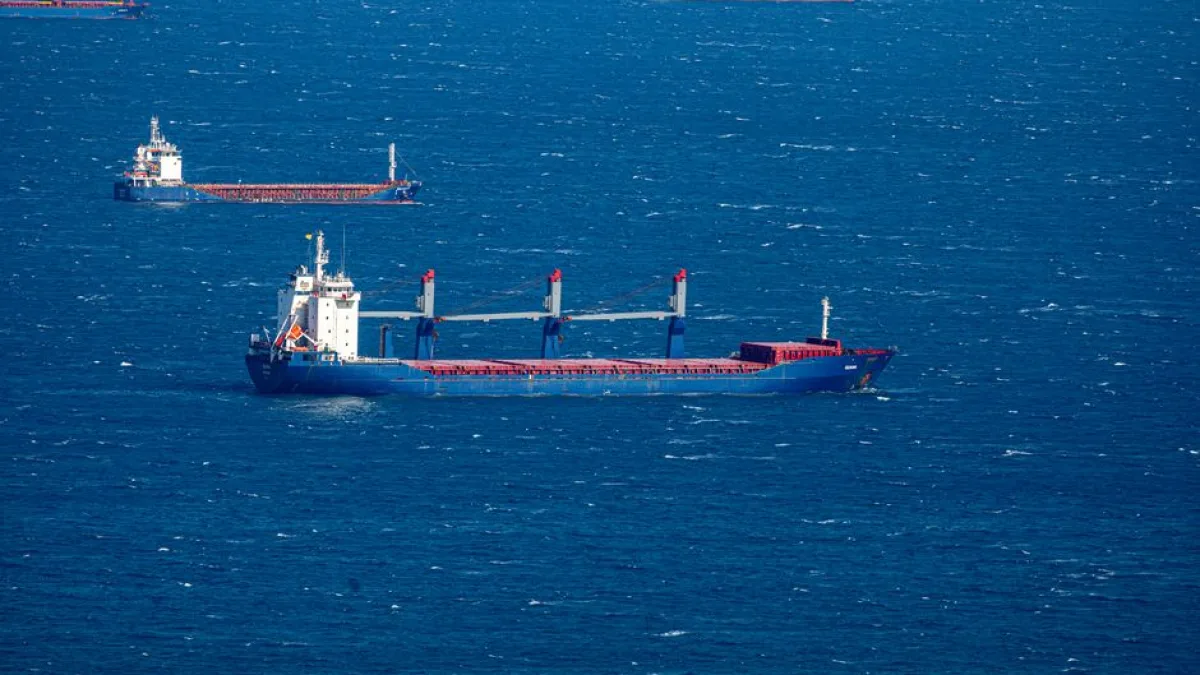
Achieving total transparency across the supply chain is essential for managing ocean freight successfully. Real-time tracking capabilities allow forwarders to monitor cargo status from origin to final destination, ensuring that proactive communication becomes the standard for every shipment handled.
- Live Vessel Tracking: Integrate advanced GPS tracking tools that provide constant location updates for ocean vessels to help you anticipate arrival times with far greater accuracy.
- Proactive Milestone Notifications: Set up automated alerts that notify both your internal operations team and your clients whenever a shipment reaches a major transit milestone.
- Exception Management Alerts: Receive instant notifications regarding vessel delays or port congestion issues, allowing your team to inform stakeholders immediately and offer alternative routing solutions quickly.
- Visual Dashboard Analytics: Deploy comprehensive dashboards that display all current ocean freight movements in a single view to help managers monitor global network performance daily.
Visibility serves as the backbone of customer satisfaction in the shipping industry. When you can provide accurate status updates at any moment, trust in your brand grows exponentially. Clients no longer need to call for information, which frees up your staff to handle more complex logistical tasks that drive growth. Embracing total visibility effectively turns data into a distinct, high-value asset.
Strategic Carrier Management
Maintaining strong relationships with ocean carriers is vital for securing competitive rates and reliable space allocation. Managing these partnerships effectively requires a data-driven approach that measures carrier performance against established service level agreements and historical delivery reliability metrics.
- Performance Benchmarking Reports: Use analytical tools to compare transit times and cost performance across different ocean carriers to inform your future procurement and booking decisions.
- Automated Booking Requests: Streamline the process of requesting space from carriers through integrated digital interfaces that reduce email back-and-forth and speed up confirmations.
- Dynamic Rate Management: Access and update current market rates in real-time to ensure your team is always quoting the most accurate prices to your valued customers.
- Reliability Scorecard Tracking: Maintain detailed records regarding carrier performance history to identify partners that consistently deliver goods on time without hidden surcharges or surprise delays.
Strategic carrier management ensures that you always have access to the shipping space you need at the best possible price. By leveraging data to influence your negotiations, you maintain control over your supply chain costs. Furthermore, having a clear understanding of carrier reliability enables you to route shipments with confidence, significantly reducing the likelihood of service failures that could damage your client relationships.
Scaling Through Cloud Technology

Scalability remains the ultimate goal for growing freight forwarding businesses. Cloud-based platforms provide the infrastructure needed to expand service offerings without increasing overhead costs, allowing your organization to remain flexible even when managing large volumes of ocean freight traffic.
- Flexible Cloud Infrastructure: Leverage scalable software that grows with your business needs, ensuring that your systems handle increased shipment volumes without compromising speed or system performance.
- Cross-Office Global Collaboration: Enable your international teams to collaborate in real-time on the same platform to ensure a seamless experience for your global client base.
- Seamless API Integrations: Connect your freight management system with other tools like accounting or customs software to create a unified and efficient digital ecosystem.
- Enhanced Data Security: Protect sensitive logistics information with robust cloud security protocols that ensure your operations remain resilient against cyber threats and unauthorized data access.
Cloud technology is no longer a luxury but a fundamental necessity for forwarders aiming to scale operations efficiently. By shifting your operations to the cloud, you eliminate the technical constraints that often limit growth. This transition allows your staff to work from anywhere while maintaining high levels of productivity, ultimately leading to a more robust, profitable business capable of thriving in any economic cycle.
Conclusion
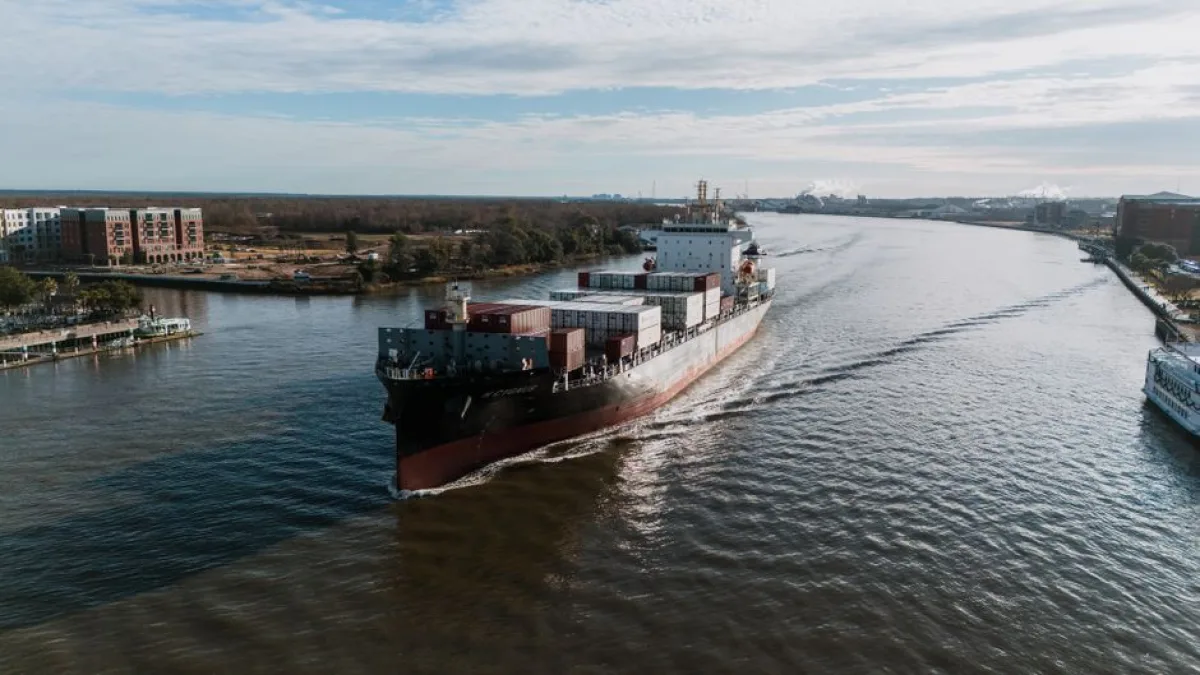
Modernizing your ocean freight operations is an essential step toward achieving long-term success in the competitive logistics sector. By prioritizing digital documentation, real-time visibility, and strong carrier partnerships, your business will be better positioned to handle the challenges of global trade. Start optimizing your workflows today to enhance operational efficiency and deliver superior service. Contact MakeCargo to learn how our software simplifies complex forwarding processes.