Optimizing Global Ocean Freight Operations in the Digital Age
Thursday, October 29 2026
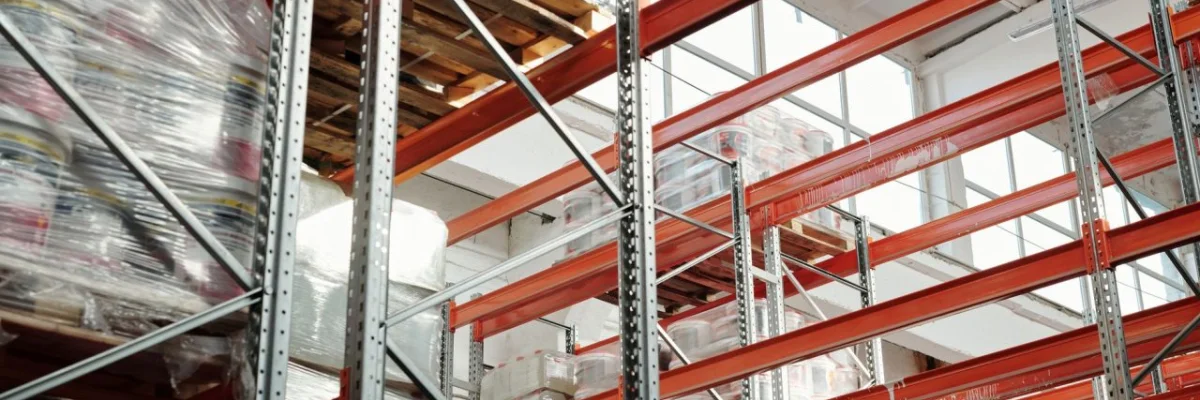
Modern ocean freight faces unprecedented volatility and operational complexity that challenges even the most established logistics providers. As global supply chains become increasingly interconnected, the pressure to maintain visibility, ensure cost efficiency, and manage carrier relationships has never been greater. Forwarders who rely on manual tracking and fragmented spreadsheets often struggle to keep pace with real-time data requirements and customer expectations. By integrating cloud-based software solutions, professionals can transform these logistical hurdles into competitive advantages. This evolution in maritime shipping requires a strategic shift toward data-driven decision-making, allowing teams to focus on high-value client interactions rather than administrative maintenance tasks.
Mastering Carrier Capacity Management
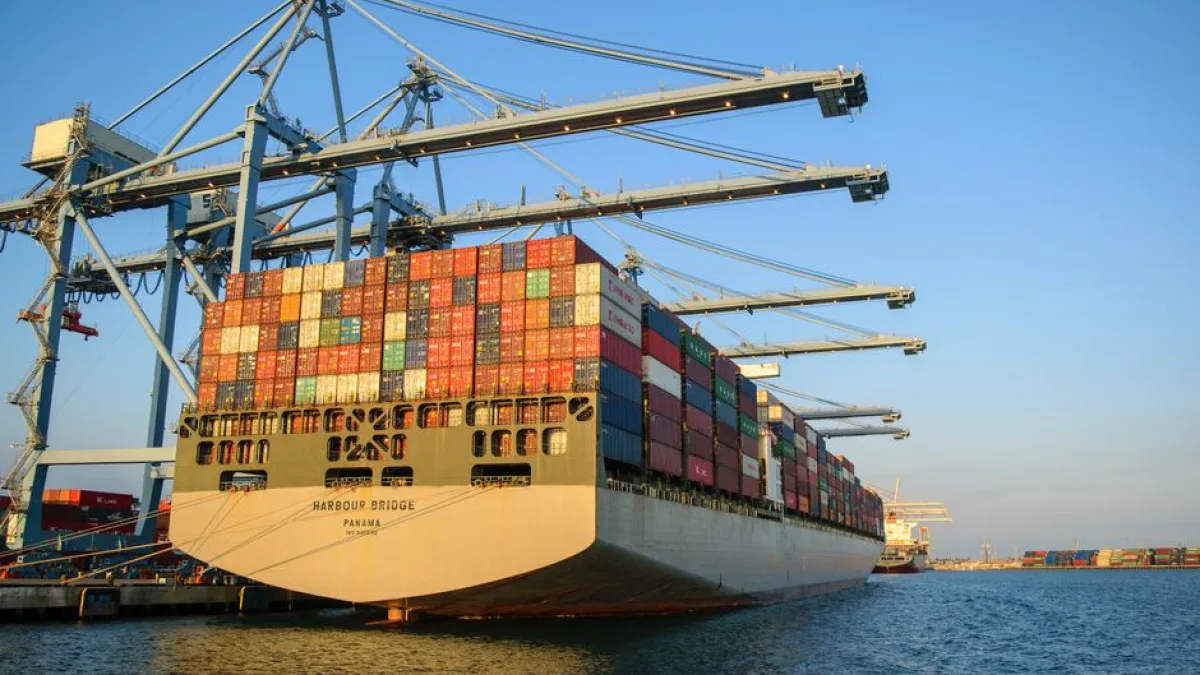
Efficiently managing carrier capacity is the backbone of successful ocean freight logistics. By leveraging real-time data, forwarders can identify available vessel space and negotiate better rates. This proactive approach minimizes empty containers and ensures that shipments move through terminals without delays.
- Strategic Route Planning: Effective route planning helps logistics coordinators select the most reliable carriers while optimizing for transit time and cost factors to ensure consistent performance for every shipment.
- Capacity Forecasting Tools: Utilizing advanced forecasting modules allows companies to predict market fluctuations and secure necessary vessel space well in advance of peak seasons for their various global clients.
- Real-time Vessel Tracking: Implementing tracking software provides instant visibility into vessel positions, allowing teams to address potential delays immediately and keep customers informed throughout the entire ocean journey.
- Dynamic Rate Management: Managing complex pricing structures requires automated tools that update rates instantly, ensuring that forwarders always provide accurate quotes based on current carrier market conditions today.
Optimizing capacity is not merely about finding space but about creating a resilient network that withstands global disruptions. Forwarders who prioritize data-backed route selection significantly reduce their exposure to port congestion and sudden schedule changes. By investing in these automated management systems today, your company secures a reliable foundation that supports growth, improves overall profitability, and enhances your service reputation across the international shipping industry.
Enhancing Port and Terminal Visibility
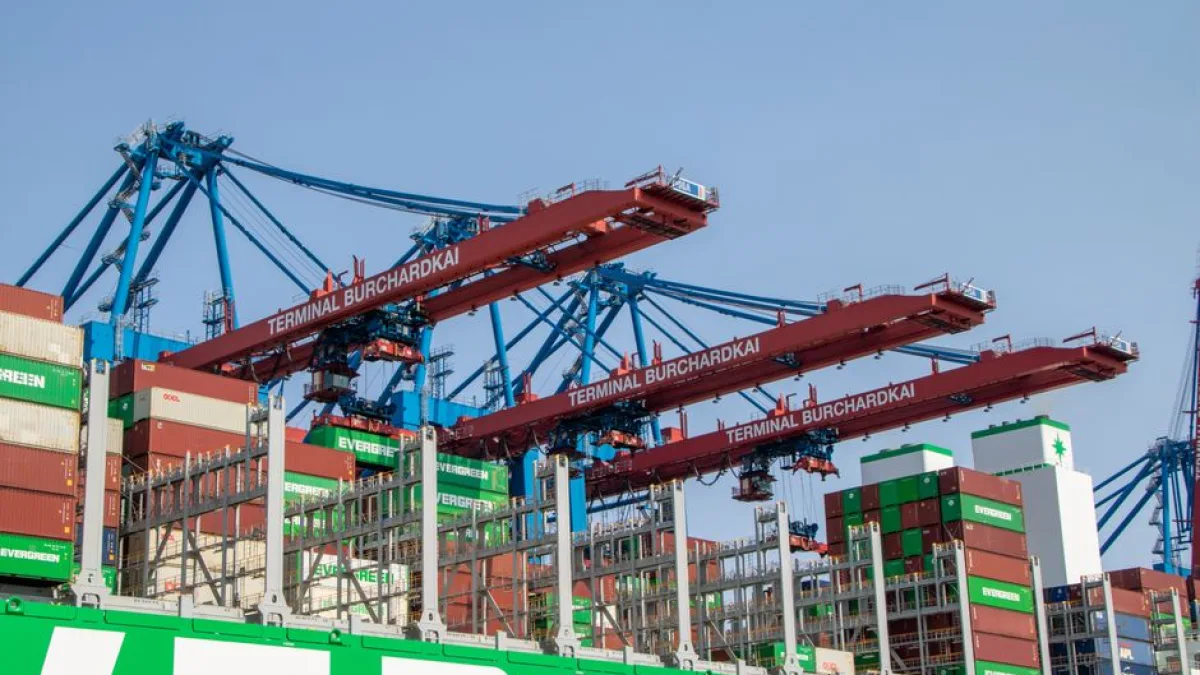
Navigating port congestion requires precise visibility into terminal operations and status updates. When logistics professionals monitor dwell times and equipment availability at specific berths, they can reroute shipments or adjust expectations for downstream partners to prevent costly bottlenecks.
- Automated Port Updates: Receiving real-time notifications regarding port status helps staff take immediate corrective actions when congestion threatens to delay arrival times for critical high-priority ocean cargo shipments.
- Terminal Efficiency Monitoring: Keeping a close eye on individual terminal performance metrics enables forwarders to choose better entry points for their cargo and avoid heavily congested shipping zones.
- Equipment Availability Tracking: Monitoring the availability of chassis and empty containers ensures that drayage operations proceed smoothly, preventing unnecessary waiting fees at major international shipping hubs daily.
- Proactive Delay Mitigation: Early warning systems detect potential port delays before they become severe, empowering logistics teams to implement contingency plans that protect the interests of every shipper.
Achieving total terminal transparency is a vital component of modern freight forwarding success. When teams understand the conditions on the ground, they can communicate effectively with clients regarding arrival times and local challenges. This level of clarity fosters trust and demonstrates professional reliability, which is essential for retaining long-term business in a competitive global market that demands constant, accurate information for stakeholders.
Automating Essential Documentation Workflows

The burden of manual paperwork slows down international trade and increases the risk of costly administrative errors. Automating documentation, such as Bills of Lading and commercial invoices, saves time and ensures compliance with international maritime regulations across diverse jurisdictions globally.
- Centralized Document Storage: Keeping all shipping documents in a single secure cloud environment allows authorized team members to access critical information quickly without searching through physical filing cabinets.
- Template Based Processing: Standardizing document creation with custom templates ensures consistency and reduces the chance of human error when processing complex international shipments for your diverse client base.
- Compliance Error Checking: Automated verification tools scan documents for missing details or inconsistencies, ensuring that every shipment meets strict regulatory requirements before reaching the intended border checkpoint.
- Digital Signature Integration: Implementing electronic signature capabilities allows for the rapid approval of documents, eliminating the need for slow courier services or manual handling of physical shipping paperwork.
Transitioning to digital documentation workflows represents the single most significant efficiency gain for freight forwarders. By removing the manual labor associated with traditional paper processes, teams can allocate their time to strategic activities that improve customer service. This digital transformation simplifies the entire shipping process, ensuring that critical documents reach the right authorities and stakeholders exactly when they are required for clearance.
Building Stronger Shipper Relationships

Building strong relationships with shippers requires transparency, reliability, and excellent communication at every step of the freight process. When forwarders use technology to provide instant updates, they establish themselves as trusted advisors rather than simple service providers in the supply chain.
- Transparent Client Portals: Providing shippers with access to a dedicated online portal allows them to track their own cargo in real-time, reducing the volume of status inquiries.
- Customised Reporting Tools: Creating detailed performance reports helps clients understand their supply chain trends, enabling collaborative discussions that focus on long-term efficiency and future cost savings goals.
- Instant Notification Alerts: Automated systems send proactive alerts to shippers whenever key milestones are reached, ensuring that they are always aware of their cargo progress without manual effort.
- Responsive Support Infrastructure: Utilizing a robust customer management system ensures that every inquiry is logged and addressed promptly, maintaining high service standards for your most important shipping clients.
Developing long-term partnerships in the ocean freight sector relies on consistent communication and proven operational performance. By leveraging modern technology to provide superior visibility and support, forwarders differentiate their services from low-cost competitors. This focus on the client experience builds loyalty and encourages repeat business, proving that software is not just a tool but a fundamental driver of sustainable logistics success.
Conclusion

Successfully navigating the complexities of ocean freight requires a combination of smart technology and strategic planning. By automating manual workflows, improving terminal visibility, and strengthening client relationships, forwarders can thrive despite industry volatility. Embrace these digital advancements now to streamline your operations and provide unmatched value to your shippers. The future of global logistics belongs to those who prioritize innovation and operational excellence today.