Optimizing Global Shipping and Tracking for Modern Freight Forwarders
Saturday, October 10 2026

Modern freight forwarding relies on the seamless integration of digital tools to manage complex supply chains. As global trade volumes fluctuate, forwarders must prioritize real-time visibility to maintain competitive advantages. Moving beyond manual spreadsheets allows teams to centralize documentation, automate status updates, and proactively address logistical bottlenecks before they escalate. By embracing cloud-based logistics technology, businesses can significantly reduce communication gaps with their customers and partners. This transformation is not just about adopting new software but about fundamentally shifting how data is processed, shared, and utilized to ensure that every shipment reaches its destination safely and on time.
The Impact of Real-Time Visibility
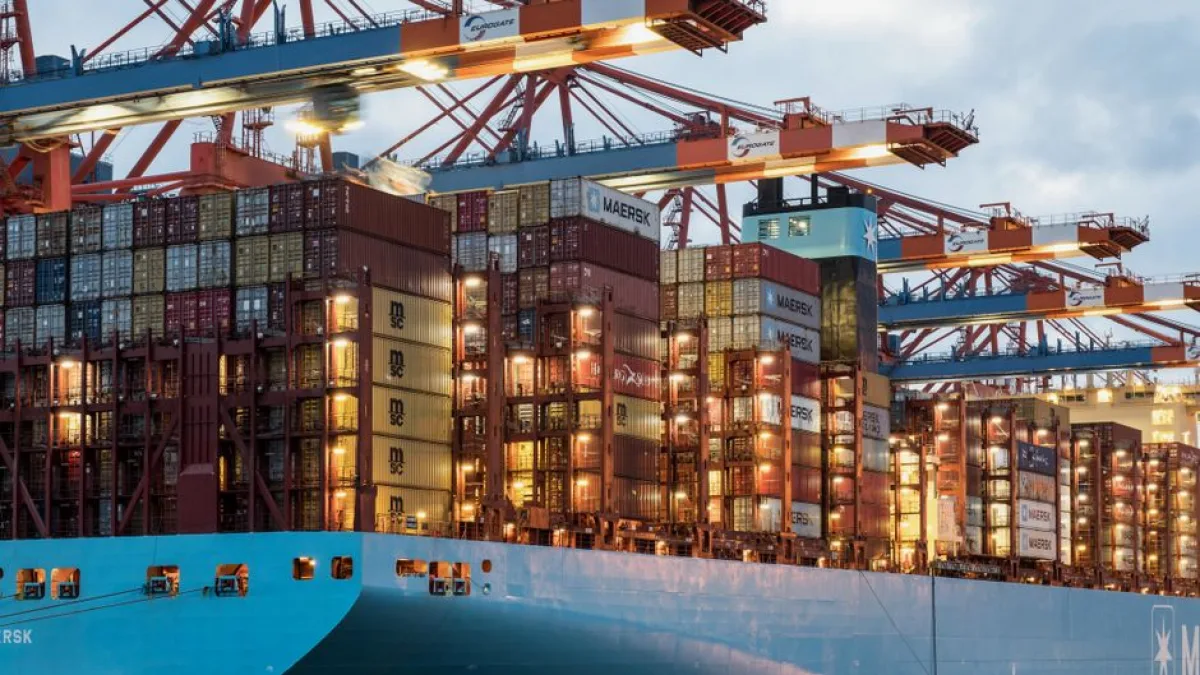
Real-time data transparency transforms how forwarders handle international shipments by providing constant location updates. This visibility reduces the frequency of manual inquiries from clients, allowing your team to focus on strategic operations rather than answering repetitive status questions daily.
- Enhanced Customer Trust: Providing clients with accurate, instant tracking data builds long-term reliability and positions your agency as a transparent partner that values clear communication throughout the shipping cycle.
- Proactive Issue Resolution: Immediate access to vessel location data allows forwarders to identify potential delays early and implement contingency plans before cargo becomes stranded at congested ports.
- Automated Client Alerts: System-generated notifications keep customers informed of every milestone, ensuring that stakeholders remain updated without requiring manual intervention from your internal logistics coordination staff.
- Operational Efficiency Gains: Reducing the time spent searching for shipment updates frees up valuable hours for your team to focus on business development and client acquisition efforts.
- Data-Driven Decision Making: Aggregated tracking logs provide actionable insights into carrier performance, helping you negotiate better rates and choose more reliable shipping partners for future bookings.
Adopting automated visibility tools is the primary driver of operational excellence in the modern freight industry. By removing the burden of manual tracking, you empower your staff to handle more shipments with higher accuracy. Customers expect instant information access, and meeting this demand is critical for retaining business. Investing in the right technology ensures your logistics operations remain agile and highly scalable for years.
Managing Documentation Digitally

Transitioning from physical paperwork to digital document management minimizes errors and ensures compliance across international borders. Digital storage allows for instant retrieval of bills of lading and customs declarations, which significantly speeds up the clearance process for all parties.
- Centralized Document Repository: Storing all shipping documents in one secure cloud location ensures that your team can access vital files from anywhere without searching through physical filing cabinets.
- Error Rate Reduction: Automated data validation tools flag inconsistent information before submission, preventing costly customs penalties and avoiding shipment holds caused by simple clerical entry mistakes during processing.
- Instant Secure Sharing: Digital document portals enable instant file transfers between agents, carriers, and customs brokers, drastically reducing the turnaround time for required signatures and official stamps.
- Compliance Tracking Features: Built-in notification systems alert staff regarding expiring certifications or upcoming regulatory changes, keeping your business fully compliant with evolving international trade laws and safety standards.
- Historical Data Analysis: Maintaining a digital archive enables quick audits of past shipments, helping to identify recurring issues and improve future documentation accuracy for repeat logistics projects.
Digital documentation is a cornerstone of modern freight forwarding success. By digitizing your files, you create a streamlined environment where collaboration is effortless and information is always accurate. This shift prevents the common pitfalls of lost paperwork and delayed communication. Investing in a robust cloud platform ensures that your operations remain resilient, compliant, and ready to scale alongside your growing customer base.
Streamlining Carrier Coordination

Effective communication between forwarders and carriers is essential for seamless transportation. Digital platforms foster a synchronized workflow that keeps everyone on the same page, regardless of time zones or language barriers, ensuring that schedules remain perfectly aligned throughout transit.
- Integrated Communication Channels: Dedicated messaging modules within your software consolidate all carrier correspondence, eliminating the risk of lost emails and ensuring a complete audit trail for operations.
- Centralized Rate Management: Accessing updated carrier rates in a single interface allows forwarders to compare options quickly and select the most cost-effective and efficient shipping routes daily.
- Seamless Booking Workflows: Standardized booking forms submitted via digital portals ensure that all necessary information is captured upfront, reducing back-and-forth communication regarding incomplete or incorrect shipment details.
- Performance Metric Tracking: Monitoring carrier transit times and reliability scores within your software helps you make informed choices, ensuring you work only with the most dependable logistics partners.
- Automated Milestone Confirmation: Immediate system updates for pickups and deliveries keep all stakeholders informed, ensuring the supply chain moves forward without unnecessary halts or communication lapses.
Coordination requires a blend of technology and professional intuition to succeed in global logistics. By integrating carrier communication into your software platform, you eliminate the fragmentation that often plagues international shipments. This connectivity fosters stronger relationships with carriers and provides your clients with a superior service experience. Consistent coordination efforts eventually lead to smoother operations and fewer unexpected surprises during the transport process.
Leveraging Analytics for Strategy

Advanced analytics allow forwarders to transform raw tracking data into actionable intelligence. By analyzing trends, your business can predict market changes, optimize route planning, and improve overall profitability by identifying areas where cost reductions can be achieved without compromising quality of service.
- Performance Trend Analysis: Analyzing historical shipping data helps identify seasonal patterns or bottlenecks, allowing your team to plan ahead and allocate resources more effectively during high-volume periods.
- Profitability Insights: Detailed reports on cost per shipment allow forwarders to identify thin margins, enabling data-backed price adjustments that protect your bottom line while maintaining client satisfaction.
- Client Behavior Forecasting: Tracking the shipping frequency and destination patterns of your customers helps you anticipate their needs and offer tailored logistics solutions before they even ask.
- Resource Allocation Optimization: Insightful metrics regarding staff productivity reveal which tasks require the most time, guiding your team to automate inefficient manual processes for maximum output.
- Market Strategy Development: Using macro-level shipping data allows your agency to target growing trade lanes and expand services where demand for logistics support is currently spiking globally.
Data analytics turn the vast amount of information collected during shipping into a powerful competitive advantage. Forwarders who utilize these insights can make smarter, faster decisions that positively impact their financial performance. Moving toward a data-centric culture ensures your agency stays ahead of the competition. Start leveraging your tracking logs today to build a stronger and more profitable logistics future for everyone.
Conclusion

Mastering global shipping and tracking is essential for forwarders who want to excel in a demanding market. By integrating cloud technology, digitizing documentation, and using analytics, your agency can improve efficiency and client trust. Implement these strategies today to modernize your workflow. Visit the MakeCargo platform to discover how our software helps freight forwarders streamline complex operations and drive business growth immediately.