Optimizing Logistics Operations for Modern Freight Forwarders
Saturday, October 10 2026
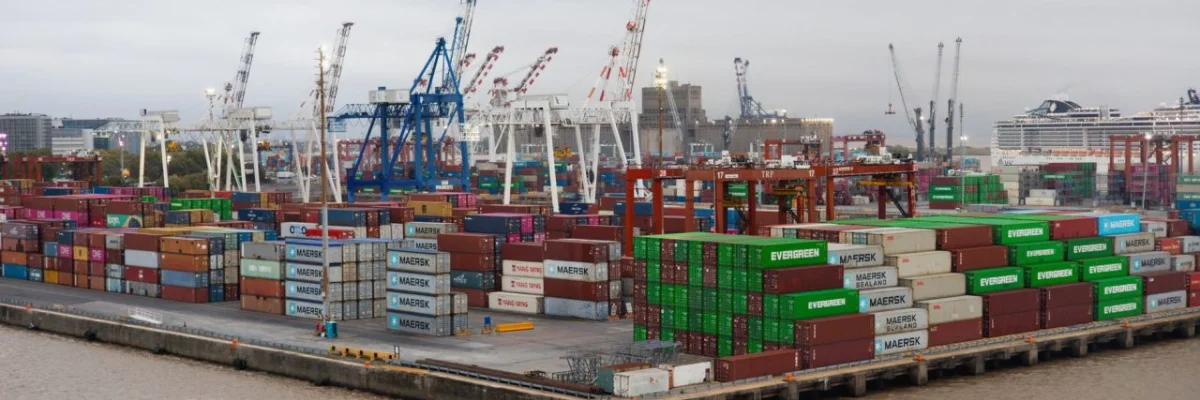
The global supply chain landscape evolves rapidly, demanding that freight forwarders leverage advanced technology to maintain a competitive edge. Manual processes and siloed data often lead to costly delays, errors, and diminished customer trust. By integrating cloud-based platforms like MakeCargo, forwarders can synchronize their operations, enhance visibility, and provide real-time updates to their clients. This proactive approach transforms logistical challenges into strategic opportunities for growth. Embracing digital transformation is no longer a luxury but a fundamental necessity for firms aiming to scale efficiently while delivering superior service in an increasingly complex and interconnected international trade environment.
Leveraging Digital Automation
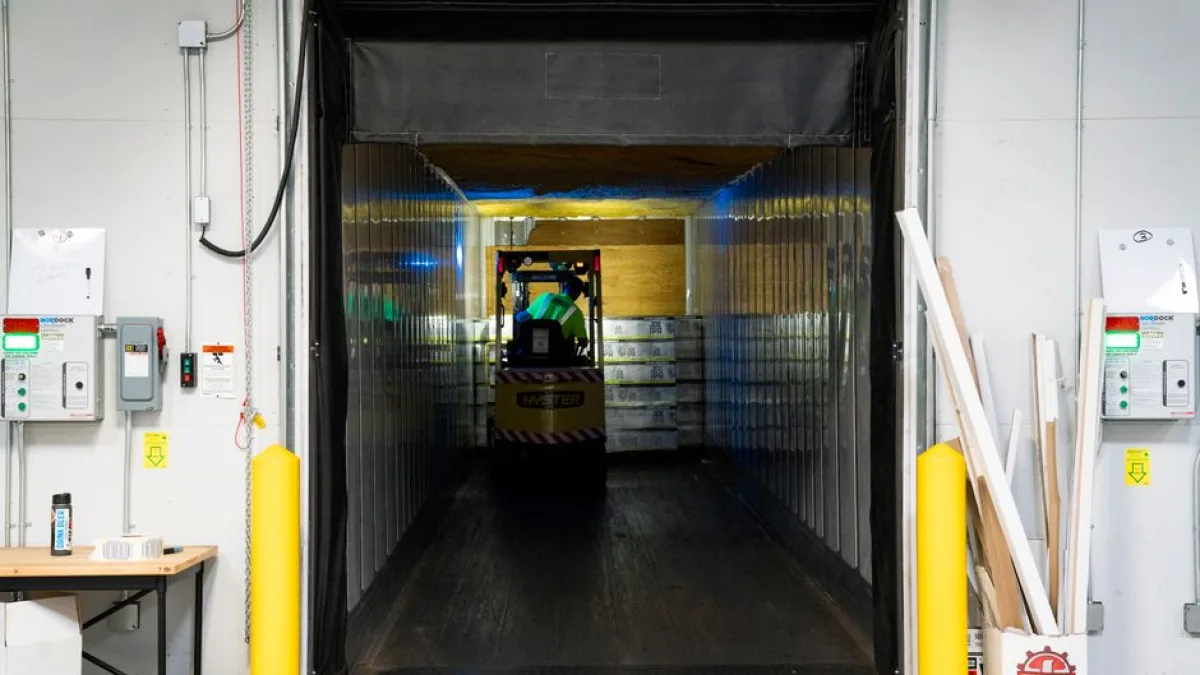
Digital automation acts as the backbone for modern shipping operations, reducing the reliance on repetitive manual data entry. By automating routine documentation, teams can focus on higher value tasks that require human intuition and critical problem solving skills during transit.
- Eliminate manual errors: Automating documentation processes ensures that critical shipping details remain accurate, preventing costly fines and delays that frequently occur when information is entered into spreadsheets by hand.
- Boost operational speed: Digital workflows accelerate the entire booking process, allowing your team to process more shipments in less time without sacrificing the quality of your customer service output.
- Synchronize global data: A cloud based system ensures that all stakeholders access the same real time information, which eliminates miscommunication and fosters seamless collaboration between your global warehouse partners.
- Scale your capacity: Software solutions allow your business to handle increasing shipment volumes without the need for additional administrative staff, significantly improving your profit margins as you grow.
Adopting automated workflows fundamentally changes how your business operates on a day to day basis. By removing bottlenecks that typically slow down documentation and billing, you create a smoother path for every cargo movement. This shift allows your staff to dedicate their time to building stronger client relationships rather than chasing paperwork. Consistent automation is the key to achieving scalable and predictable long term growth.
Enhancing Real-Time Visibility
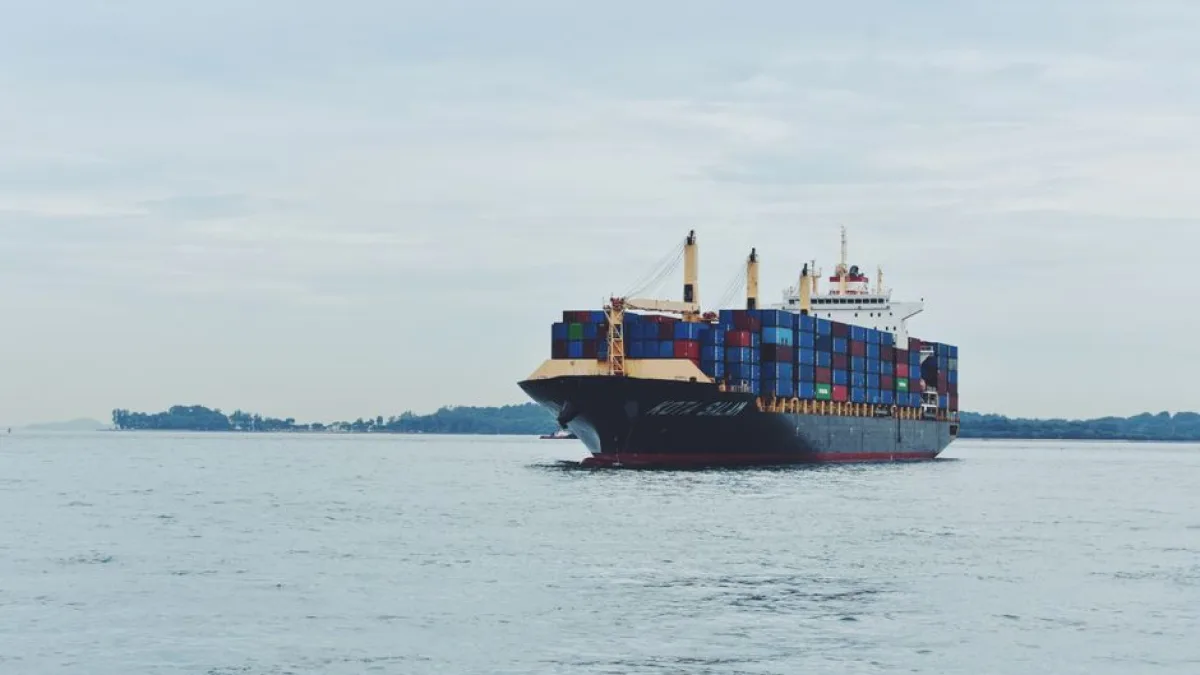
Providing clients with instant access to shipment locations builds unparalleled trust in your logistics brand. Modern tracking tools convert complex logistics data into transparent updates, ensuring your customers feel informed and confident regarding their sensitive freight throughout the entire journey.
- Provide live tracking: Offering clients an integrated portal for monitoring their shipments builds trust and transparency, reducing the volume of status inquiries your team must handle every day.
- Proactive issue resolution: Early visibility allows your operations team to identify potential bottlenecks before they become major disruptions, enabling you to take corrective action before clients are affected.
- Improve customer retention: Clients are more likely to return to a service provider that offers clear, reliable data, effectively turning your tracking capabilities into a powerful marketing tool.
- Analyze transit performance: Historical tracking data helps you evaluate carrier performance over time, giving you the insights needed to negotiate better rates and improve your overall reliability.
Transparency has become the gold standard in the logistics industry today. When you provide accurate, real time status updates, you empower your customers to manage their inventory more effectively. This level of service differentiates your company from competitors who still rely on opaque communication methods. Investing in visibility tools is a smart move that yields measurable benefits in customer satisfaction and loyalty.
Streamlining Financial Management

Managing cash flow and invoicing is a critical component of maintaining a healthy freight forwarding business. Cloud platforms provide the tools necessary to automate billing cycles, ensuring that your company maintains a steady revenue stream without the stress of administration.
- Automate invoice generation: Generating invoices immediately upon shipment completion ensures that your payment cycles remain short, significantly improving your company cash flow and reducing the time spent on accounting.
- Standardize cost structures: Centralized financial tools help you maintain consistent pricing across different routes, preventing revenue leakage that often happens with manual calculations and fragmented cost management processes.
- Reduce payment delays: Integrated billing systems make it easy for customers to pay via digital portals, which speeds up the collection process and minimizes the risk of outstanding debts.
- Detailed financial reporting: Access to comprehensive financial dashboards allows your management team to track profitability per shipment, enabling data driven decisions that optimize your pricing strategy and growth.
Financial health determines your ability to invest in new services and expand your market reach. By automating the transition from shipment to cash, you remove the common headaches associated with outdated billing practices. A robust, cloud based accounting setup ensures your team stays organized and compliant at all times. Taking control of your financial data is essential for long term operational success.
Optimizing Vendor Collaboration

Building strong relationships with carriers and vendors is vital for securing competitive rates and reliable capacity. When you use digital tools to manage these partnerships, communication becomes clear, fast, and highly effective for all parties involved in the chain.
- Streamline partner communication: Centralizing conversations within a dedicated logistics platform ensures that no detail is lost, facilitating faster responses and more efficient coordination with your various transport providers.
- Secure better rates: Maintaining organized records of your vendor interactions allows you to leverage your shipment volume during negotiations, ensuring you always get the most competitive freight quotes.
- Manage compliance easily: Digital document storage ensures that all vendor contracts and certifications are kept up to date, reducing the risk of working with non compliant transport providers.
- Strengthen long-term bonds: Proactive communication tools help you maintain positive working relationships with your core carrier network, which is crucial during peak seasons when capacity becomes extremely tight.
Success in logistics relies heavily on your ability to coordinate with a vast network of external partners. A unified platform simplifies this interaction, turning complex collaborations into simple digital tasks. By reducing friction with your vendors, you ensure that your cargo moves as efficiently as possible. Strong partnerships, supported by smart technology, provide the stability needed to thrive in a volatile global market.
Conclusion
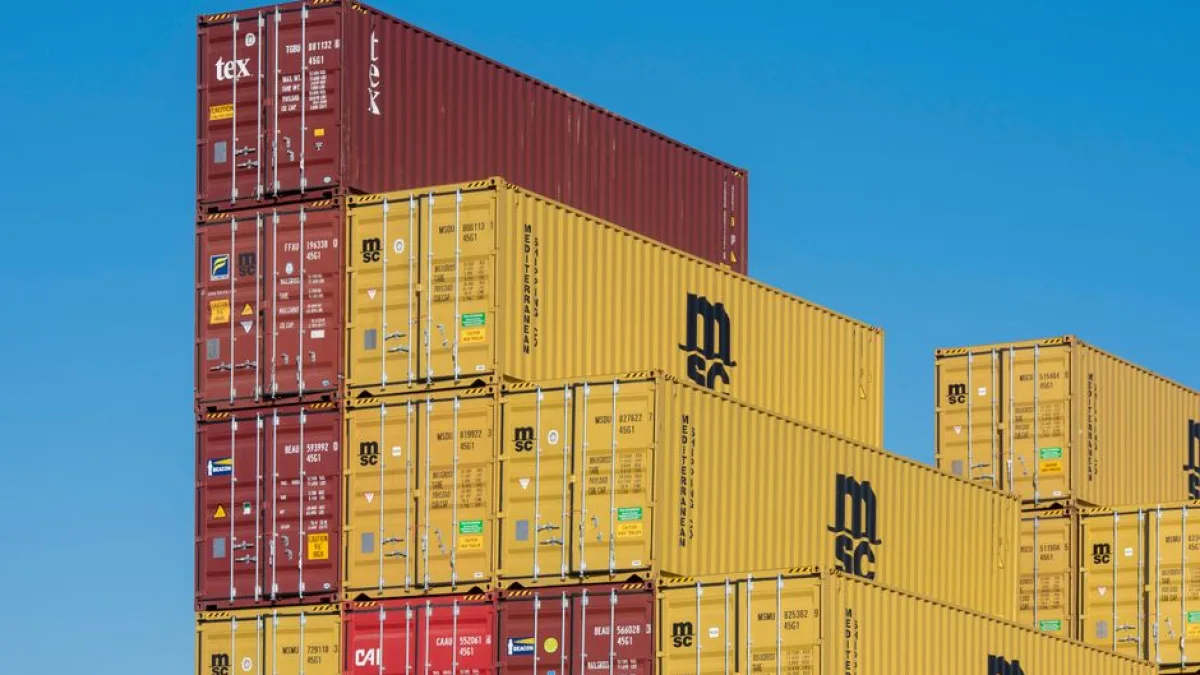
Modernizing your freight forwarding business requires a blend of smart technology and strategic process improvements. By embracing digital automation, enhancing visibility, streamlining finances, and strengthening vendor relationships, you position your firm for sustainable success. Utilize these best practices to overcome common industry challenges and provide exceptional service to your clients. Start optimizing your operations with MakeCargo today to stay ahead in this dynamic industry.