Optimizing Logistics Through Advanced Freight Software Integrations
Tuesday, September 15 2026

The modern logistics landscape demands unprecedented levels of connectivity and speed to remain competitive in a volatile global market. Freight forwarders often struggle with fragmented legacy systems that impede real-time visibility and operational efficiency. By adopting cloud-based platforms like MakeCargo, businesses can bridge these gaps through robust integrations that unify data silos and automate manual workflows. This transition empowers teams to focus on high-value client interactions while the software handles complex documentation and tracking processes. Embracing digital transformation is no longer a luxury but a strategic necessity for forwarders aiming to scale their operations and meet modern customer expectations.
Centralizing Data Streams

Modern freight forwarding relies on the seamless flow of information between disparate platforms. Centralizing these data streams into a single source of truth eliminates manual errors, improves communication accuracy, and ensures that every stakeholder has access to identical, up-to-date shipment details.
- Unified Data Architecture: Connecting your core freight platform with accounting and ERP tools ensures that financial information remains accurate and consistent across all departments without requiring repetitive manual data entry.
- Automated Information Flow: Modern API integrations allow your software to communicate directly with carrier portals, providing instant status updates that save staff hours of manual follow-up work every week.
- Single Sign-On Systems: Simplifying access for your team by integrating security protocols reduces administrative overhead and minimizes the risk of unauthorized access to sensitive client shipping data and documents.
- Real-time Reporting Tools: Aggregated data allows management to generate comprehensive performance analytics instantly, facilitating data-driven decision making that directly improves the overall bottom line of your freight business.
Integrating your operational tools into one cohesive ecosystem dramatically reduces the time spent switching between multiple tabs and applications. By fostering an environment where information moves automatically, your team can eliminate bottlenecks and focus on proactive problem solving. This level of connectivity transforms the way you manage cargo, turning scattered information into a powerful engine for growth and improved service delivery for your clients.
Automating Documentation Processes

Processing shipping documents manually consumes vast amounts of valuable time and increases the likelihood of human error. Digital integration allows for the automated generation and validation of essential paperwork, ensuring compliance while speeding up the entire export and import process.
- Electronic Bill Generation: Automated systems create precise bills of lading and invoices instantly by pulling data from shipment records, ensuring that documentation is always accurate and ready for client review.
- Instant Compliance Validation: Integrated software checks your documents against current international trade regulations automatically, helping to prevent costly delays at customs and ensuring seamless cross-border shipping for your cargo.
- Cloud Document Storage: Secure, centralized cloud storage allows your team to retrieve any historical document in seconds, providing a professional experience for clients while maintaining perfect organizational records.
- Customizable Template Engines: Using intelligent templates for common documents reduces drafting time significantly, allowing your operations staff to standardize outputs while meeting specific client requirements with minimal effort or revision.
Reducing the manual burden of paperwork enables your logistics experts to pivot toward strategic account management. By automating repetitive tasks, you minimize the risk of missing critical filing deadlines or making costly typos in shipment records. As document processes become smoother, the entire workflow becomes more resilient, allowing your forwarding business to handle higher volumes of freight without expanding your workforce significantly.
Enhancing Carrier Connectivity
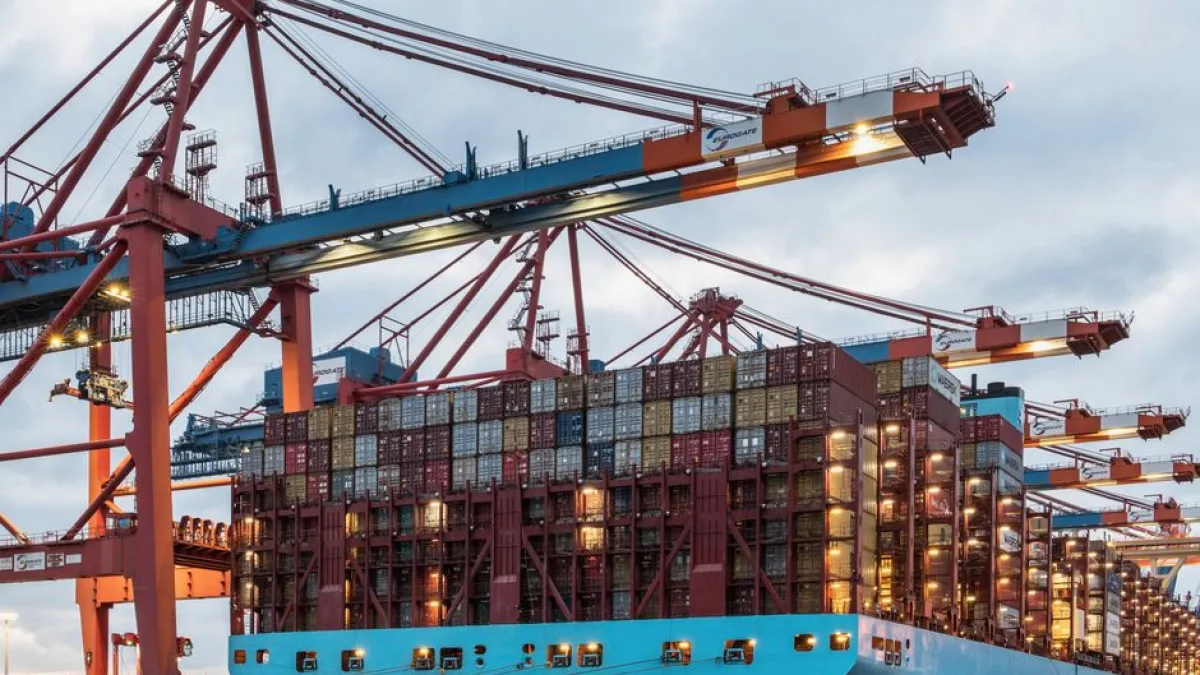
Connecting directly with carrier systems provides a competitive advantage through superior tracking capabilities. When your software communicates with ocean and air carriers in real time, you offer your customers a level of transparency that differentiates your brand in the market.
- Dynamic Tracking Updates: Direct API connections provide live location data for every shipment, allowing you to proactively manage client expectations before a delay becomes a major service issue.
- Instant Carrier Booking: Integrating booking portals directly into your platform enables staff to secure space on vessels or flights instantly, maximizing throughput and reducing time spent on administrative tasks.
- Automated Cost Management: Synchronizing your software with carrier rate sheets ensures that your quotes are always current, protecting your margins against sudden market price fluctuations or hidden surcharges.
- Exception Management Alerts: Sophisticated systems automatically flag delays or route changes, empowering your dispatchers to intervene quickly and provide solutions to clients well before they even notice a problem.
Better carrier connectivity is the backbone of modern freight forwarding excellence. By eliminating the reliance on static email updates and manual phone calls, your team achieves higher reliability in your scheduling and pricing. This integrated approach ensures that you always provide accurate quotes and timely transit information, which ultimately drives higher client retention and builds a reputation for reliability in a crowded industry.
Scaling Through Cloud Infrastructure

Cloud infrastructure provides the flexibility required to grow your logistics business without the constraints of traditional on-premise servers. Leveraging scalable software ensures your tools evolve alongside your operational needs, supporting expansion into new regions and service lines effortlessly.
- Global System Accessibility: Remote access through the cloud allows your team to collaborate from any location worldwide, ensuring continuous operations and support for clients in different time zones.
- Seamless Software Updates: Platform enhancements and security patches are deployed automatically by your software provider, meaning your team always has the latest tools without undergoing complex system migrations.
- Data Backup Security: Automated cloud backups protect your essential business information against local hardware failure or cyber threats, ensuring that your operations remain stable and secure at all times.
- Scalable Storage Capacity: Cloud platforms adapt to your growing data needs, allowing you to expand your operations without needing to invest in expensive physical infrastructure or maintenance personnel.
Transitioning to a cloud-based infrastructure provides the agility necessary to handle unexpected market shifts or business expansion opportunities. With a platform that grows alongside your operations, you avoid the common pitfalls of hardware limitations and software obsolescence. Your investment in cloud technology ensures that you remain focused on delivering superior logistics services while your systems provide a stable and secure foundation for success.
Conclusion

Technology integrations are no longer optional for forwarders aiming for long-term success. By centralizing data, automating documentation, improving carrier connectivity, and utilizing cloud infrastructure, you create a robust foundation that supports scalable growth and operational excellence. MakeCargo provides the tools necessary to bridge these gaps, helping you navigate the complexities of modern logistics with ease. Start your digital transformation journey today and experience the difference.